
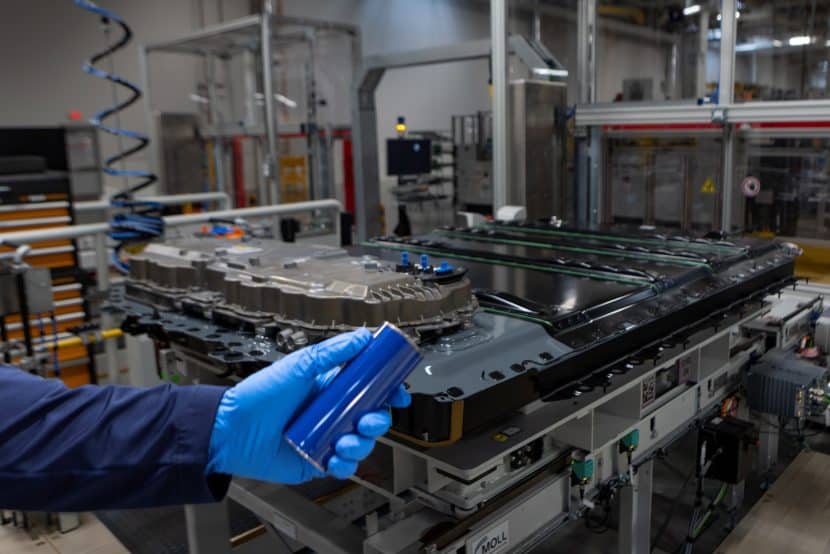


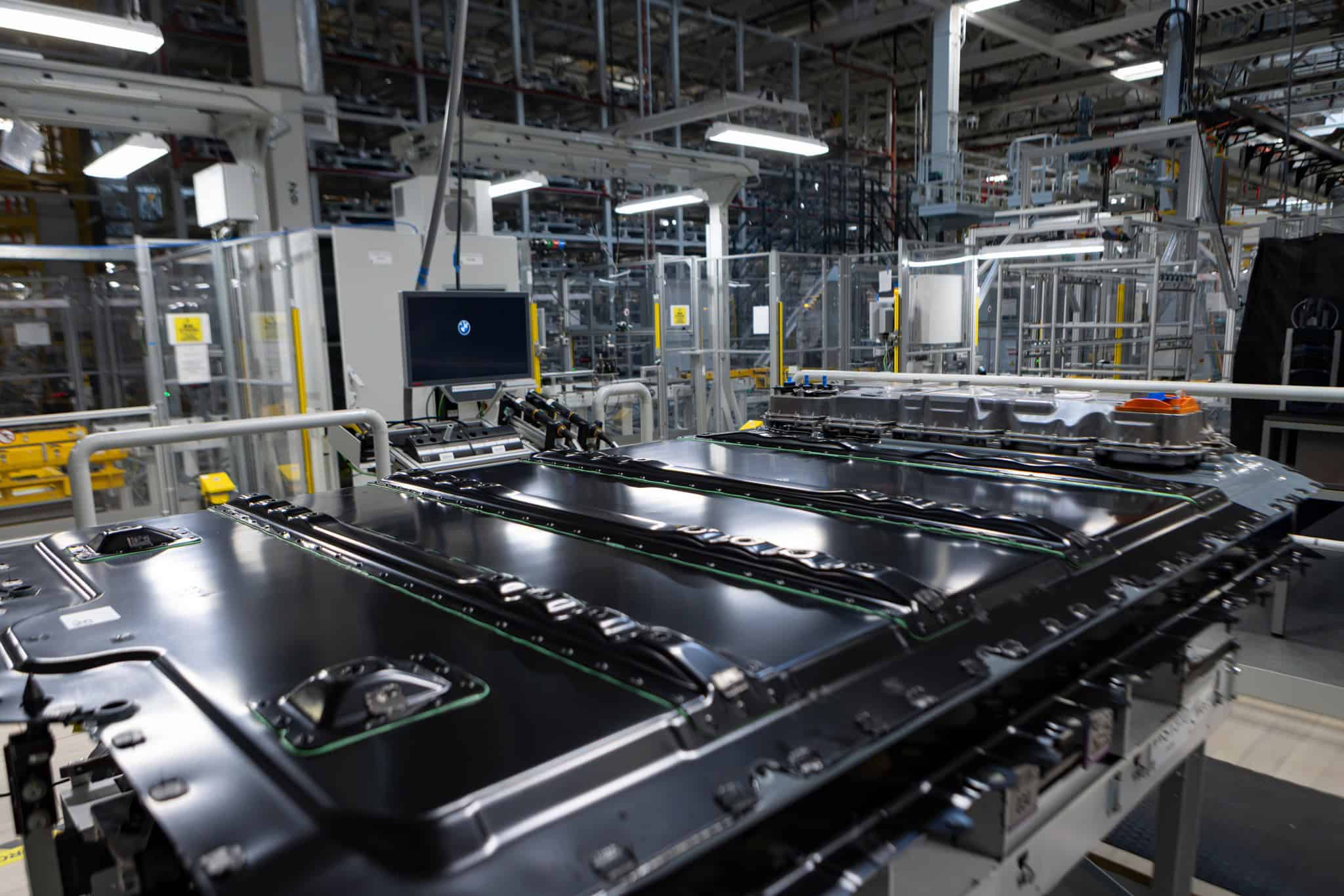
The largest battery pack BMW has ever built will start rolling off the assembly line in December at a brand-new facility in Woodruff, South Carolina. That 141 kWh pack (144 kWh by U.S. measurement standards) is destined for the iX5, the first fully electric version of BMW’s bestselling SUV.
Plant Woodruff sits just a few miles from BMW’s Spartanburg assembly plant, where every X5 has been built for decades. The battery facility went from breaking ground to pre-production in roughly two years, with series production now slated to begin less than three years after construction started. Over 300 employees and 250 robots will handle final pack assembly, with BMW touting automated quality control and what it calls “zero-defect battery production.
Pre-production batteries have been coming together for about a year already. The December milestone marks the shift to packs bound for customer vehicles, with iX5 deliveries expected to begin early in 2027.
The iX5 60 xDrive will be the only electric variant at launch. BMW estimates 435 miles of EPA-rated range, a figure that jumps to 525 miles under Europe’s more generous WLTP cycle. A long-wheelbase version unveiled in China claims 621 miles on the CLTC standard, which is generous enough to make any range figure look heroic.
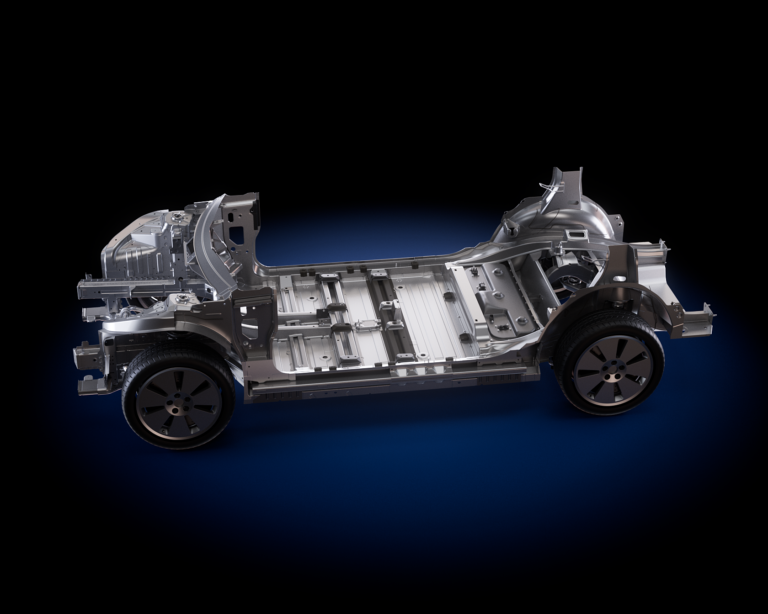
Those numbers come from BMW’s Gen6 battery architecture, which uses tall cylindrical cells measuring 120 mm in height, integrated directly into the pack structure. The iX3, by comparison, uses shorter 95 mm cells, and BMW has already confirmed the bigger iX5 pack won’t be shoehorned into its smaller sibling. Different packaging, different platforms.
But the Woodruff plant isn’t a one-model operation. BMW has committed to building batteries for at least six electric X models in South Carolina by 2030. The company hasn’t named them all, but an iX7 in 2027 and an iX6 in 2028 seem like safe bets.
M Performance and full M variants of the X5 and X6 could account for several more slots. An iX4 is less likely to land in South Carolina, since the coupe-like crossover would logically follow the iX3 to BMW’s Debrecen plant in Hungary.
The combustion-powered G65 X5 arrives first. BMW has already opened configurators in multiple markets for the six-cylinder 40 xDrive and 40d xDrive, both entering production in August. Customers who want the electric version will need patience and, presumably, a larger budget.
Beyond the launch model, BMW is expected to add a more affordable iX5 50 xDrive and a hotter iX5 M70, both likely arriving sometime in 2027. A full X5 M with electric power could follow in 2028, though BMW hasn’t confirmed that timeline.
The real bet here is Woodruff itself. BMW is wagering that vertically integrating battery production just miles from final vehicle assembly gives it a cost and quality advantage that shipping packs from overseas never could. Six electric SUV models through a single new facility by decade’s end is an aggressive throughput target for a plant that hasn’t yet assembled its first production unit.
The combustion X5 has been Spartanburg’s anchor product for nearly three decades. Whether its electric successor can carry that same weight depends on what starts happening inside Plant Woodruff come December.
Share this Story