
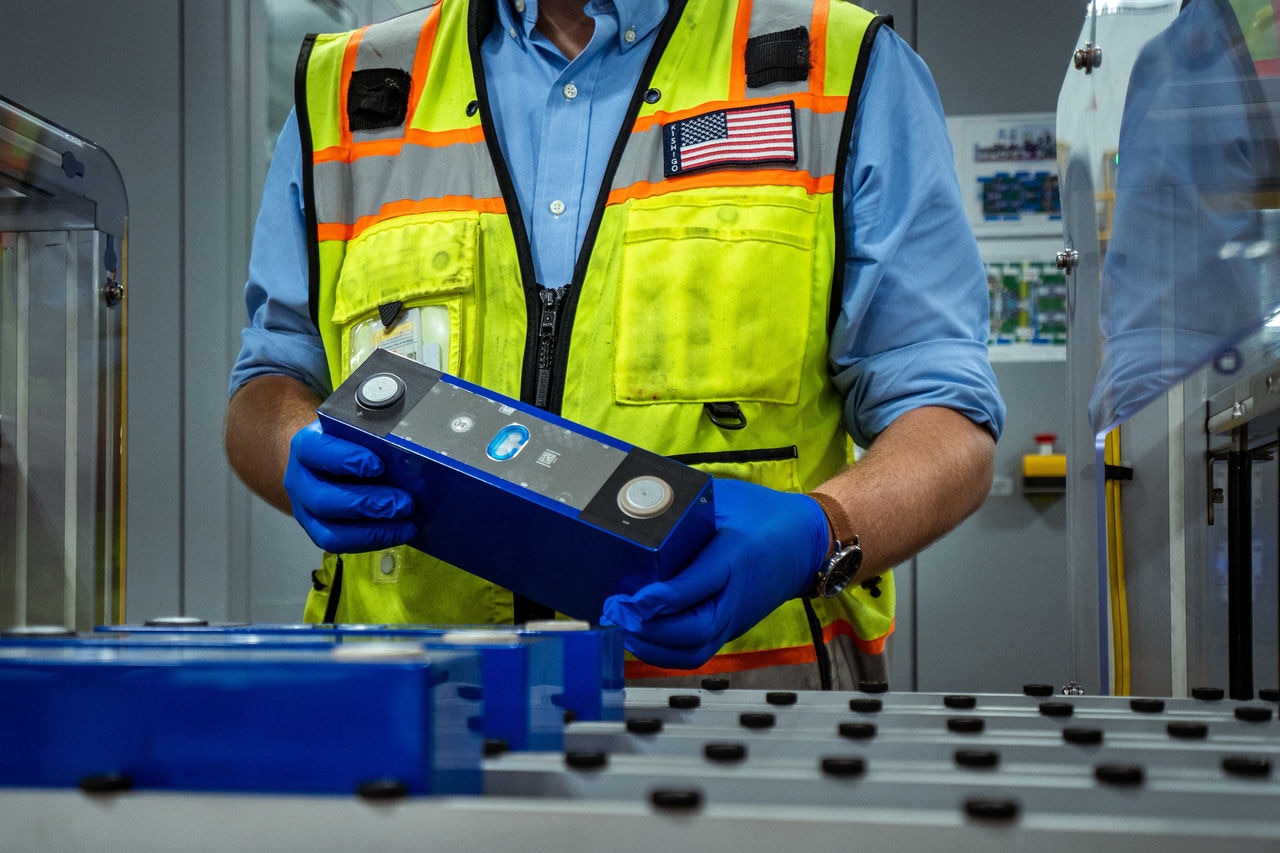


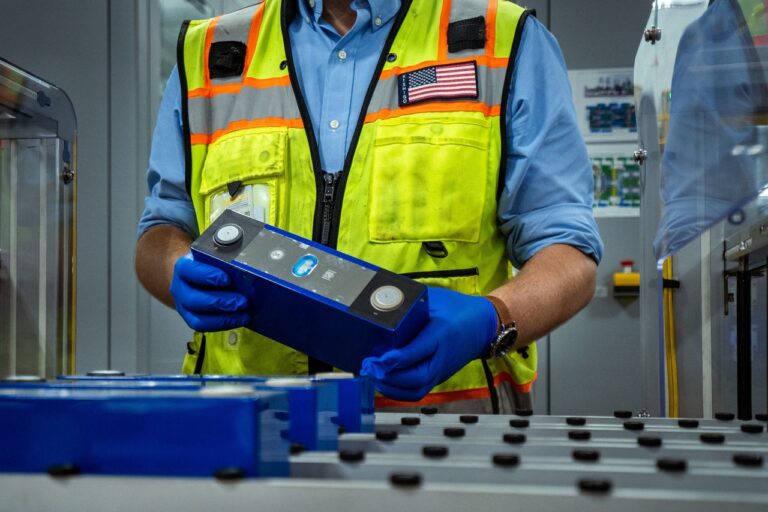
Ford has shipped its first lithium iron phosphate prismatic cells out of BlueOval Battery Park Michigan. They aren’t headed to dealer lots yet. They’re powering prototypes of the Fathom, Ford’s upcoming midsize electric truck.
That detail matters more than it sounds. LFP chemistry is cheaper and more durable than the nickel-heavy cells most American EVs have relied on. Building those cells in Michigan rather than importing them shows Ford intends to own more of its supply chain.
The truck itself is already taking physical shape. Ford has produced more than 5,000 aluminum unicastings for the Fathom at its Shelbyville Technical Center. Unicasting replaces dozens of stamped and welded parts with a single large piece, a technique Tesla made famous and legacy automakers have been racing to match.
Ford isn’t stopping at cars. Its new Ford Energy division is preparing the company’s Kentucky gigafactory to assemble battery energy storage systems, with production targeted for late 2027. That’s stationary storage, the kind of hardware utilities and businesses use to bank power for later.
The move has already drawn attention outside the auto world. Ford Energy earned a spot on the TIME100 Climate list. For a company best known for F-150s, that’s an unusual crowd to be in.
Ford has also been tracking five years of battery health data from the first Mustang Mach-E owners, the Class of 2021. It hasn’t yet attached hard degradation numbers to that story. Those figures will be worth watching, because long-term battery health remains one of the biggest worries for used-EV buyers.
Taken together, the pieces point in one direction. Ford wants to be more than a company that buys batteries and bolts them into trucks. It wants to make the cells, cast the structures, and sell the stored energy too.
Share this Story