


BMW spent the better part of a decade bolting new nameplates onto its portfolio like a collector who ran out of wall space. Now the company is quietly admitting what showroom traffic has been saying for years: there are too many models fighting for the same buyers.
Reports surfaced last week that BMW is actively planning to trim its future lineup. No specific nameplates were confirmed, but the signal was clear enough to start the conversation about which badges deserve to survive and which ones were always borrowed time wearing a kidney grille.
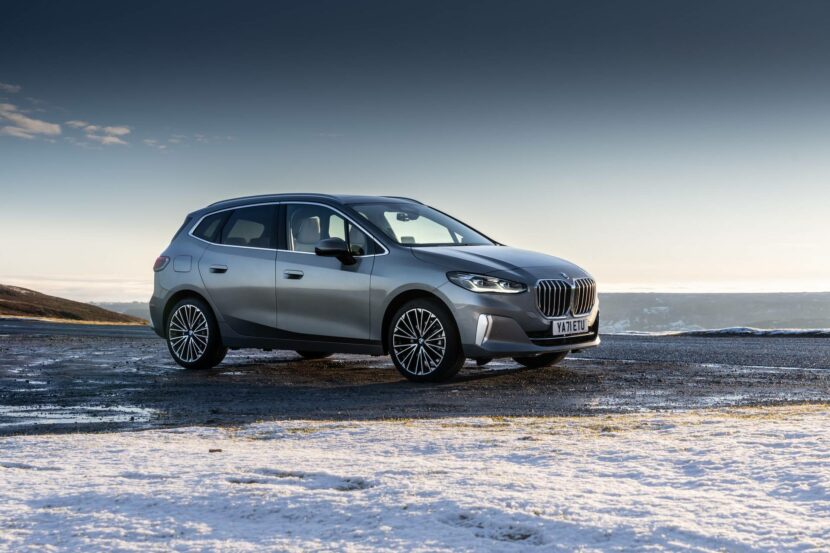
The 2 Series Active Tourer sits at the top of any honest cut list. It is a front-wheel-drive minivan sharing its UKL platform with the Mini Countryman, sold primarily in Europe, and it exists because BMW wanted volume in a segment its traditional rear-drive architecture could never reach. The business logic checks out. The brand logic does not.
A tall, transverse-engined people-mover can be a perfectly fine vehicle, but calling it a BMW requires you to ignore everything the company has spent a century telling you BMW means.
The 2 Series Gran Coupe is a trickier case because the original pitch made sense. An affordable, front-wheel-drive four-door built on the same platform as the 1 Series was supposed to hook younger buyers into the brand at a lower price point. What it delivered was a car with proportions that split the difference between hatchback and sedan and landed on neither. Every corner reminds your hands that the front axle is doing double duty.
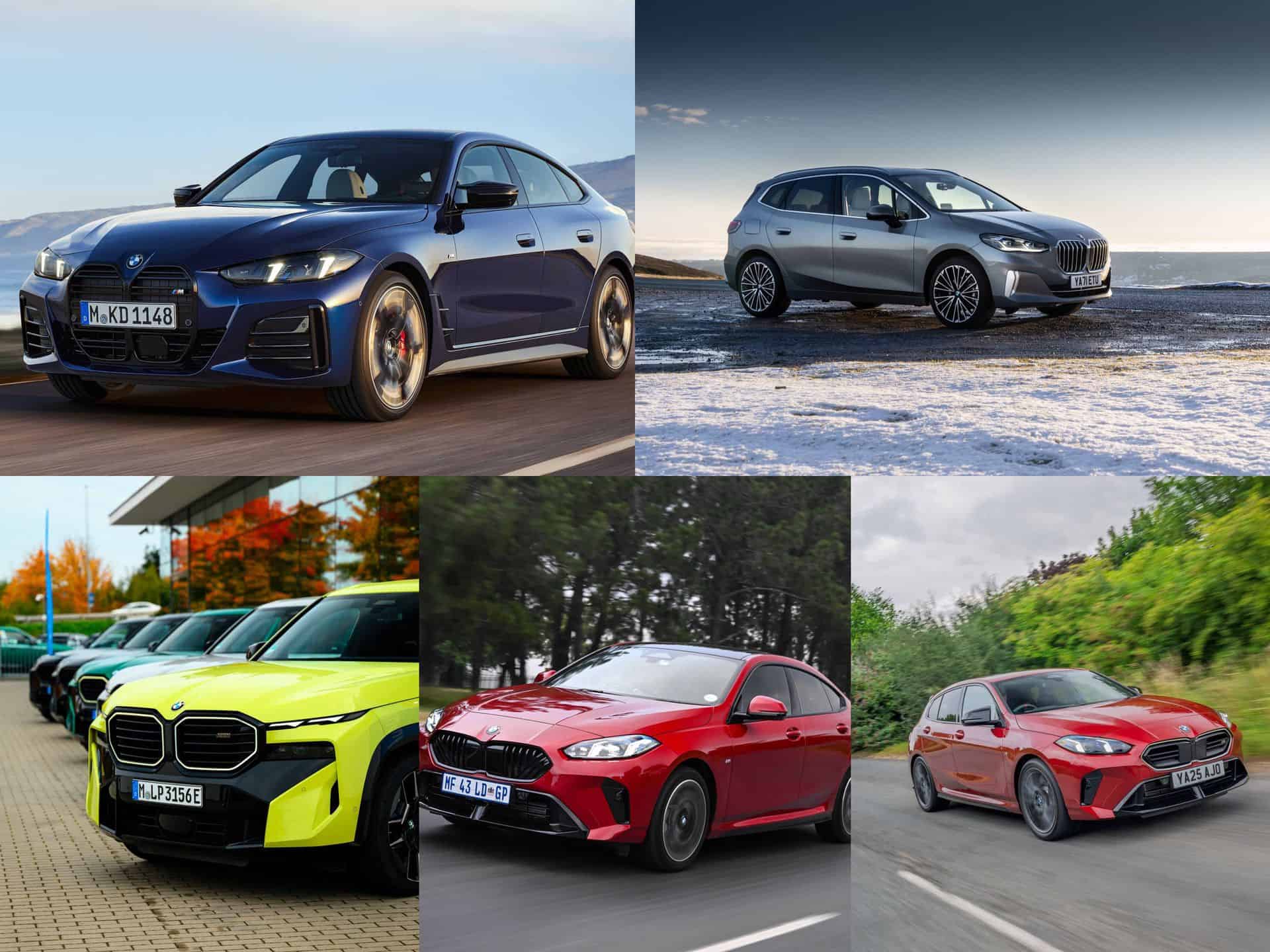
Then there is the XM, the model that should have been a home run. A standalone M-branded SUV with hybrid power and a design that actually took risks had real ambition behind it. But the execution stumbled where it mattered most.
Pricing climbed into Urus and DBX territory without delivering the differentiated ownership experience those buyers expect. The cabin felt too close to an X5 M for the premium charged. No full panoramic roof on a six-figure flagship SUV is the kind of oversight that tells you the product planning team ran out of budget before they ran out of price tag.
The 4 Series Gran Coupe faces a different problem entirely. It is not a bad car. It is a redundant one. The i3 sedan now covers the four-door sporty-practical space that the Gran Coupe used to own, and funding two nameplates chasing the same customer is exactly the kind of lineup sprawl BMW says it wants to fix.
Let the 4 Series be a coupe and a convertible. Let it stay focused on driving dynamics instead of stretching into back-seat utility it was never designed to deliver.
The 1 Series is a different conversation. Killing BMW’s compact hatchback entirely would be foolish. But keeping it on a front-wheel-drive platform is the same kind of brand erosion that got the Active Tourer and Gran Coupe onto this list in the first place. BMW proved with the first two generations of the 1 Series that a small, rear-drive hatchback could actually feel like a proper driver’s car.
What connects all of these models is a pattern. Each one exists because a spreadsheet justified it, not because the brand demanded it. BMW’s lineup grew because platform sharing made it cheap to add variants, and nobody in Munich wanted to leave a segment uncovered. The cost of that strategy was never financial. It was dilution.
The trim has not started yet. But the fact that BMW is talking about it publicly suggests the internal conversations have already moved past “if” and into “which ones.


Share this Story