
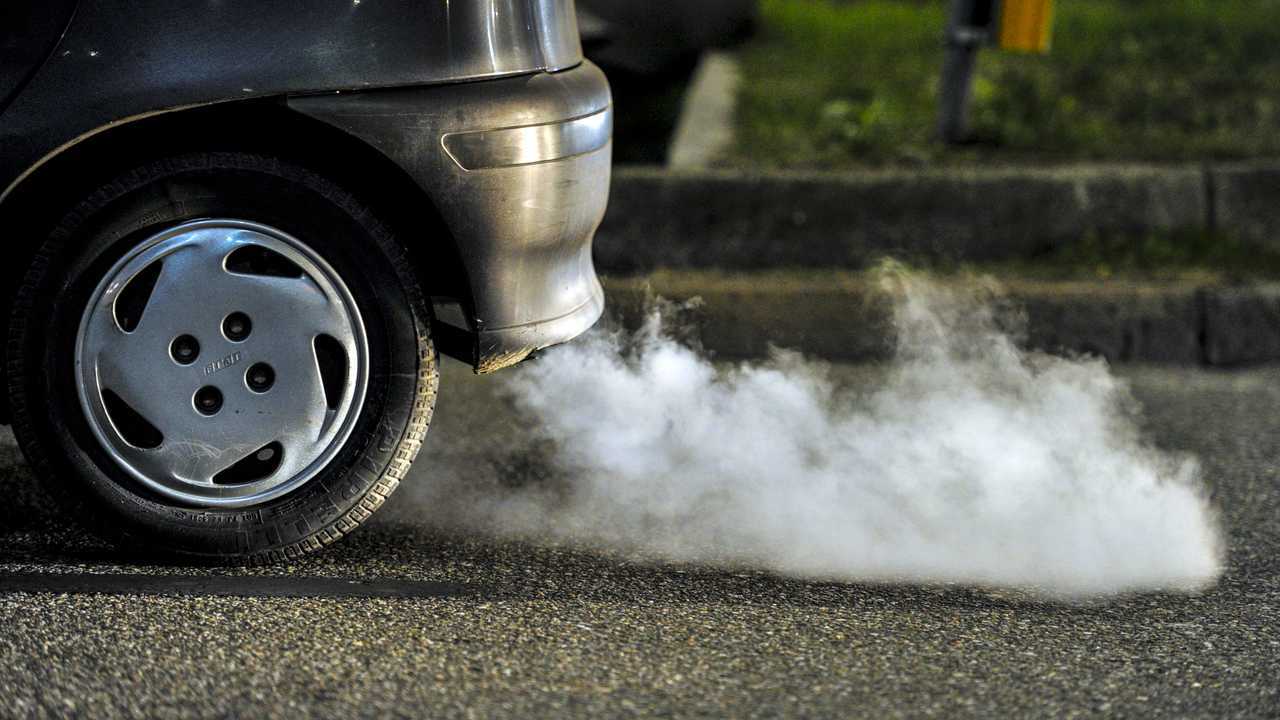


Forty-eight votes. That is what it took on November 4 for the European Parliament’s Environment Committee to put a dent in the European Union’s 2035 combustion-engine phaseout.
The tally was 48 in favor, 30 against, with two abstentions. The text they backed would let gasoline-powered cars stay on sale past 2035, in reduced numbers.
Under the rules already on the books, the 2035 target for new passenger cars is a 100 percent cut in CO2 versus 2021 levels. The committee wants 87.5 percent.
That number makes for an easy story about Brussels blinking. The fine print tells a more complicated one.
Automakers could cover part of the remaining gap with credits for using low-carbon steel made inside the EU. Those credits are capped at 7.5 percent of the reference target, which drags the effective figure for cars back toward 95 percent.
So the door to combustion is open. It is open about a crack.
The steel credit is the quieter shift, and arguably the bigger one. The original 2035 framework judged a car only by what came out of its tailpipe, while this version starts counting what went into the body.
Steel production is one of the largest sources of embedded emissions in a vehicle’s supply chain. Rewarding EU-made low-carbon steel hands manufacturers a second lever. It also hands European steelmakers a customer base with a regulatory reason to pay up.
The near term is tighter still. From the moment the rules take effect until the end of 2034, steel credits are limited to just 3 percent of specific targets for cars and vans.
Vans are where the committee really loosened its grip.
Current law requires a 50 percent emissions cut for vans by 2030. The European Commission had already proposed easing that to 40 percent, and the committee went lower, to 35 percent.
By 2035, the committee would drop the van target from 100 percent to 80 percent, with the same steel credit mechanism and the same 7.5 percent cap. Even at full credit, that leaves vans well short of where cars land.
Commercial buyers have been slower to embrace electric vans than regulators hoped. The committee’s numbers read like an admission of the gap between policy and the loading dock.
The industry never spoke with one voice on the ban. Automakers split when the EU first moved to cancel it outright, and the pressure has not let up.
Volkswagen Group faces a potential $1.7 billion fine for missing emissions targets. Toyota is lobbying for some hybrids to be classified as zero emissions.
None of this is law yet.
The committee vote sets Parliament’s negotiating mandate, and that mandate still needs approval from the full Parliament. That vote is expected in December 2026.
Only after that can talks begin with EU governments in the Council. Any deal still has to clear the remaining legislative steps.
Until then, the existing rules stand exactly as written. The 100 percent targets for cars and vans remain in force, and every product planner in Europe is still building toward them.
Thirty committee members voted no. December will show how many of their colleagues in the full chamber agree with them.

Share this Story