


In August, court-ordered bailiffs walked into BYD offices in Schiedam and Hoofddorp and left with digital records. Jaguar Land Rover had asked for them.
According to The Times and The Guardian, the British company’s suspicion is blunt. JLR reportedly believes BYD bought a Defender, took it apart, and used what it learned to build the Ti7.
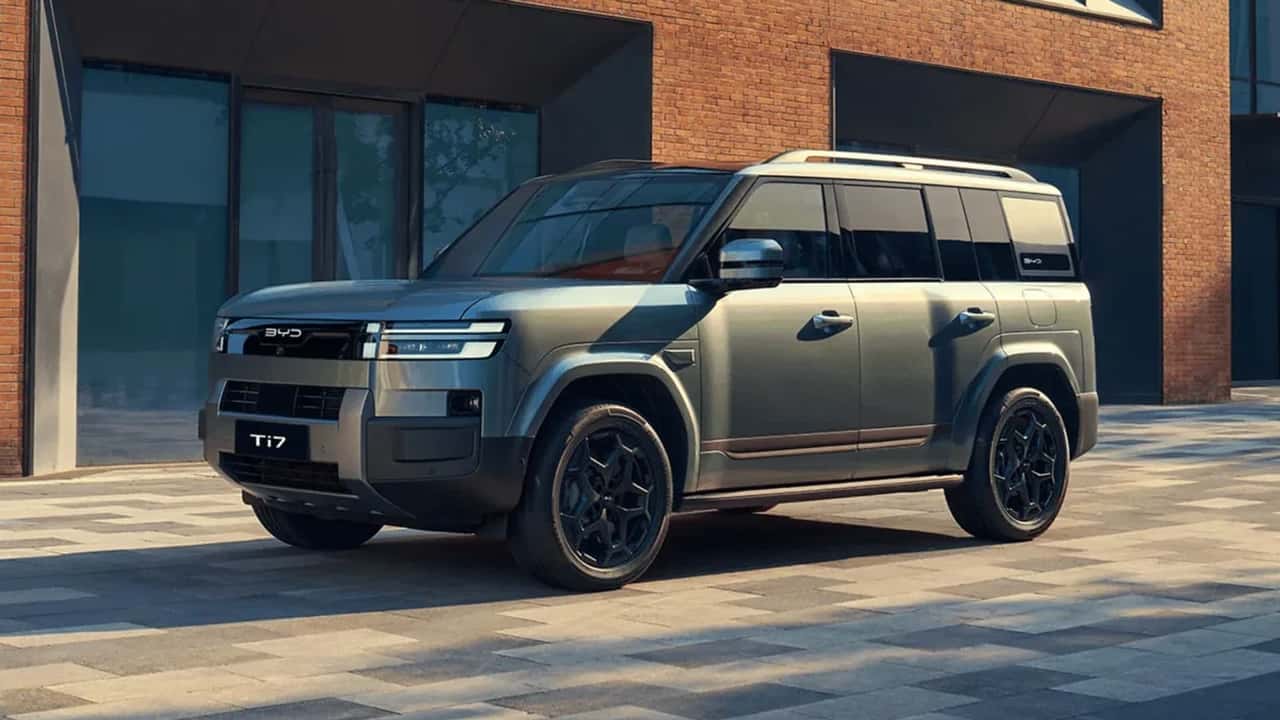
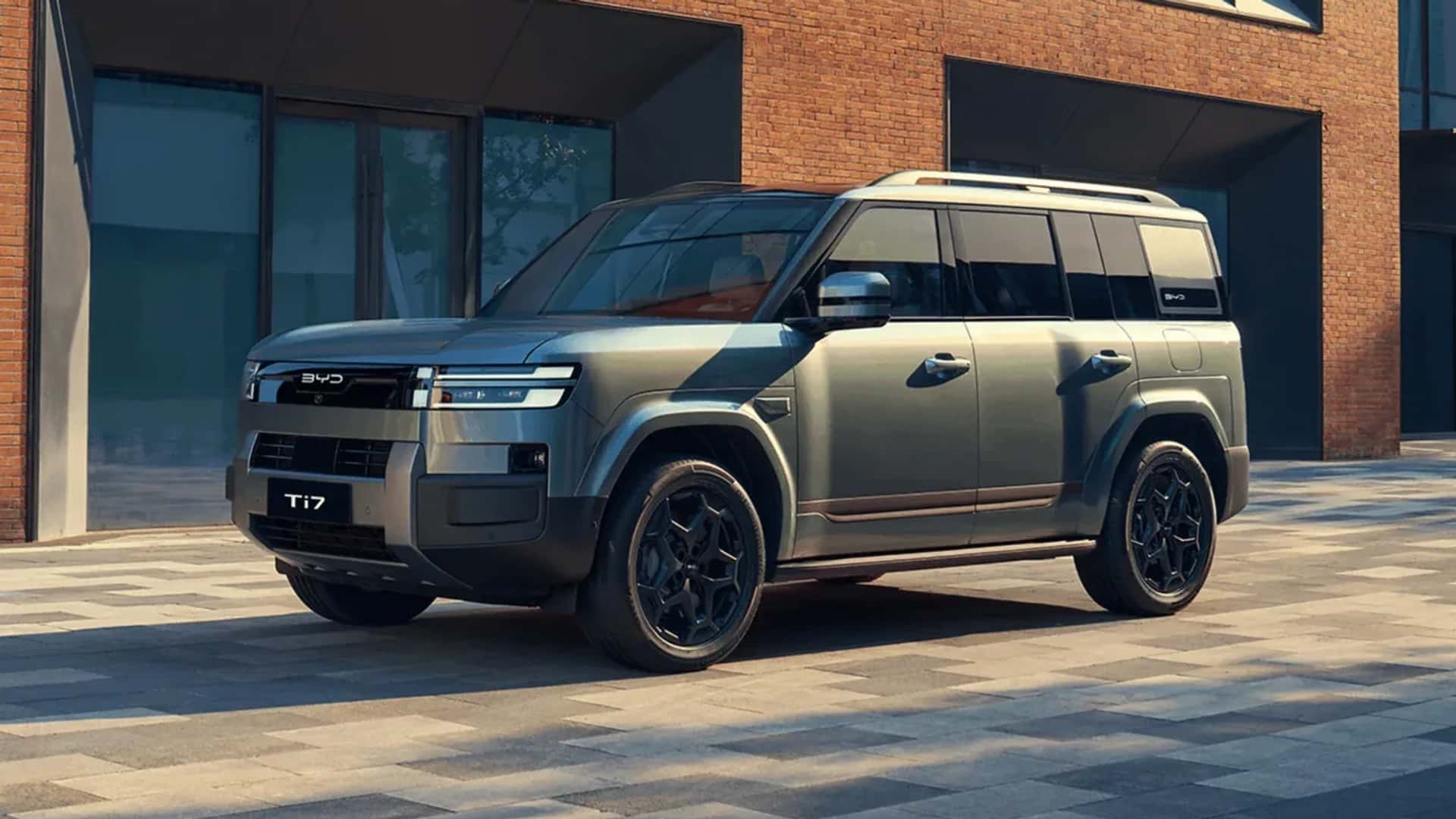
The Ti7 is a square-shouldered, upright seven-seat plug-in hybrid SUV, sold in China as the Fangchengbao Ti7 since September 2025. Plenty of people have already called it a Chinese Defender. JLR’s lawyers seem less interested in the silhouette than in what sits underneath it.
British media report that the case centres on alleged reverse-engineering of Defender technology, not just exterior styling. That distinction matters.
Resemblance is an argument about taste. Reverse-engineering is an argument about property.
BYD’s legal team called the seizure a “fishing expedition” and argued that far too many files were taken. JLR’s advisers countered that BYD obstructed the process. JLR says the raid was meant to secure records before they could be destroyed.
The two sides meet in The Hague, where a preliminary ruling is expected on November 11. It should establish whether BYD has a case to answer on intellectual property infringement.
JLR’s official line is “JLR does not comment on ongoing legal proceedings.” BYD has said nothing at all.
Now look at the calendar and the price list. The Ti7 is due in UK showrooms in January at £47,995.
A seven-seat Defender 110 starts at £68,465. That is a gap of more than £20,000 for a vehicle of similar size, though with a different powertrain and different engineering underneath.
The Defender is no side project for JLR. It is one of the company’s most recognisable nameplates and a major earner. A cheaper boxy seven-seater landing in its home market is a real threat.
JLR has fought this kind of battle before and won. In 2019, after a three-year dispute, it beat Jiangling Motor Corporation over a car accused of copying the Range Rover Evoque.
But JLR’s relationship with China has never been purely hostile. It has run a long joint venture with Chery, a partnership that eventually revived the Freelander name as an electric vehicle brand.
Chery, meanwhile, sells the Jaecoo 7. British buyers have nicknamed it the “Temu Range Rover” for its resemblance to JLR’s luxury SUVs. The car sits outside the joint venture.
It is also winning. In October the Jaecoo 7 was the UK’s best-selling car with 3,412 registrations, its second straight month at the top and its third this year.
Year to date, it has logged 42,885 registrations. Only one model in Britain has sold more.
So JLR is in a Dutch courtroom chasing one Chinese brand over a Defender lookalike while its own Chinese partner’s Range Rover lookalike outsells everything on British roads. The legal fight targets a car that has not yet arrived. The commercial one is already being lost on forecourts.
BYD keeps pushing across Europe with better cars priced to undercut the incumbents. The Ti7 is simply the next one off the boat.
On November 11, The Hague will decide whether JLR has enough to keep pulling the thread. The Ti7’s January launch date has not moved.


Share this Story