
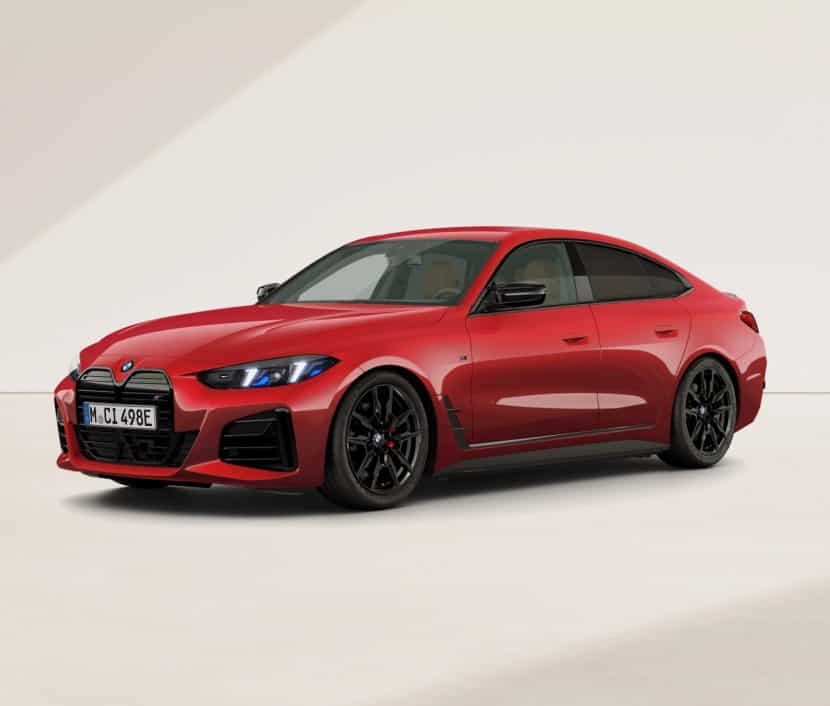


BMW moved 102,713 vehicles in the United States during the second quarter of 2026, a 13 percent jump over the same period last year and the brand’s strongest three months so far this year. The gain outpaced the broader American market for a third consecutive quarter. On paper, it’s a clean win.
Dig into the numbers and the picture splits in two.
Light trucks carried the load at 55,084 units, up 13.2 percent, while passenger cars posted a surprisingly strong 12.8 percent gain to 47,629 units. That car number matters because year-to-date, BMW’s sedan and coupe sales are still down 2.5 percent. The entire swing happened in Q2 alone, not as part of some steady climb, but as a sharp correction driven by improved inventory and a product mix that finally aligned with demand.
The electrified story is less flattering. Plug-in hybrids rose 22.9 percent in the quarter, continuing a steady upward trend that puts them 6.4 percent ahead through six months. But bundle PHEVs with battery-electric models and the combined electrified total drops 18.1 percent for Q2.
That’s not a rounding error. It’s a crater, and it tells you exactly where BMW’s EV lineup stands right now: old enough to lose customers, not yet refreshed enough to win them back.
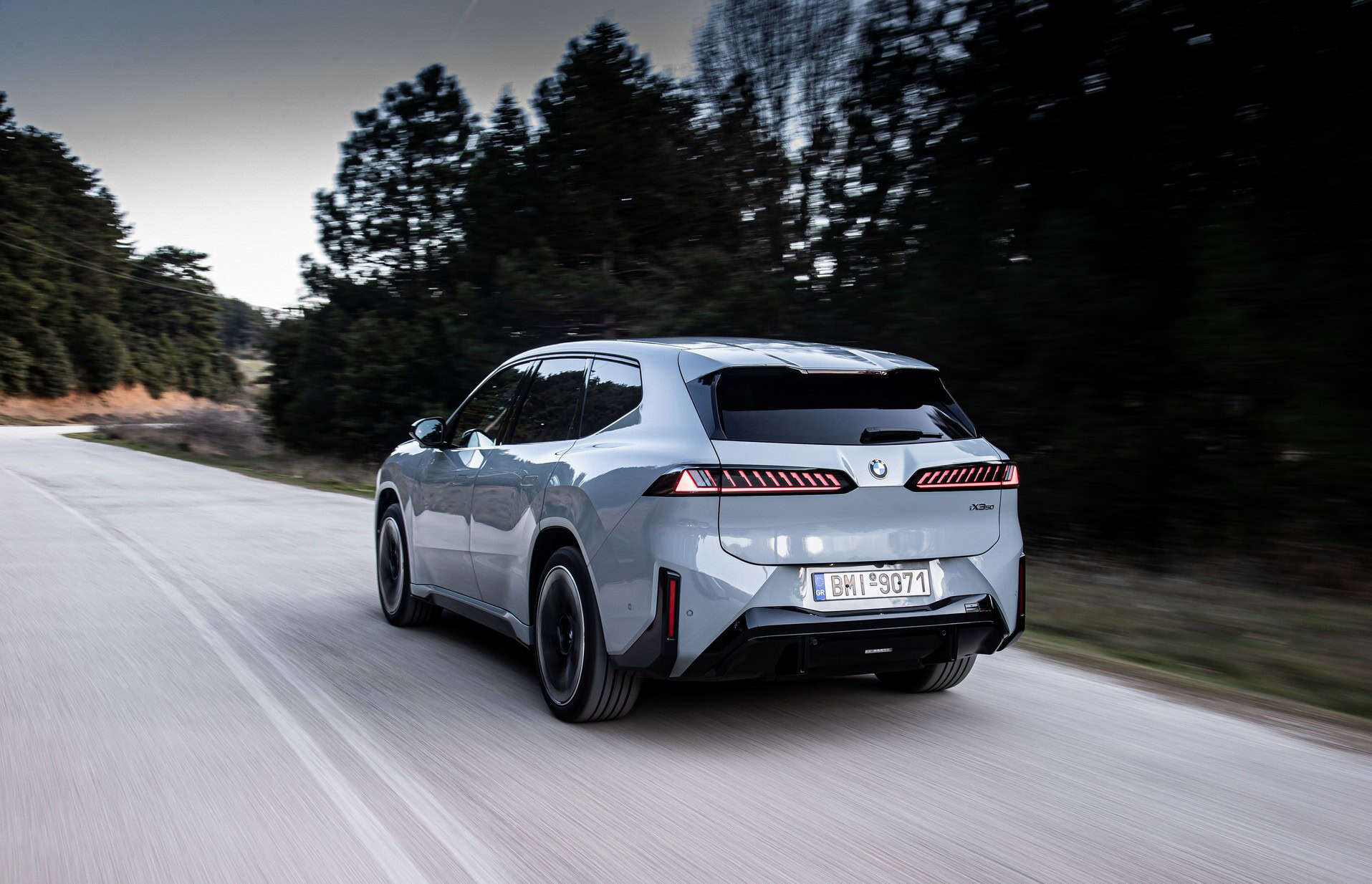
BMW knows this. Sebastian Mackensen, President and CEO of BMW of North America, credited the quarter’s performance to product mix and dealer execution. The company is openly banking on the iX3 and i7 arriving later this quarter to reverse the EV decline.
The all-new X5, unveiled just days ago, fits the same narrative. BMW’s Neue Klasse rollout is a bet on the near future, not a reflection of what’s actually sitting on dealer lots today.
That gap between promise and present is the tension running through these results. A 13 percent overall gain buys time, but it doesn’t erase the fact that BMW’s electrified sales are shrinking in a segment where every competitor is pushing harder. The plug-in hybrid strength is real, but PHEVs are a bridge technology, and bridges only work if you’re actually building something on the other side.
MINI offered no help at all. The brand sold 7,456 vehicles in Q2, down 2.1 percent, and sits at 13,717 through six months, a 6 percent year-to-date decline. BMW of North America’s press release didn’t bother to explain why, didn’t highlight a single MINI model, and didn’t offer a recovery timeline. That silence speaks volumes about where MINI ranks in the company’s American priorities.
The first-half ledger for BMW brand alone shows 186,944 units sold, up 4.7 percent. Trucks are doing the structural work at 103,257 units through six months. Cars are lagging behind at 83,687. The Q2 car surge was welcome but hasn’t yet erased the deficit from a soft first quarter.
BMW is in an unusual position: winning the volume game while losing ground in the category it has spent billions to dominate. The combustion and hybrid side of the business is healthy, the dealer network is executing, and American buyers clearly still want X3s, X5s, and 5 Series sedans. But the EV column is bleeding, and the company’s own messaging admits the fix isn’t here yet.
When the iX3 and refreshed i7 hit showrooms, we’ll find out whether BMW’s patience was strategic discipline or just a long gap it couldn’t close any faster. Until then, the best quarter of 2026 comes with an asterisk the size of a battery pack.

Share this Story