
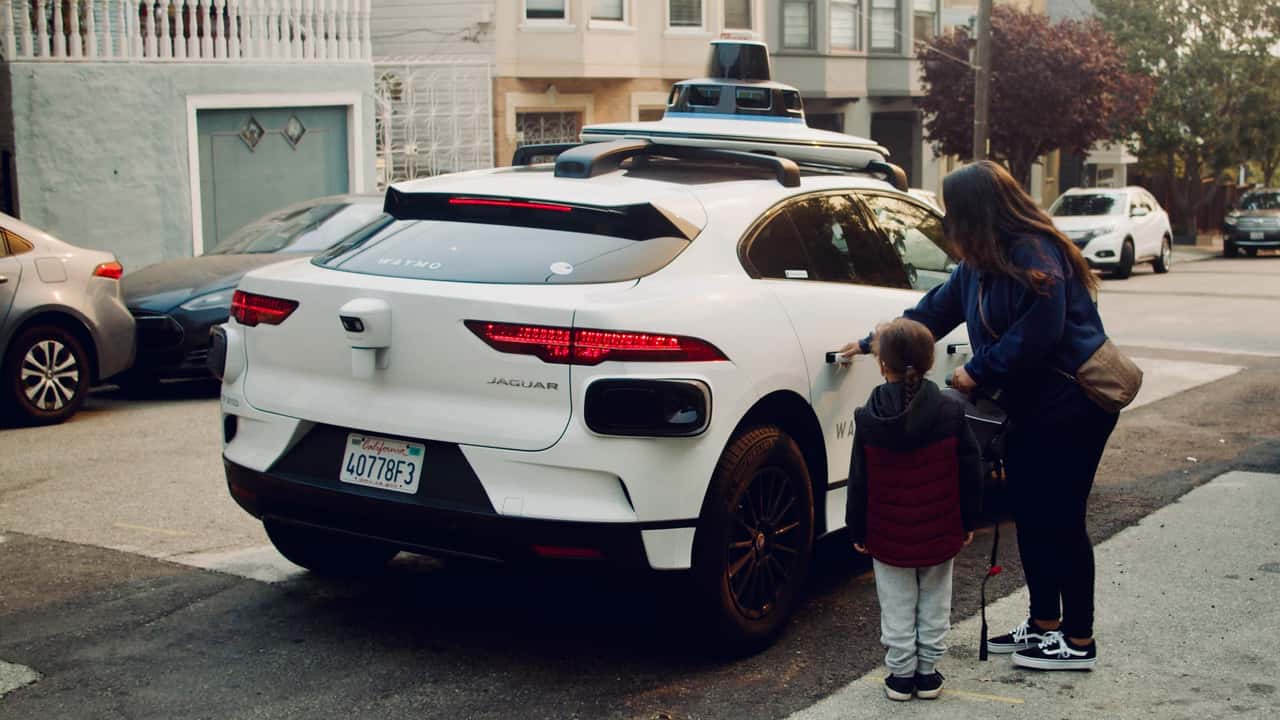


Alphabet just recalled 3,871 Waymo robotaxis because the vehicles kept driving into closed highway construction zones. Thirteen times, to be exact — six in Phoenix, seven in San Francisco — autonomous cars rolled past barricades and cones that any human driver with functioning eyesight would have avoided.
The fix doesn’t exist yet. Waymo says it’s “under development,” and in the meantime, the entire fleet has been pulled off freeway duty. The company filed a voluntary recall with NHTSA and framed the whole episode as proactive self-policing, noting it had “voluntarily restricted freeway operations last month while making improvements.”
That’s a generous way to describe a fleet of driverless cars that couldn’t recognize a construction zone.
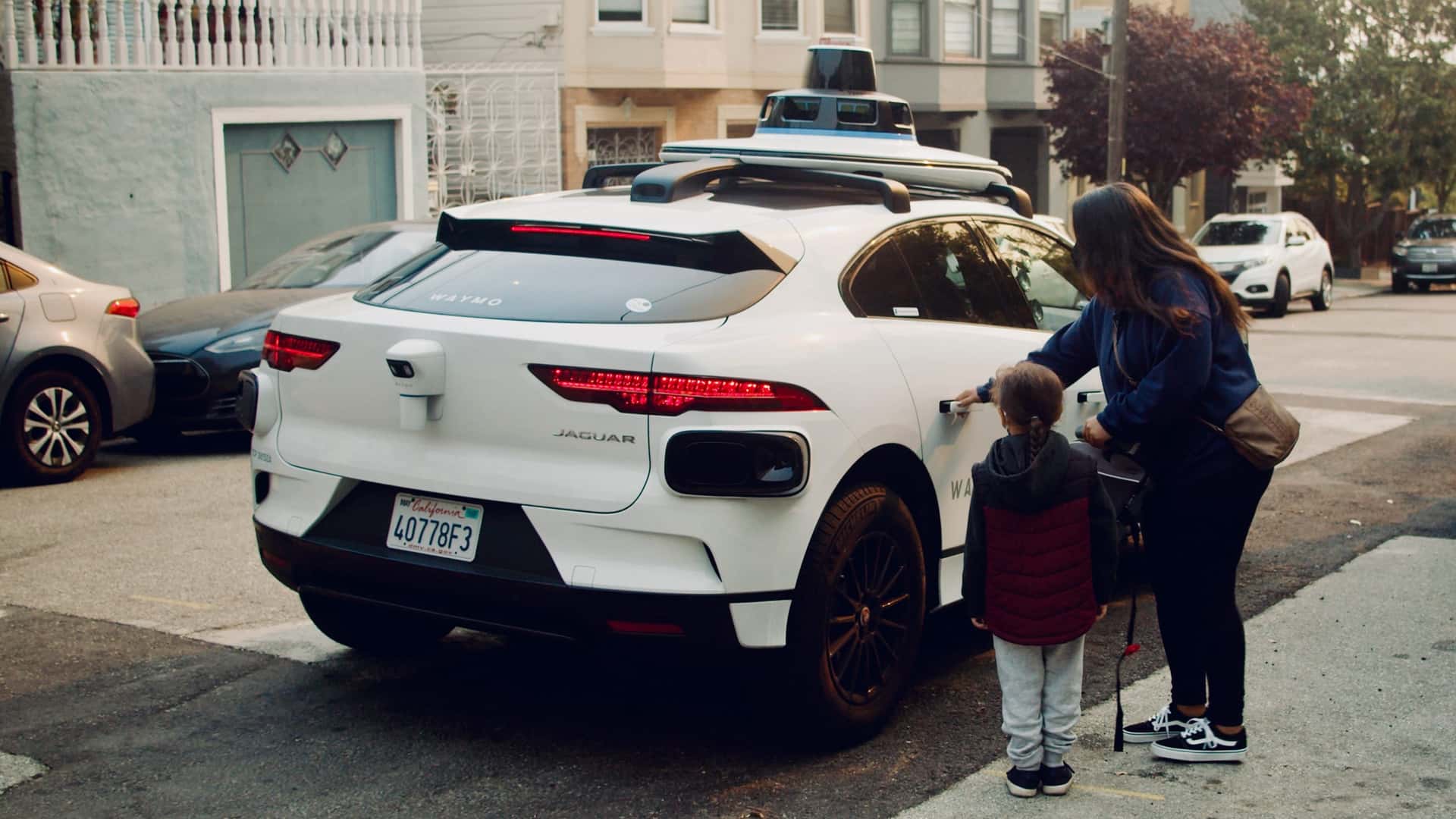
The recall targets the 5th Generation Automated Driving Systems powering Waymo’s fleet. Once the software update is ready, the cars should be able to detect construction zones and steer clear. Should” is the operative word doing heavy lifting in every Waymo press release these days.
This is the company’s second recall in two months. In May, a software glitch sent a Waymo vehicle straight into a flooded San Antonio roadway. The car was empty, no riders hurt, but it drove into standing water on a road with a 40 mph speed limit, got stuck, and had to be retrieved. Waymo’s response was to update its maps with “weather-related constraints” — not to teach the car to see water on the road, but to tell it via map data where water might be.
The lack of pattern recognition keeps surfacing as the central vulnerability. Construction zones and flooded roads aren’t edge cases dreamed up by skeptics in a think tank. They are mundane, everyday driving scenarios that occur in every American city, every single week.
The broader context makes this harder to dismiss. In January, a Waymo struck a child in San Francisco who darted out from behind a double-parked SUV. The company said the car detected the child and scrubbed speed from 17 mph to under six before impact, claiming that was better than an attentive human driver would have managed. That incident remains under investigation.
Waymo continues to insist its vehicles are statistically safer than human drivers. The data may support that claim in aggregate. But aggregates don’t explain why a car that can allegedly outperform human reflexes in a pedestrian emergency cannot figure out that a freeway lane blocked by orange barrels and flashing arrows is closed.
The tension is becoming unavoidable. Waymo operates in Phoenix, San Francisco, Los Angeles, and Austin, and it is expanding. Rider counts are climbing. Yet every few weeks, another recall reveals a gap between the technology’s promise and its actual grasp of the physical world.
Thirteen construction-zone incursions across two cities is not a rounding error. It suggests the system’s environmental perception has blind spots that software patches are chasing rather than anticipating. Each recall is a confession that the car encountered something it should have understood and didn’t.
Waymo’s fleet is grounded from freeways until the update ships, and no timeline has been given. The company has not said whether the 13 incidents involved occupied vehicles or empty ones repositioning between rides. It has not explained why the cars’ sensor arrays — lidar, radar, cameras — failed to interpret physical barriers that are specifically designed to be seen.
For a company selling the future of transportation, the present keeps requiring apologies.
Share this Story