
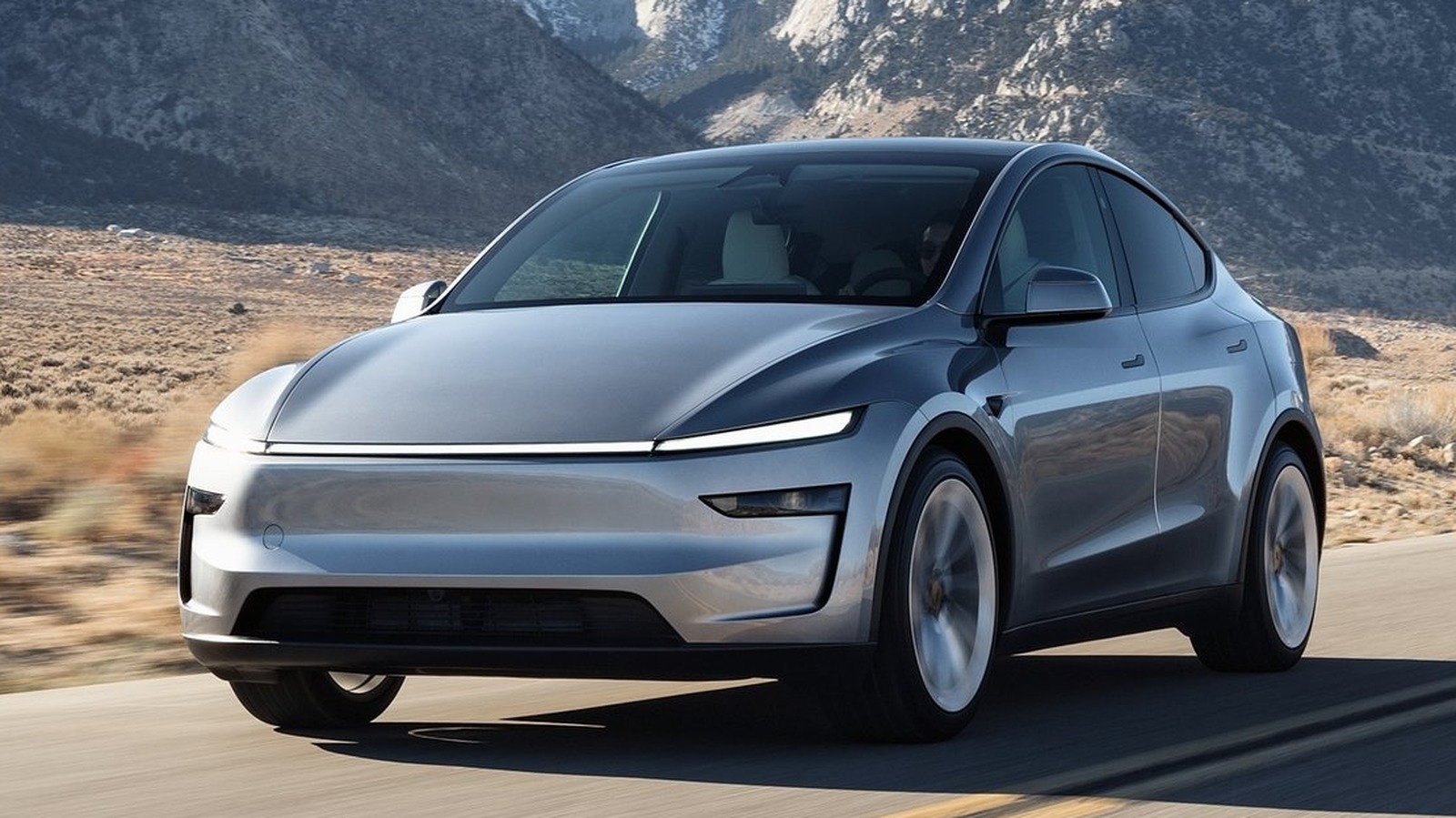


Four. That’s the number of unsupervised Tesla robotaxis apparently still operating in Austin, Texas, down from a peak of eight, according to the independent Robotaxi Tracker. Half the fleet hasn’t been spotted in at least 30 days.
To put that number in context, Austin is a city of more than a million residents. Tesla launched its robotaxi service there in June 2025 with considerable fanfare. Nine months later, the entire operation consists of 37 vehicles total, and the supposedly revolutionary unsupervised portion could fit in a residential driveway.
The timeline tells its own story. Elon Musk promised unsupervised robotaxis would begin rolling out in Austin in December 2025. They did, technically. But the fleet never grew beyond single digits, and now it appears to be contracting.
This is a company whose stock price remains inflated in large part by the promise that autonomous driving will transform Tesla from an automaker into a mobility platform worth trillions. The gap between that promise and four Model Ys quietly circling Austin could not be wider.
The supervised robotaxis haven’t inspired confidence either. Within 24 hours of the June 2025 launch, Tesla’s vehicles committed enough traffic violations to draw federal scrutiny. Those early cars still carried human safety monitors inside, a detail that made the whole “robotaxi” label generous at best.
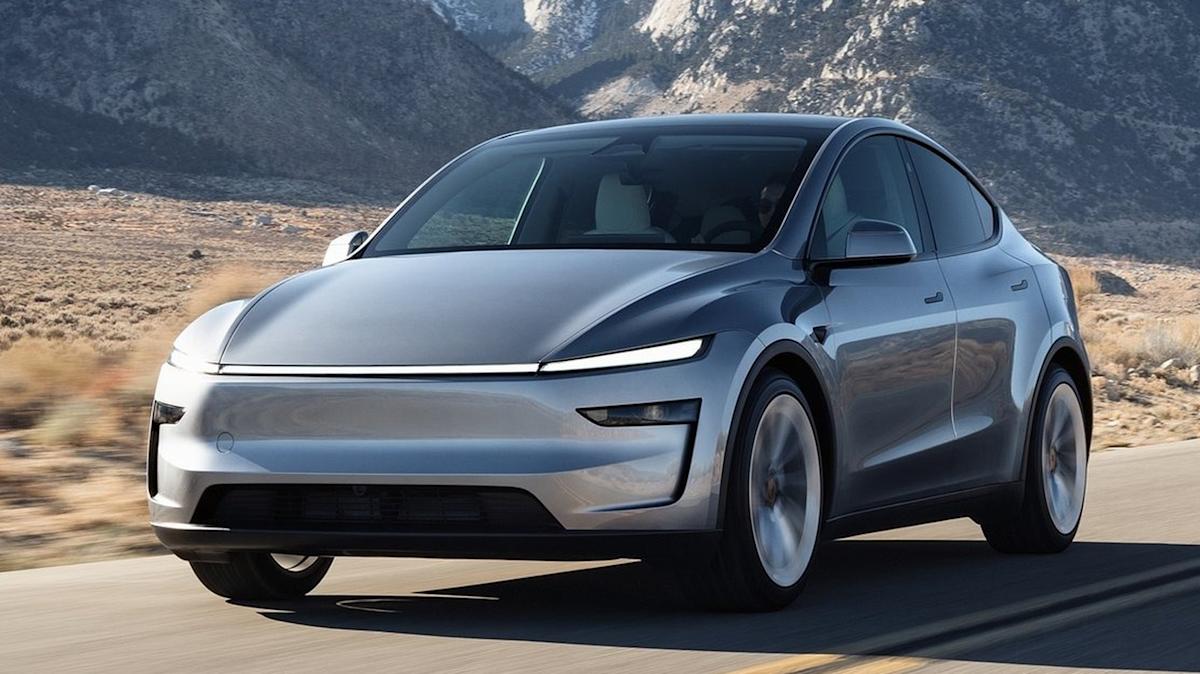
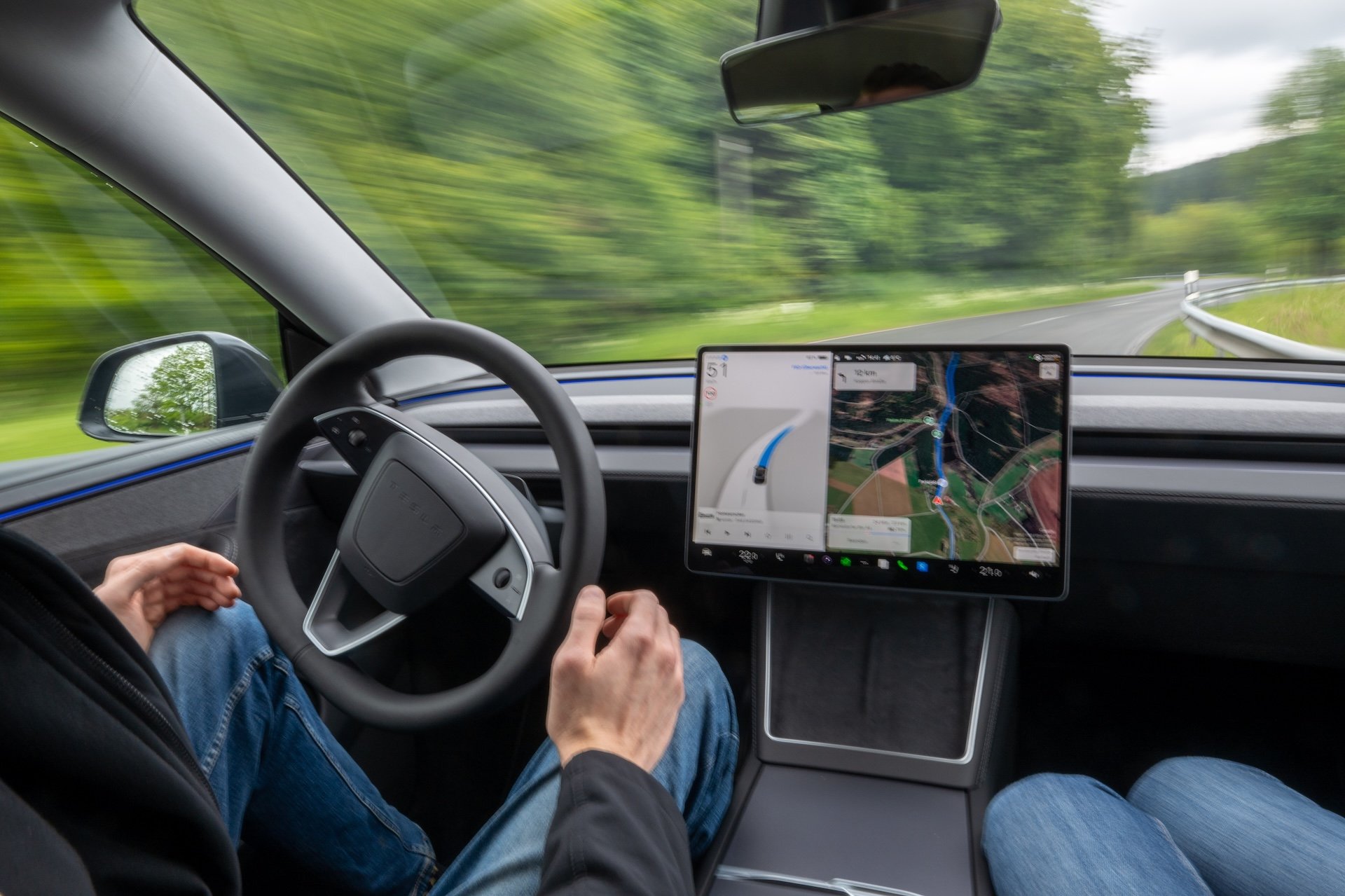
More recently, data has shown Tesla’s robotaxis crashing at four times the rate of human drivers. The Full Self-Driving software continues to fail at recognizing active railroad crossings, a known deficiency Tesla has been aware of for years and still hasn’t resolved.
Against that backdrop, shrinking the unsupervised fleet from eight cars to four looks less like a strategic decision and more like a quiet retreat. Tesla hasn’t publicly explained the reduction, and the company dissolved its press office years ago, so don’t hold your breath for a statement.
Waymo, by comparison, operates thousands of autonomous vehicles across multiple cities. Cruise, even after its messy 2023 shutdown and restart, has been more transparent about its operational challenges. Tesla’s approach has been to promise the moon, deliver a sliver, and rely on Musk’s showmanship to paper over the difference.
The Cybercab, Tesla’s purpose-built autonomous vehicle, is supposed to change all of this. Musk has pointed to it as the real catalyst, a vehicle designed from scratch without a steering wheel, built to operate without human intervention. But if Tesla can’t reliably run eight unsupervised Model Ys in a single city, the Cybercab starts to look less like a revolution and more like a concept car searching for a technology that doesn’t yet exist at scale.
Nearly a decade has passed since Musk first promised full autonomy was just around the corner. Tesla owners who paid thousands for the Full Self-Driving package have watched that corner recede year after year. The Austin robotaxi launch was supposed to be the proof point, the moment when the vision became real.
Instead, it produced 37 cars in one city, a crash rate that makes human drivers look good, ongoing regulatory concerns, and a shrinking unsupervised fleet that now stands at four vehicles. Four cars don’t make a fleet. They barely make a carpool.
Share this Story