
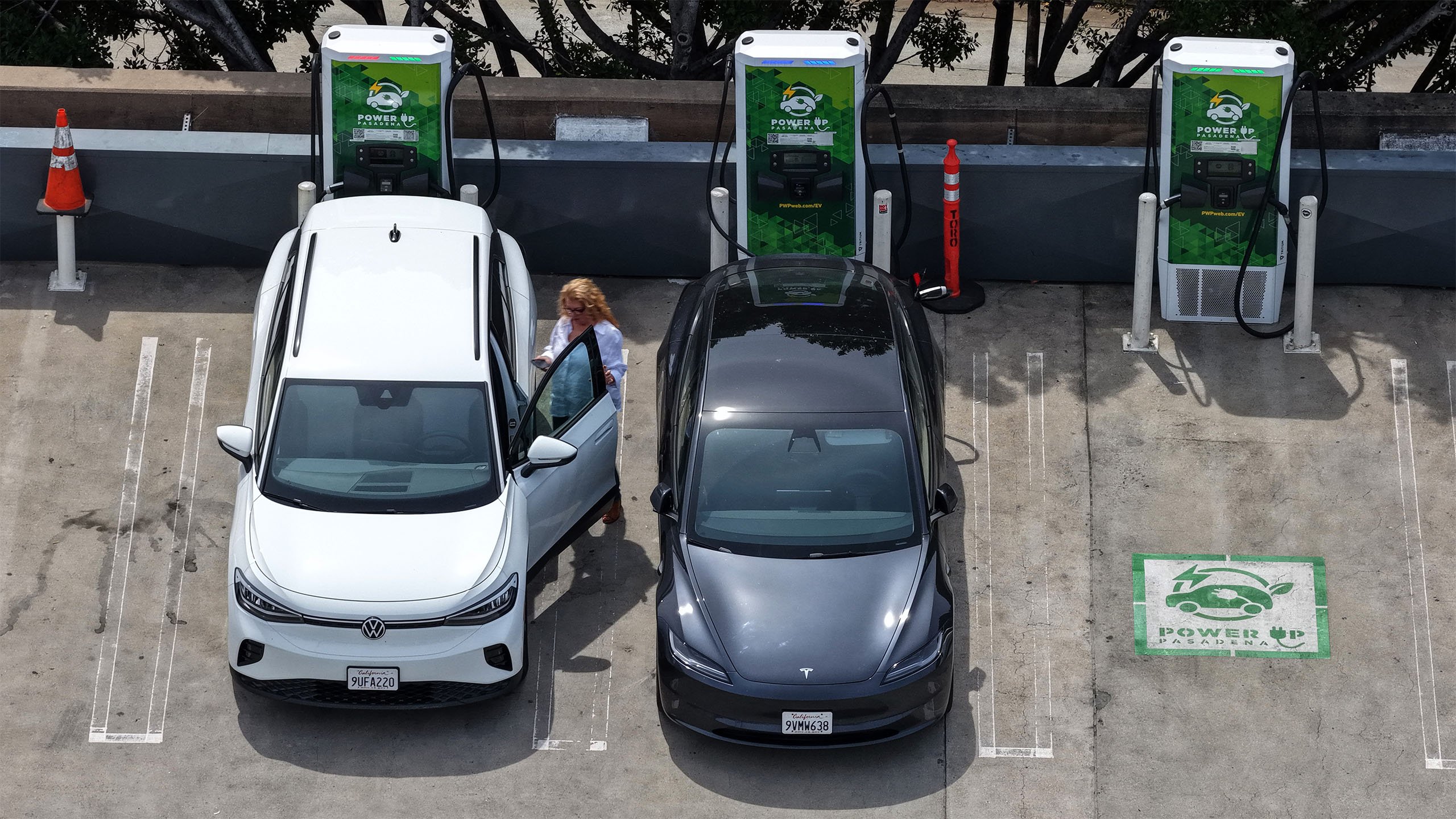


The bleeding has nearly stopped. New electric vehicle registrations in the United States fell just 9.8% in April 2026 compared to April 2025, a dramatic improvement from the freefall that opened the year after federal EV tax credits expired.
January was brutal — a 41% year-over-year decline. February wasn’t much better at 37%. March showed the first real sign of stabilization with a 25% drop. Now April’s single-digit decline suggests the market is finding its footing without government subsidies propping up every transaction.
The trajectory tells a clear story. Buyers who were always going to choose an EV are still choosing EVs. The January cliff was predictable — a hangover from consumers who rushed to buy in late 2025 to capture the last credits, pulling demand forward and leaving a crater behind.
What’s happening now is the normalization phase, and it’s arriving faster than most analysts expected.
That 9.8% gap is remarkably narrow considering the price disadvantage EVs now carry without $7,500 in federal assistance. It suggests either that automakers have quietly absorbed some of that cost through incentives and price cuts, or that a meaningful chunk of the EV-buying public was never motivated primarily by the tax credit in the first place. Both things are probably true at the same time.
The broader industry context adds texture. Across the Atlantic, the U.K. government is reportedly preparing to halve its 2030 electric vehicle sales mandate from 80% to 50%, a concession to automakers struggling to hit aggressive targets. The outright ban on new internal-combustion-only vehicles remains, as does the 2035 deadline for hybrids, but the softening signals that even governments committed to electrification are recalibrating the pace.
Meanwhile, Tesla’s European ambitions are hitting fresh turbulence. Independent traffic researchers in Sweden and the Netherlands have challenged data the company submitted to regulators about Full Self-Driving’s safety record, calling it misleading. Tesla has been pushing hard for FSD approval on the continent, and credibility problems with its own data won’t help that cause.
Back in the U.S., the RV industry offers a useful contrast to the EV recovery. Manufacturers shipped 13.5% fewer units to dealers through the first four months of 2026, squeezed by economic headwinds and elevated gas prices. Discretionary, fuel-hungry purchases are getting hammered while electric vehicles — positioned as both a technology upgrade and a hedge against pump prices — appear more resilient.
The American auto market is running a real-time experiment in what EV demand looks like without subsidies. The early returns were ugly enough to fuel every skeptic’s narrative. But four months in, the data is bending back toward something that looks sustainable, if smaller than the subsidized peak.
Nobody should mistake a 9.8% decline for growth. The EV market is still contracting year-over-year. But the velocity of that contraction has slowed so dramatically — from 41% to under 10% in three months — that a return to positive territory by summer isn’t out of the question, especially if gas prices remain elevated and automakers keep sharpening their pencils on transaction prices.
The tax credit was a crutch. Removing it caused a stumble. But the patient is walking again, and faster than expected.



Share this Story