
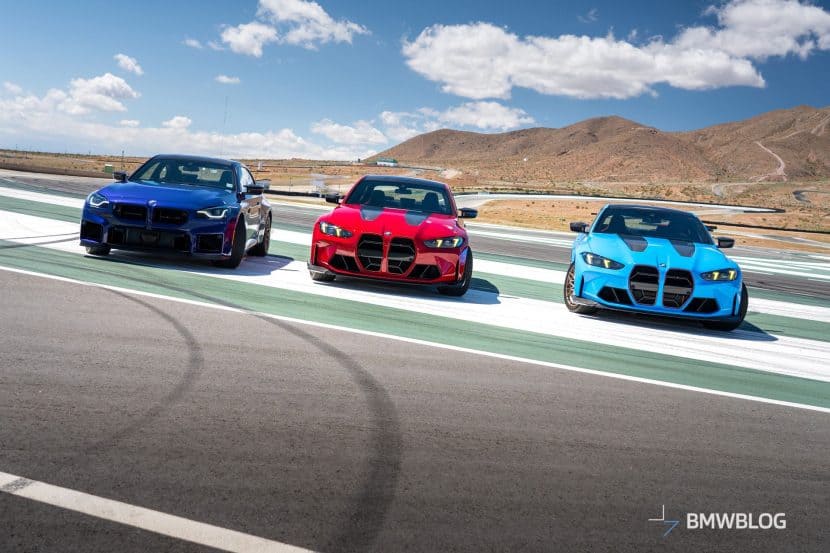


Eight hundred to nine hundred units. That’s the entire U.S. allocation for the BMW M3 CS Handschalter, and most of them already have names attached. Wait lists are full at dealerships across the country, some dealers are tacking on $25,000 over sticker, and the car hasn’t even landed in showrooms yet.
The speed of this sellout caught BMW off guard. It caught everyone off guard.
BMW M Certified dealers are reportedly getting two units each. The remaining 370-odd U.S. stores get one, maybe two if another dealer declines its allocation. That math produces a painfully thin supply against what turned out to be ferocious demand.
Reporters at BMWBLOG confirmed it firsthand, calling dealer after dealer and finding nothing but closed lists and shrugs.
The markup situation is predictable and ugly. Dealer adjustments range from a few thousand dollars to a full $25,000 over MSRP. Nobody likes it, but nobody should be surprised, either.
Porsche has run this playbook on GT cars for years. Ferrari built an entire business model around scarcity and preferred-client allocations. When a genuinely limited car collides with genuine demand, the sticker price becomes a suggestion.
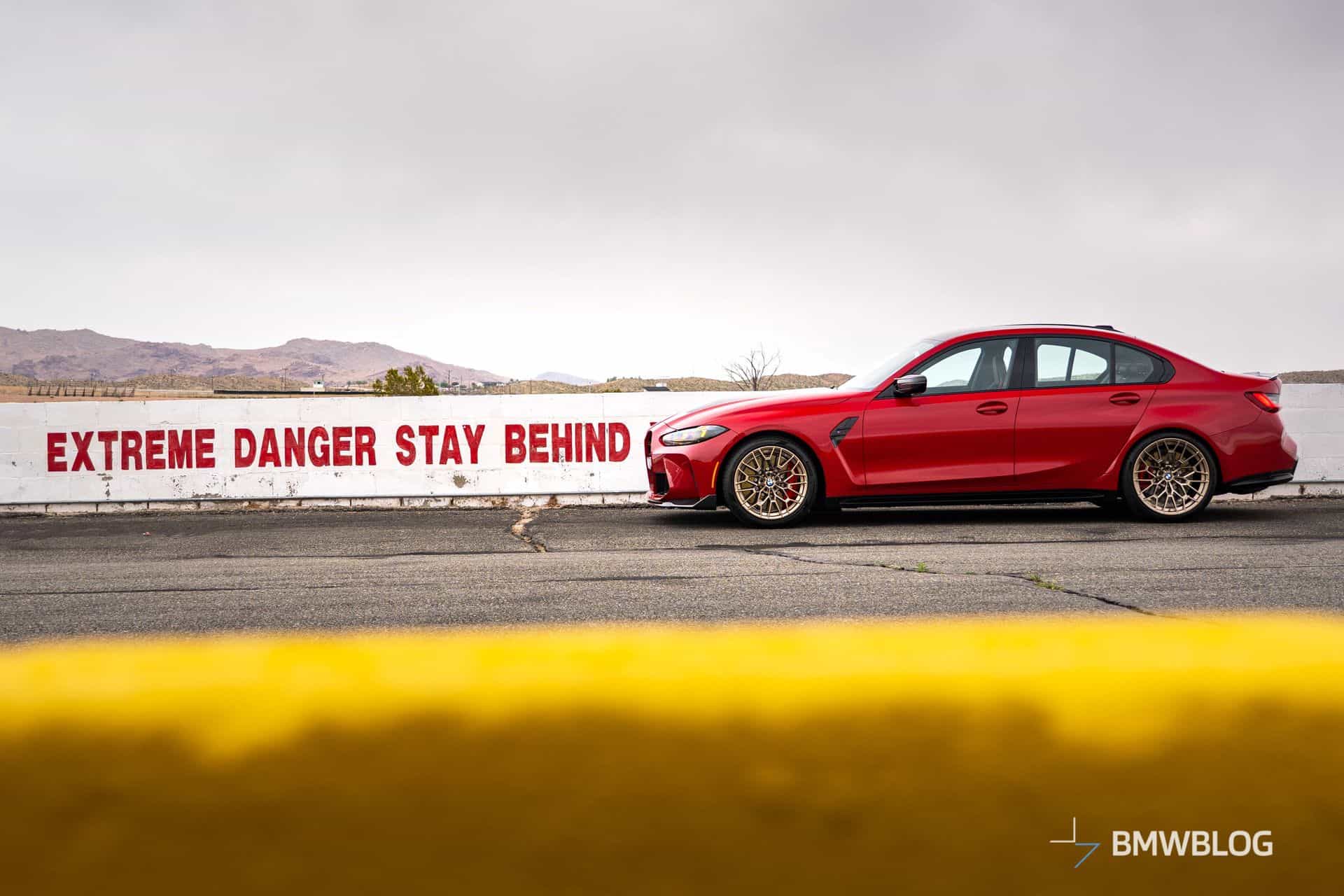
Here’s the tension that makes this story interesting: the M3 CS Handschalter doesn’t actually add horsepower. Every previous CS in BMW’s modern lineage brought more power to the table. The Handschalter gets CS-specific tuning, CS hardware, colors like Imola Red and Techno Violet, and rear-wheel drive paired with a six-speed manual, but the S58 engine makes the same output as the standard G80 M3.
On paper, that’s a miss for a badge that has always meant “more.” In practice, the market didn’t care. Not even a little.
The reason is a demographic shift that snuck up on the entire industry. America now buys more manual-transmission M cars than any other market on Earth. The G87 M2 moves close to half its U.S. volume with a stick.
The country that supposedly killed the manual is the one keeping it alive inside BMW’s performance division, while Germany and the UK drift toward automatics.
So when BMW finally built the exact car that American enthusiasts had been demanding in forums, at car meets, and in every comment section for years, the response was instantaneous. The missing horsepower was irrelevant. The gearbox was the horsepower.
Whispers suggest this won’t be the last manual variant in the current M generation. The bigger question looms over the next generation entirely. Replacements for the M2 and M3 are still at least two years out, and the engineers in Garching now have hard data that didn’t exist six months ago.
A CS that sold out before delivery, commanded five-figure premiums, and generated more noise than any M car in recent memory. That data tells a clear story.
Whether BMW’s product planners actually listen to it is another matter. The company has a long history of hearing enthusiast demand and then doing something else entirely.
For now, the Handschalter has already become a future classic. If you somehow find one at MSRP, the only rational move is to stop reading and start signing. The window isn’t closing — it’s closed.

Share this Story