


Canada cut a deal with Beijing in January to let Chinese-made electric vehicles back into the country at a 6.1 percent tariff, replacing a punishing 100 percent surtax. Now comes the hard part: deciding who gets to sell what.
Government officials in Ottawa are debating whether to carve the 49,000-unit annual quota into company-specific allocations — a quota within a quota — to prevent any single automaker from swallowing the market whole. The framework took effect in March, and an initial batch of 24,500 import permits was issued on a first-come, first-served basis through August. So far, not a single one has been used.
That zero tells you everything about how much uncertainty still hangs over this program.
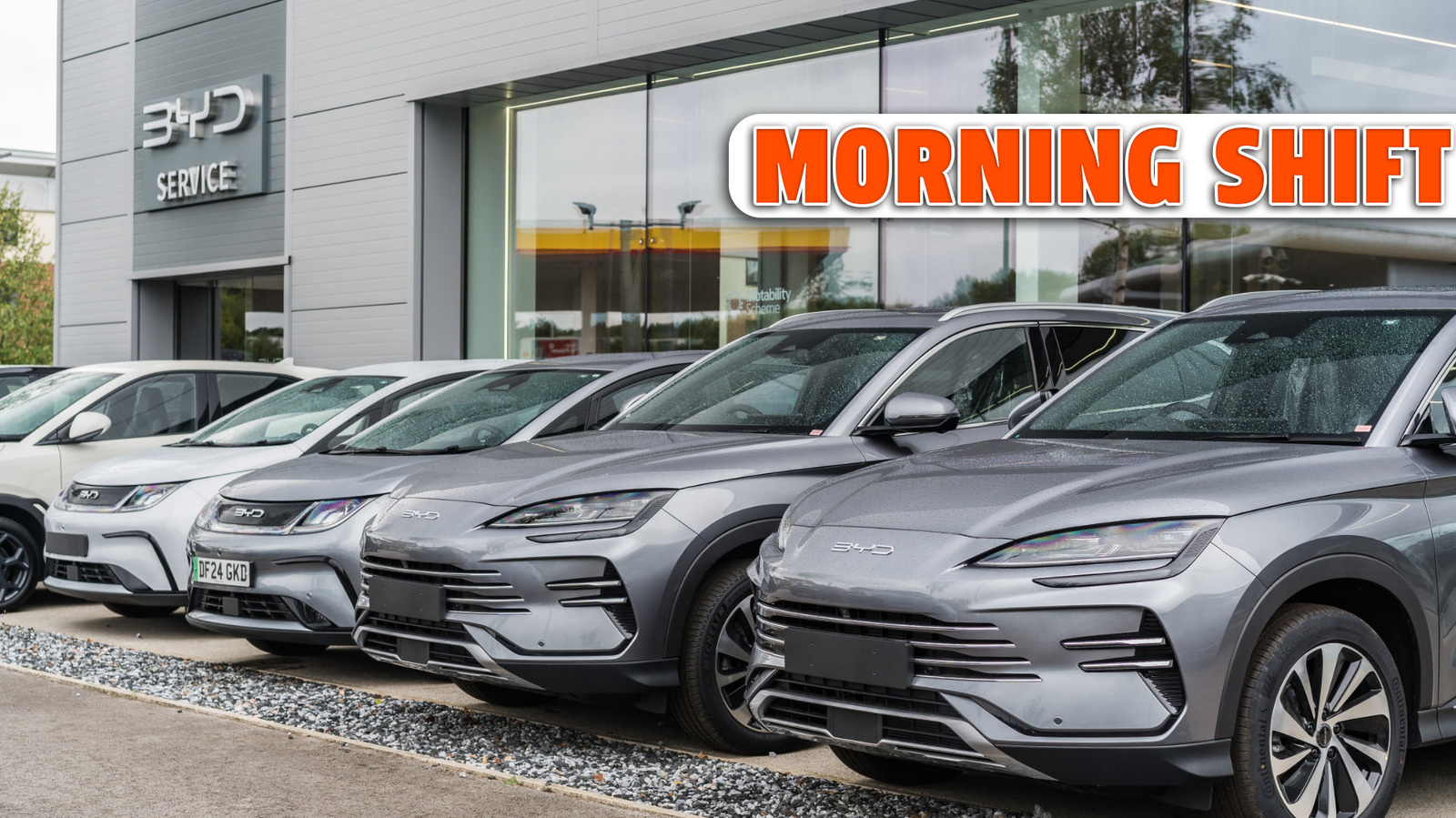
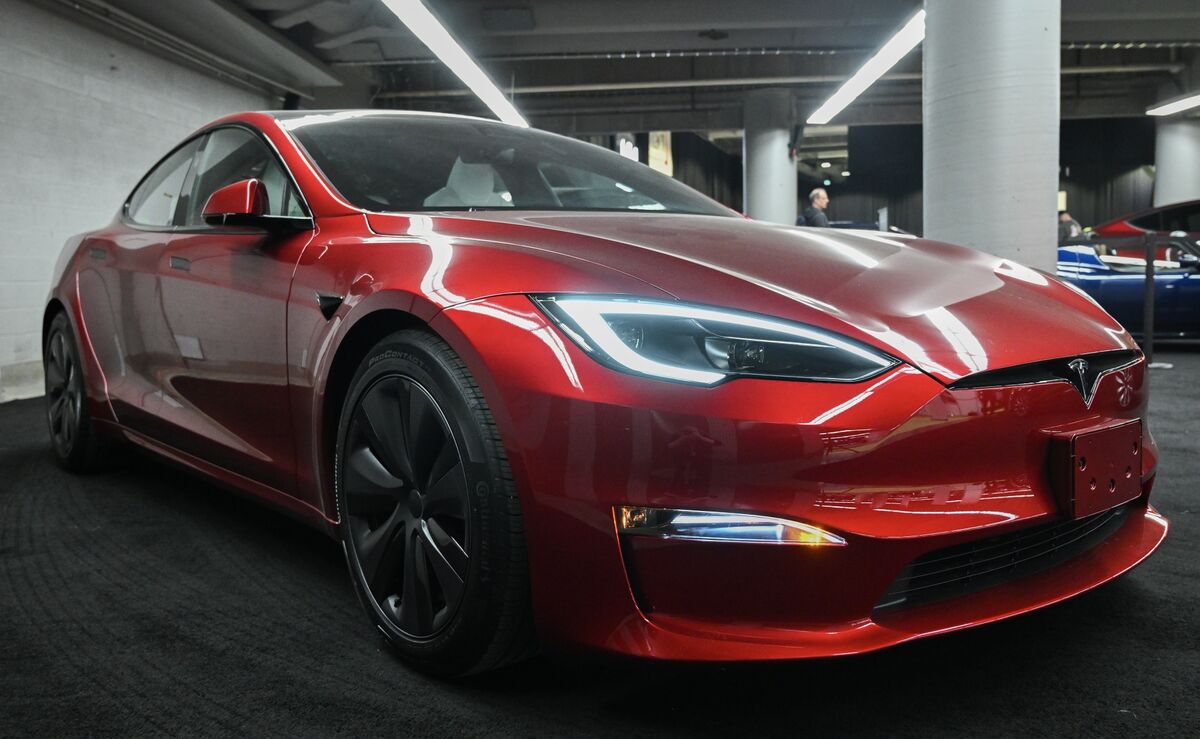
The deal, struck when Prime Minister Mark Carney visited China and met with President Xi Jinping, opened the door for BYD, Chery, and other Chinese manufacturers to sell directly to Canadian consumers for the first time. It also created a back channel for Tesla and Polestar to ship their Shanghai-built vehicles north of the border at a fraction of the old tariff cost.
Washington hasn’t been quiet about it. The trade framework drew sharp condemnation from the U.S., which maintains its own 100 percent tariff wall against Chinese EVs and has little appetite for watching a friendly neighbor punch holes in the blockade. Domestic Canadian critics aren’t thrilled either.
The 49,000 vehicles represent less than 3 percent of Canada’s total auto market. It’s a sliver. But slivers have a way of becoming wedges, and everyone involved knows it.
Canadian officials are now weighing whether companies that invest locally — through joint ventures, parts sourcing, or assembly operations — should get preferential access to the quota over time. The idea is to turn a trade concession into an industrial policy tool, luring Chinese automakers into putting real money and jobs on Canadian soil rather than simply shipping finished cars across the Pacific.
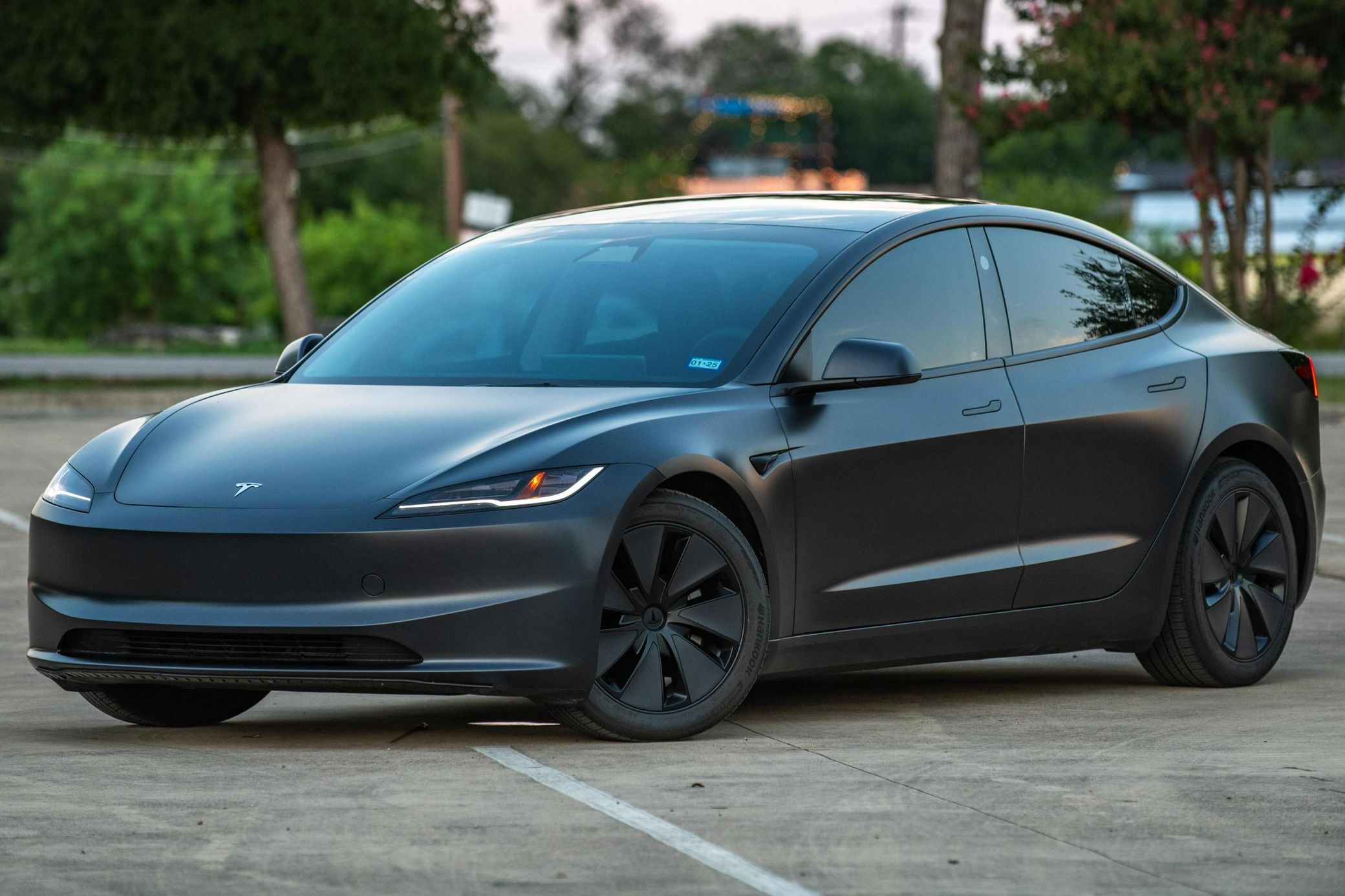
Tesla is already testing the waters. The company recently promoted a Model 3 sedan in Canada priced at C$42,132 including delivery, a steep cut from its previous list price. The vehicle is widely believed to be sourced from Shanghai, though Tesla hasn’t confirmed it.
BYD, which has become the world’s largest EV seller by volume, is exploring how to use the lower tariff window to establish a North American beachhead. Chery and other Chinese brands are circling too. For them, Canada isn’t just a market — it’s a proof of concept for cracking the Western hemisphere.
The comparison to Japan’s automotive arrival in North America decades ago is unavoidable. Back then, the U.S. fumbled through voluntary export restraints and political theater before Japanese manufacturers simply built factories in Ohio and Tennessee and rendered the debate moot. China’s playbook may end up looking similar, but the geopolitical stakes are orders of magnitude higher.
Canada finds itself in an awkward position: trying to maintain a trade relationship with its largest partner while opening a carefully controlled valve to the world’s most aggressive EV exporters. The quota-within-a-quota idea is an attempt to thread that needle, keeping BYD from flooding the zone while still giving multiple players enough room to compete.
Whether 49,000 vehicles stays the ceiling or becomes a floor will depend entirely on how the next year plays out. That balancing act, more than any single tariff number, is the real story here. The permits are issued, the cars haven’t moved, and everyone is waiting to see who blinks first.

Share this Story