
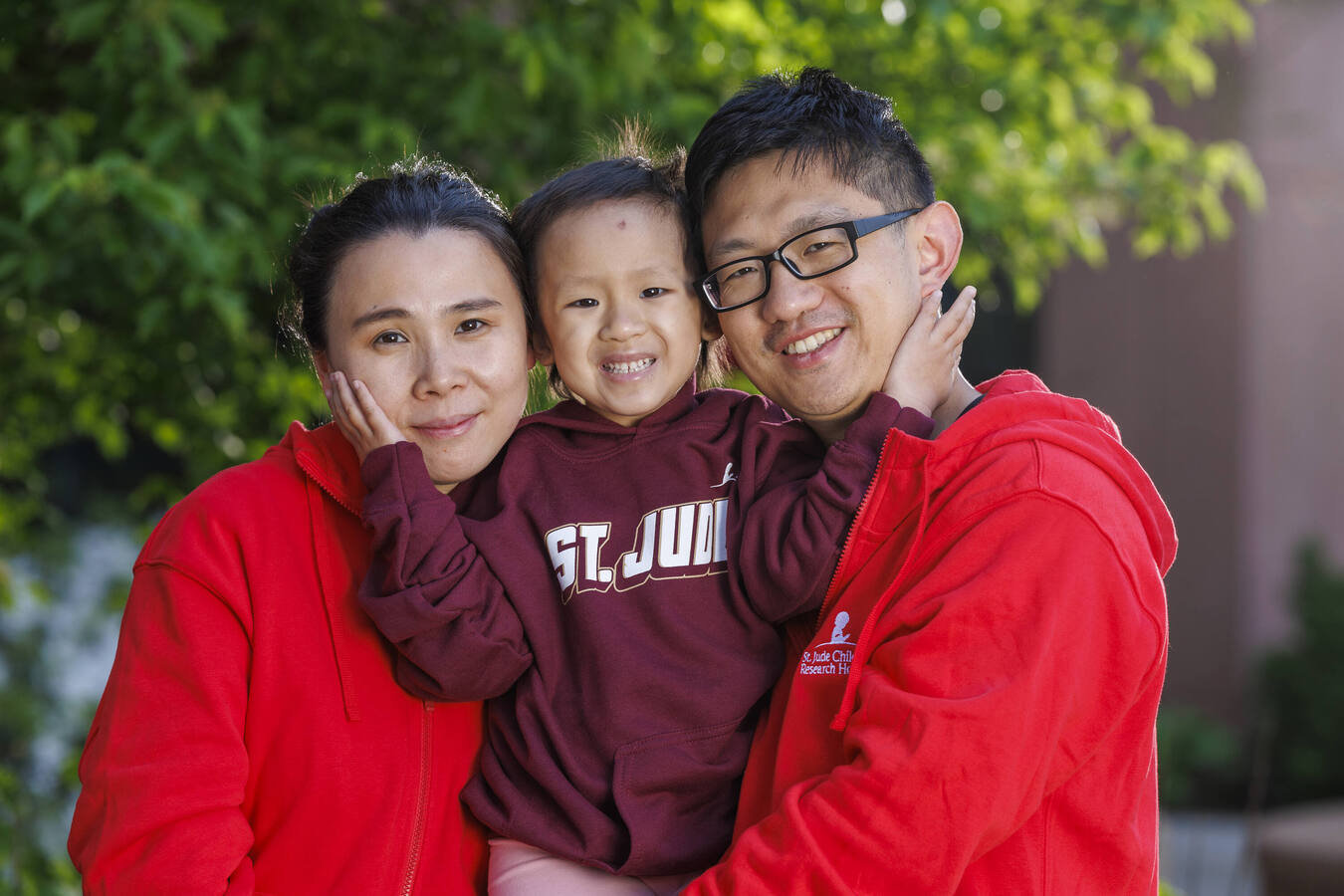


Nearly 800 Kia dealerships across the United States collectively raised more than $4.7 million for nonprofit organizations in 2025, the automaker announced this week. That figure, split across national heavyweights like St. Jude Children’s Research Hospital and No Kid Hungry, each receiving more than $1.5 million, marks the fifth consecutive year of Kia’s “Accelerate the Good” Dealer Match program.
Five years is long enough to separate a real initiative from a publicity stunt. And $4.7 million, while a rounding error on Kia America’s balance sheet, is real money when it lands at a local food bank or children’s hospital.
The program’s structure is what makes it worth watching. Kia corporate matches dealer-level donations, which means individual retailers have to actually write checks and organize events in their own communities before the corporate dollars flow. That’s a fundamentally different model than a brand cutting a single seven-figure check to a headline charity and calling it a day.
The recipient list tells that story. Alongside the marquee names — St. Jude, No Kid Hungry, American Red Cross, Toys for Tots — sit smaller, regional organizations like Feeding South Florida, Children’s Hospital of the King’s Daughters, Do Greater Charlotte, and Angel Wings for Veterans. These aren’t the nonprofits a national marketing department picks from a boardroom. They’re chosen by dealers who know their zip codes.
“The continued success of our ‘Accelerate the Good’ initiative reflects the shared commitment of Kia and our nationwide retailer network to invest in the communities we serve,” said SeungKyu (Sean) Yoon, president and CEO of Kia North America and Kia America. Standard corporate language, sure. But the receipts back it up.
The program also extends beyond writing checks. Kia says employees participate in volunteer efforts including food pantry service, beach cleanups, clothing drives, and assembling art kits for hospitalized children. None of that is glamorous. All of it requires showing up.
Automakers love to talk about community investment. Most of them mean sponsoring a stadium or slapping a logo on a marathon. The franchise dealer model, often criticized for its middleman economics and territorial politics, turns out to be a surprisingly effective charitable distribution network when someone bothers to activate it.
Dealers are embedded in their towns in ways that corporate offices in Irvine or Detroit or Seoul simply cannot be.
Kia’s broader social portfolio now includes scholarships for underserved students and grants supporting environmental innovation, ocean conservation, and animal welfare. Whether these efforts move the needle on brand perception is debatable. J.D. Power surveys and Consumer Reports rankings still drive purchase decisions far more than philanthropy pages on a corporate website.
But that might be beside the point. The American Red Cross doesn’t care why the check cleared. Neither does Operation Homefront, which serves military families, or Covenant House, which works with homeless youth. The money arrives and does its work regardless of motive.
Five years in, $4.7 million raised in a single calendar year, nearly 800 participating dealers. The trajectory is upward. The question now is whether other manufacturers with similarly vast dealer networks — Toyota, Ford, Chevrolet — are paying attention or content to let Kia own this particular lane.
Dealerships have spent the last decade fighting for their survival against direct-sales models and online disruptors. Proving they are indispensable community anchors, not just transactional showrooms, might be the smartest long-term play any of them can make. Kia’s dealers seem to have figured that out before most.


Share this Story