


The Volkswagen Group is about to become a much smaller company. The supervisory board has approved plans to slash the global model lineup by up to 50 percent, reduce equipment options by as much as 75 percent, and eliminate another 50,000 jobs worldwide. CEO Oliver Blume called it “the most comprehensive realignment in the company’s history.” That’s not hyperbole.
Across ten brands — Volkswagen, Audi, Porsche, Skoda, Seat, Cupra, Bentley, Lamborghini, Scout, and Ducati — the product portfolio has ballooned for years on the assumption that more models meant more market share. That assumption is now officially dead.
Production capacity drops to 9 million units, down from 10 million today and a staggering 12 million pre-pandemic. That’s a 25 percent contraction from peak ambition in just a few years. Profit margins have cratered to less than half their 2021 levels, squeezed by bloated German manufacturing costs, intensifying Chinese competition, and U.S. tariffs that have already cost VW $1.5 billion.
CFO Arno Antlitz framed it in clinical terms: “We must fundamentally realign our business model.” Translation — the old Volkswagen model of throwing variants at every conceivable market niche while running expensive, underutilized German factories is finished.
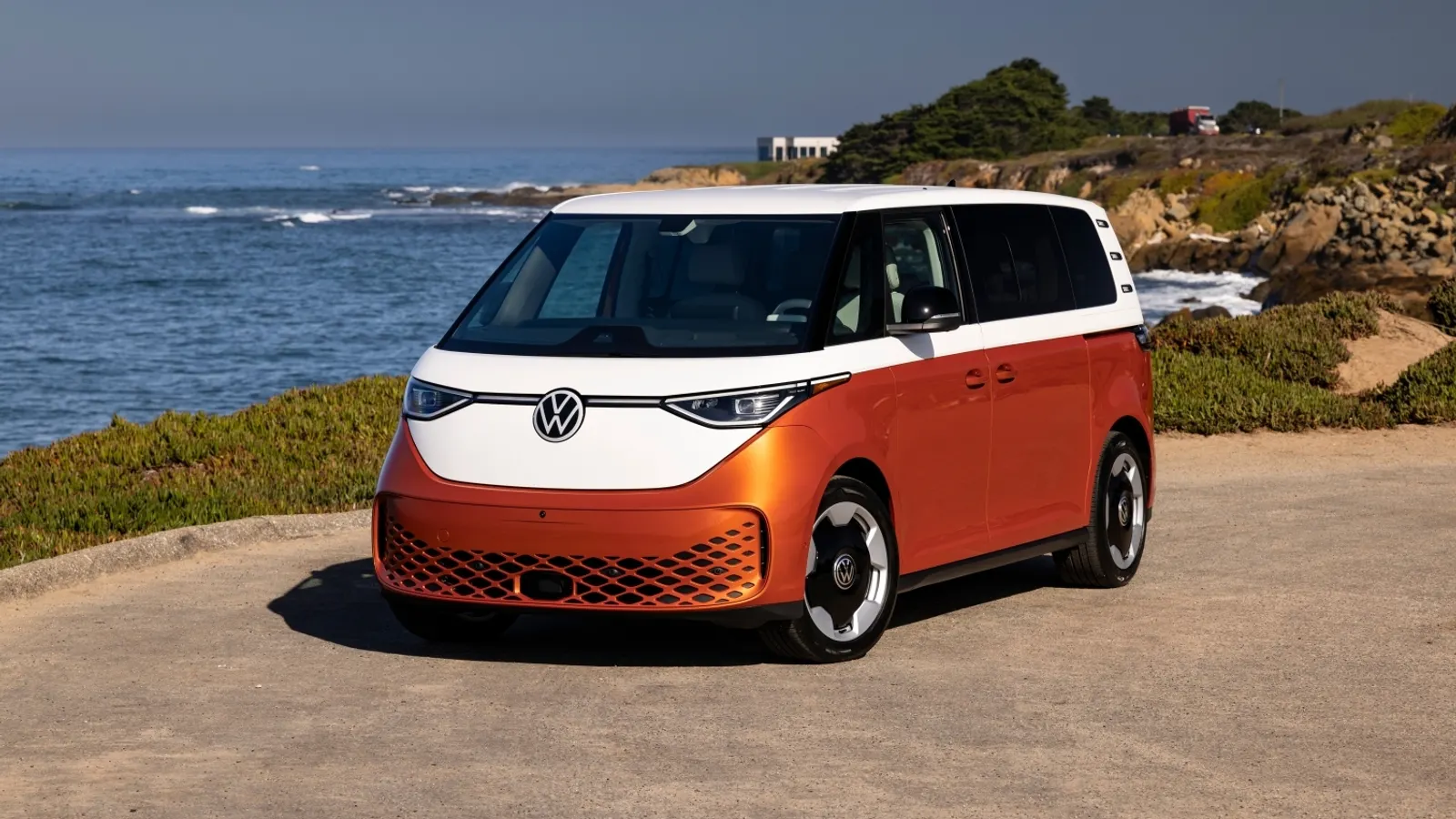
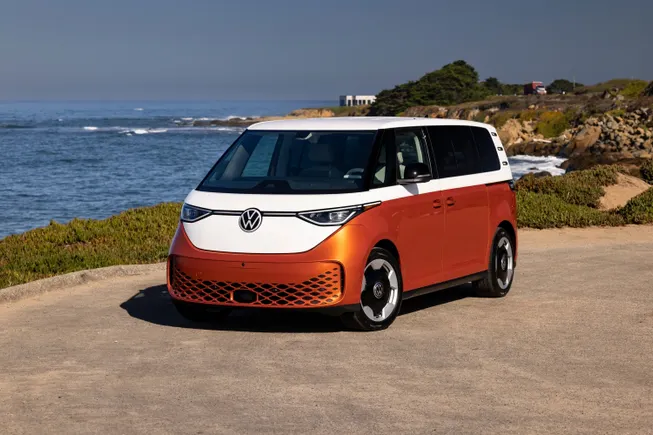
The ID.Buzz tells the story in miniature. VW skipped the 2026 model year entirely for its electric Microbus revival, a vehicle that arrived to enormous nostalgia-driven hype and landed with a thud. The Hannover plant where it’s built sits underutilized, a monument to misplaced optimism about how fast premium-priced EVs would sell in volume.
Despite all this, the board voted against closing any German manufacturing plants. Thousands of workers still protested across VW sites on Monday. They should be protesting.
Fifty thousand jobs disappearing is not a trim. It’s an amputation. The fact that no German plants close while headcount drops that dramatically means the pain gets distributed globally — and the German operations will be expected to do far more with far less.
The restructuring goes deeper than killing slow sellers. VW plans to consolidate platforms, electronic architectures, and software across regions, creating shared underpinnings that could serve multiple brands simultaneously. Buried in that strategy is a telling detail: technology developed with Chinese partner Xpeng may end up in vehicles sold in Europe and other markets.
A German industrial giant leaning on a Chinese EV startup for core technology would have been unthinkable five years ago.
The portfolio cleanup extends beyond cars. VW agreed in late June to divest a majority stake in Everllence, its heavy marine engine subsidiary formerly known as MAN Energy Solutions, generating roughly €7.4 billion to shore up the balance sheet. That’s not strategic focus. That’s raising cash.
Blume told employees the goal by 2030 is to become “the most attractive automotive company in the world.” The language — iconic brands, inspiring products, robust financial results — reads like it was drafted by someone who’s studied Toyota’s playbook but hasn’t yet figured out how to execute it.
What VW is actually attempting is a controlled demolition of its own complexity. For decades the group added brands, models, powertrains, and options with abandon, confident that scale would cover the costs. Scale didn’t.
China’s market share evaporated. Tariffs hit. EV investments haven’t paid back. And now the bill has arrived.
The question isn’t whether these cuts are necessary. They obviously are. The question is whether a company this large, this politically entangled with German labor unions, and this addicted to complexity can actually execute a 50 percent product reduction without paralyzing itself in the process. History says that’s the hardest part.
Share this Story