
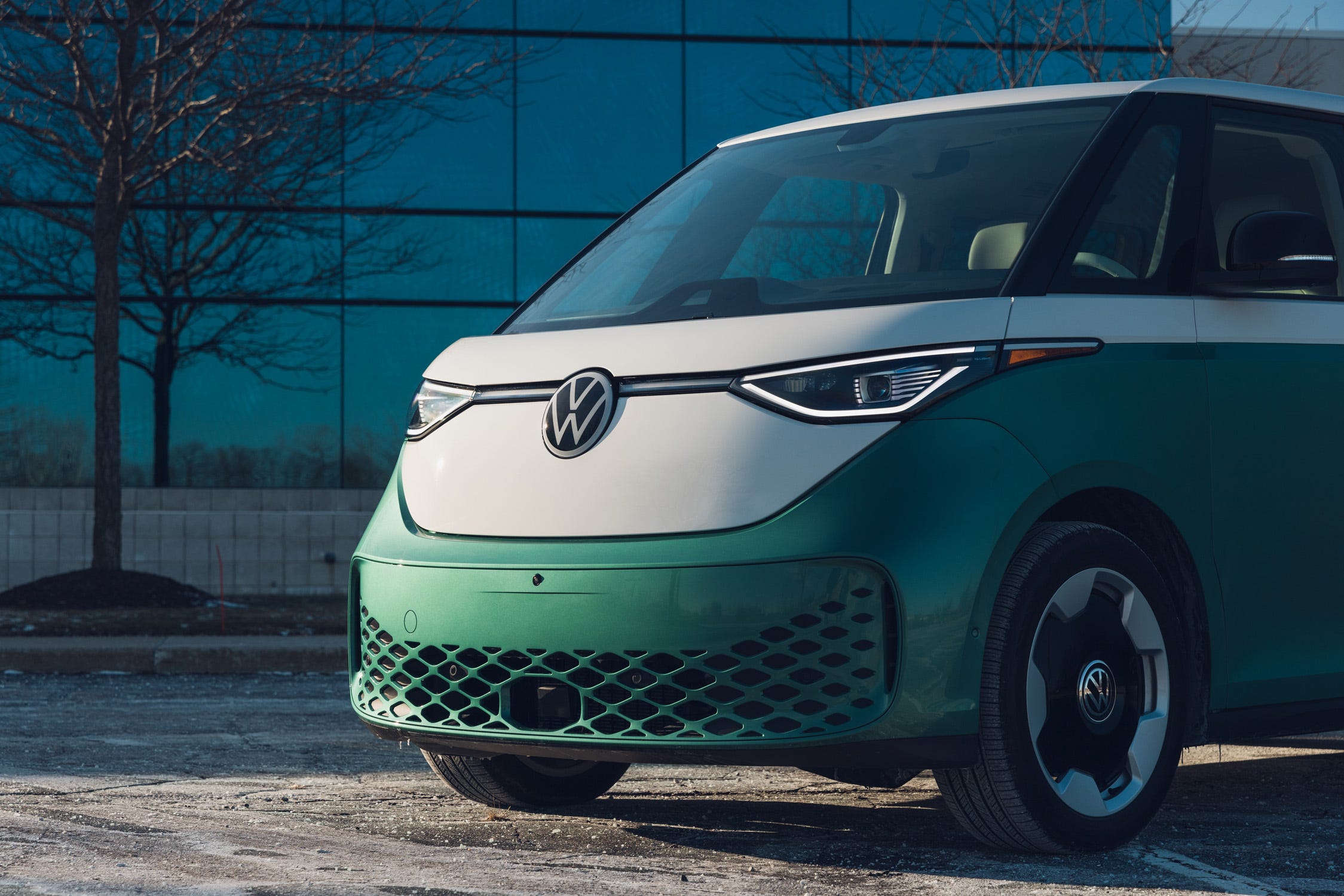


Volkswagen Group just announced it will slash up to 50 percent of its global model lineup and cut equipment options by as much as 75 percent. In the same breath, the company bragged about having “the largest model lineup in its history.” Pick a lane.
The German conglomerate parent to Audi, Porsche, Lamborghini, Bentley, Seat, Cupra, Skoda, and the fledgling Scout Motors has spent decades layering model after model across overlapping segments and regional markets. Now it wants to strip it all back to focus on what actually makes money.
The move reflects a familiar reckoning. VW’s portfolio has become so sprawling that it competes with itself more aggressively than it competes with rivals.
In Europe, the brand sells three subcompact SUVs — the T-Cross, Taigo, and T-Roc — that cannibalize each other’s sales. In China, there are four compact sedans: the Lavida, Bora, Lamando, and Sagitar. That kind of redundancy doesn’t signal strength. It signals a company addicted to volume over discipline.
American buyers probably won’t feel much impact. VW’s U.S. lineup is already lean by the company’s standards, built around the Tiguan, Atlas, Atlas Cross Sport, Taos, and Jetta. Those are safe.
The GTI and Golf R should survive on heritage alone, though the Jetta GLI — squeezed between the base Jetta and the GTI — looks vulnerable.
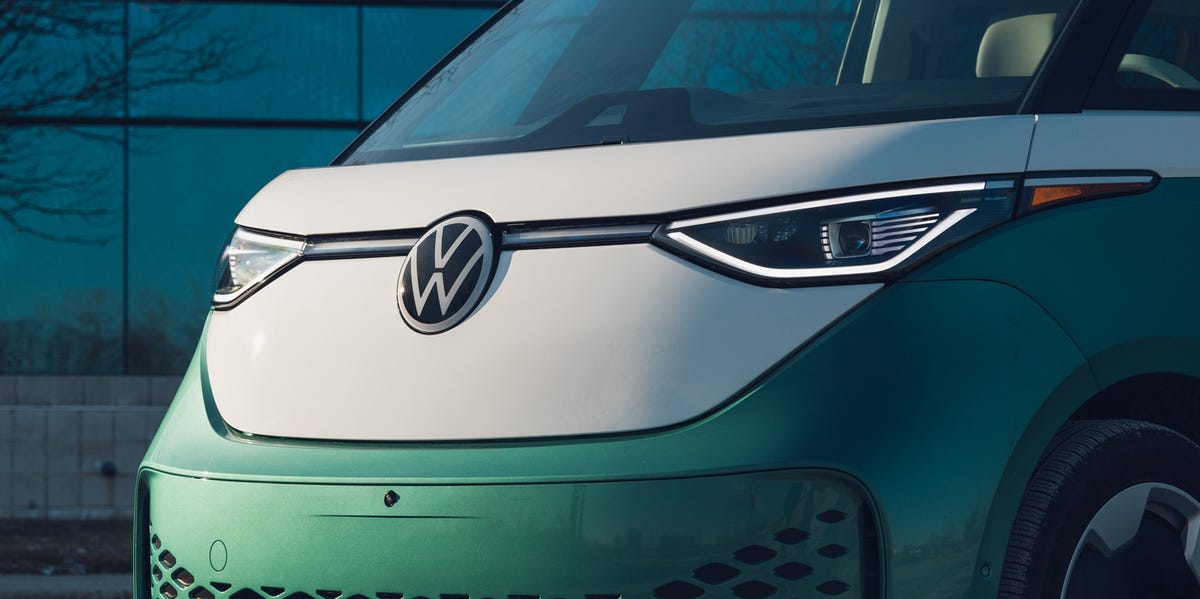
The real bloodletting will happen overseas. Seat, the Spanish brand that VW has been slowly starving while feeding investment to its sportier offshoot Cupra, seems destined for further marginalization or quiet extinction. Skoda will likely see older combustion models pruned as EV replacements arrive, and Audi carries obvious bloat from running parallel gas and electric lineups during this messy transition period.
But here’s the wrinkle that makes VW’s grand simplification plan less than convincing. Audi’s own CTO recently pushed back on the concept of a “global car” and committed to developing market-specific vehicles under the AUDI sub-brand in China. That’s the opposite of consolidation. That’s complexity with a different logo on it.
VW didn’t name specific models headed for the chopping block or provide a timeline, saying only that the lineup would be “gradually streamlined.” The reduction in equipment complexity, however, takes effect immediately. Fewer paint colors, fewer option packages, fewer ways for customers to configure a car that probably didn’t need 14 trim levels in the first place.
This is a company that has been here before. VW has periodically announced sweeping efficiency programs — most memorably after the diesel emissions scandal only to let the model count creep back up when times were good. The question isn’t whether cutting 50 percent of the lineup makes strategic sense. It obviously does.
The question is whether VW’s decentralized empire of brands, each with its own engineering teams and regional ambitions, can actually execute it. Cutting a model from a PowerPoint is easy. Shutting the factory that builds it, reassigning the engineers who designed it, and walking away from the dealers who sell it that’s where corporate resolve gets tested.
VW says more details will come later this year. Given the scale of what’s being proposed, later this year can’t come soon enough. A 50 percent reduction isn’t a trim. It’s a reinvention. And Volkswagen Group has historically been far better at adding things than taking them away.
Share this Story