
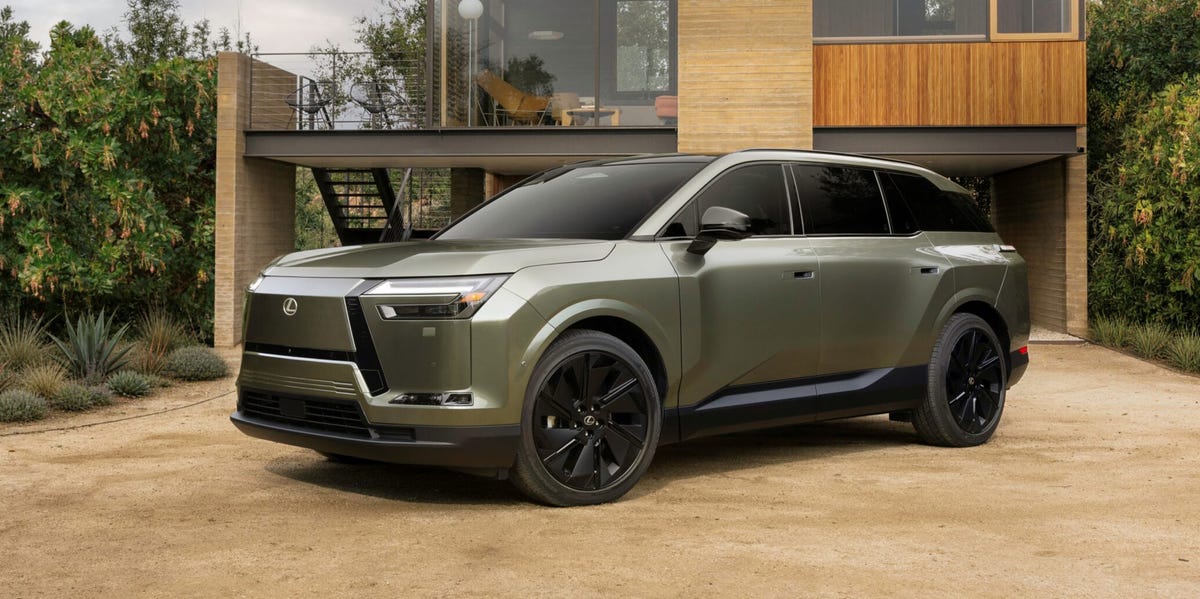


Lexus just revealed a three-row electric SUV it claims has one of the quietest cabins in the world—then gave it a button that pipes the shriek of the LFA’s legendary V-10 through the speakers. That tension tells you everything about where Lexus is in 2026: caught between the silence the future demands and the noise its loyalists still crave.
The 2027 TZ is the brand’s first three-row EV, built on the same platform underpinning the Toyota Highlander EV and Subaru Getaway. It shares its wheelbase with the Highlander but stretches two inches longer overall at 200.8 inches and sits slightly lower at 67.1 inches tall. The styling leans hard into angular aggression—Car and Driver likened it to Mandalorian armor, which sounds absurd until you look at the thing.
Underneath, buyers get a dual-motor all-wheel-drive setup as standard, the only powertrain available at launch. Two battery options are on the menu: a 77-kWh pack and a 96-kWh unit that Lexus says delivers roughly 300 miles of range depending on trim. Charging tops out at 150 kW, which puts a 10-to-80-percent fill at about 35 minutes.
That’s adequate, not impressive, in a segment where competitors are pushing well past 200 kW.
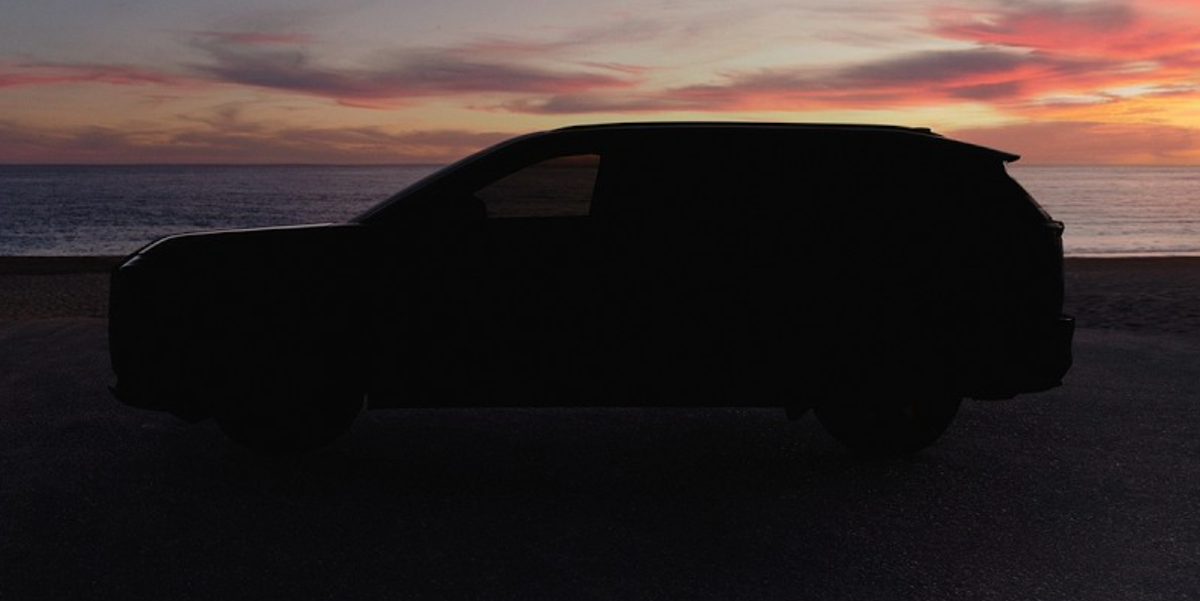
Lexus hasn’t disclosed horsepower figures for the TZ, which is an odd omission for a reveal event. But the corporate cousins offer a bracket: the Highlander makes 338 hp, the Getaway gets 420. Expect the Lexus to land north of 400 in its higher trims, positioning it as the performance play of the trio.
Inside, there are six seats, not seven—a deliberate choice that signals Lexus is chasing comfort density over headcount. First- and second-row seats are heated and ventilated, and both the second and third rows fold with a one-touch mechanism. Chief branding officer Simon Humphries called the cabin potentially the quietest SUV interior on the planet.
Bold claim. Unverified. But Lexus clearly spent engineering capital on noise suppression, which makes the simulated LFA exhaust note feature feel like a guilty pleasure the engineers couldn’t resist.
That LFA easter egg is the detail that will dominate the conversation, and Lexus knows it. The original LFA’s 4.8-liter V-10, tuned by Yamaha, produced one of the most celebrated engine notes ever bolted into a road car. Piping a digital recreation of it through an EV’s speaker system is either a loving tribute or a confession that electric propulsion still can’t stir the soul on its own. Probably both.
Toyota has absorbed years of criticism for dragging its feet on electrification, and the TZ is Lexus’s most direct answer to that charge. The platform is proven, the packaging is competitive, and the range clears the psychological 300-mile barrier. But a 150-kW charging ceiling and missing power specs at reveal suggest this is still a brand finding its footing in the EV space rather than one dictating terms.
The TZ is expected on sale by late 2026, with pricing still under wraps. It will compete against the BMW iX, Mercedes EQS SUV, and Cadillac Vistiq—all vehicles that have had time to establish themselves while Lexus figured out its electric strategy.
Three rows, 300 miles, and the ghost of a screaming V-10 living inside the dashboard. Lexus has built an EV that sounds exactly like a company trying to honor its past while sprinting toward a future it showed up late for.
Share this Story