
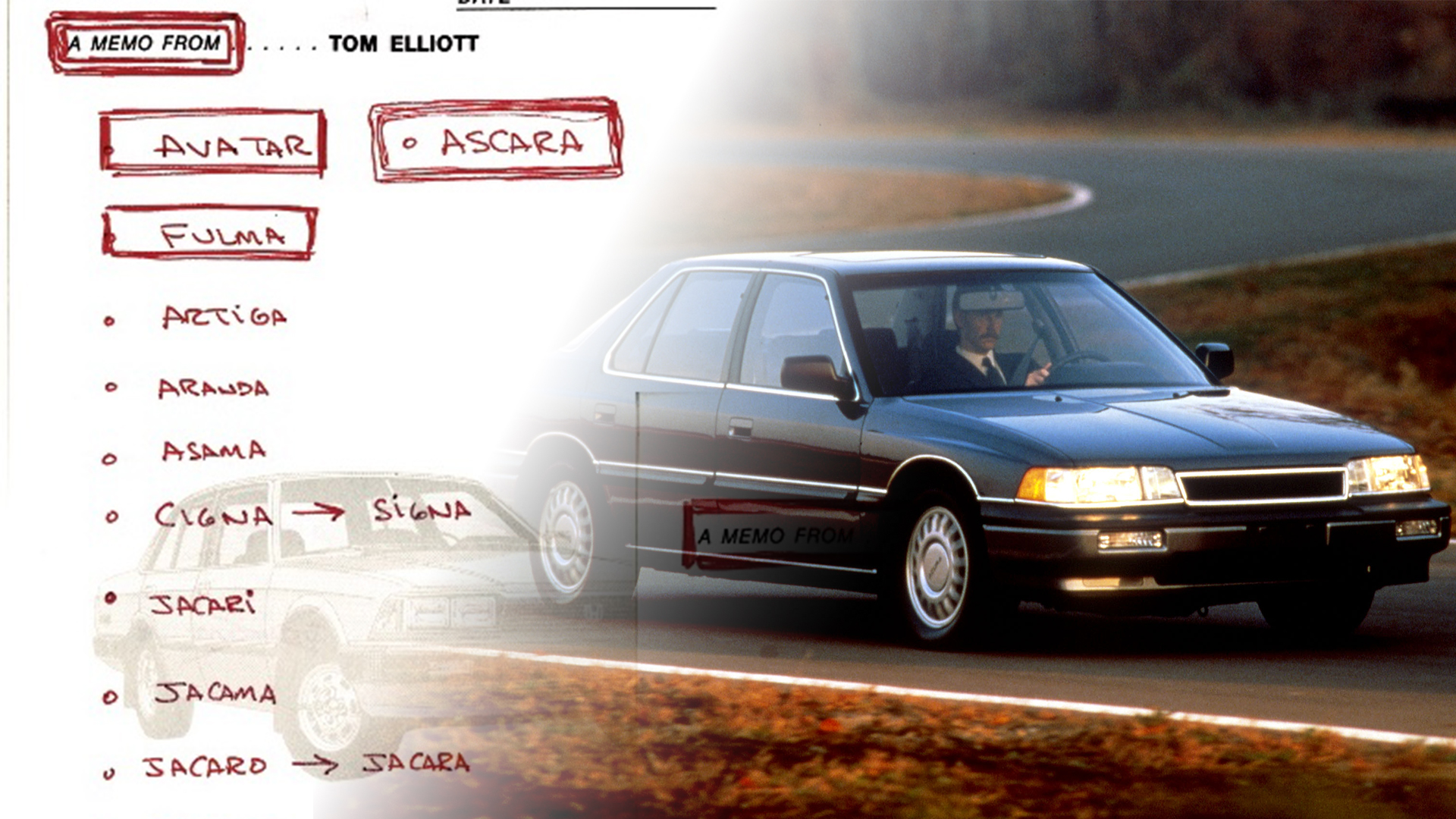


Honda’s luxury division could have shared its name with giant blue aliens. That’s the kind of bullet a brand dodges only once.
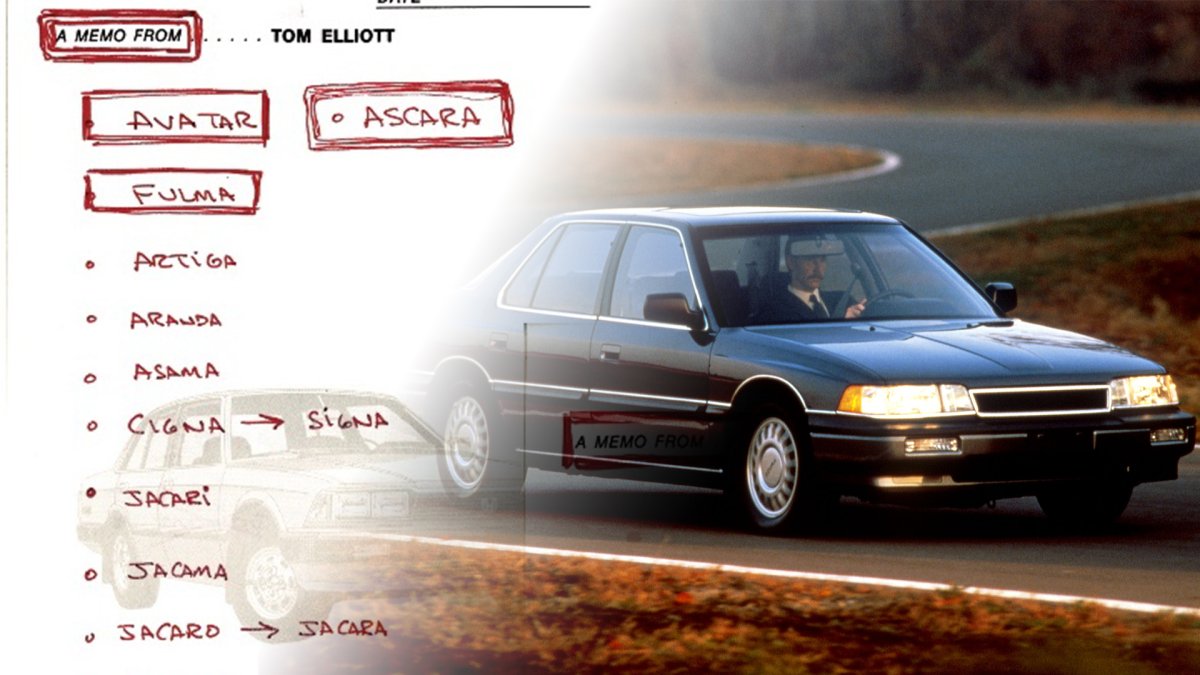
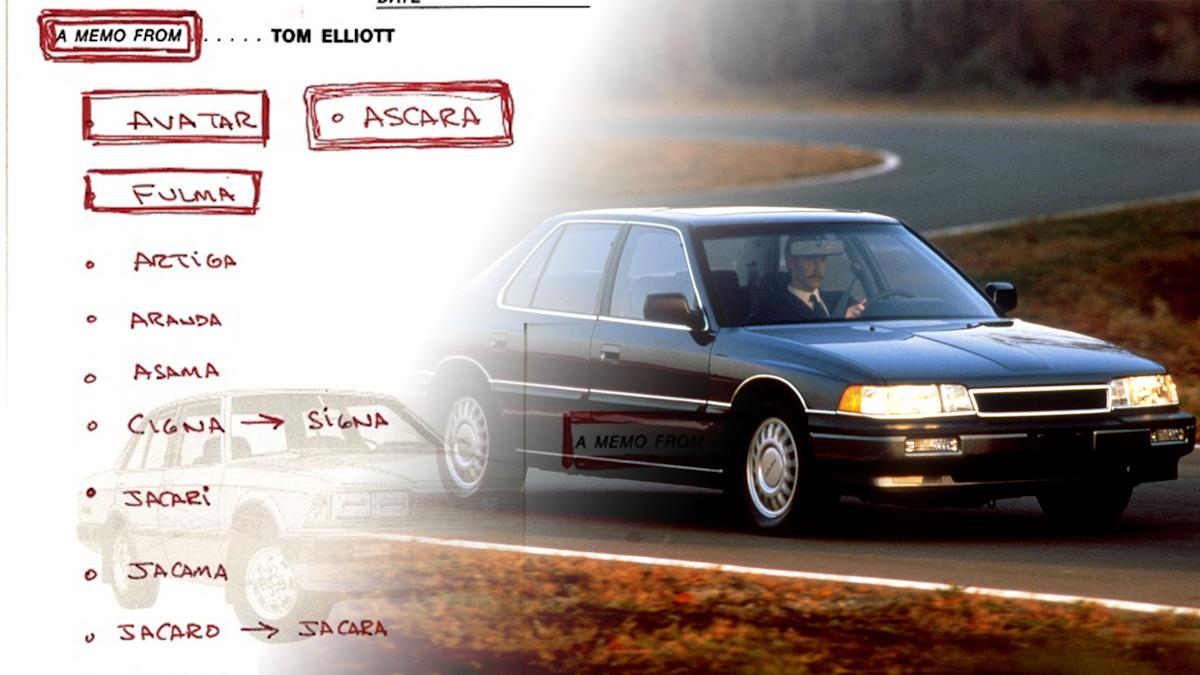
Acura is marking its 40th anniversary this year, and buried in the celebratory press materials is a fascinating artifact: the full list of rejected names that a San Francisco firm called NameLab pitched to Honda back in 1984. Avatar was on that list. So were Jacama, Artiga, Tucano, Fulmar, and a string of others that sound more like tropical birds than precision automobiles.
The internal codename for the project was Channel 2. Honda had publicly announced plans for a luxury brand on April 1, 1984, and the brief to NameLab was clear — the name had to embody precision and quality. What came back was a grab bag that included Ascara, Aranda, Asama, Cigna (or Signa), Jacari, Jacaro (or Jacara), and Tamano.
Also in the mix: Formula, a nod to Honda’s then-dominant Formula 1 engine program, and Jarama, which Lamborghini had already used for a largely forgotten grand tourer in the early 1970s.
They chose Acura, derived from the Latin “acu,” meaning precise or sharp. It echoed the English word “accurate.” It started with “A,” which allowed for a caliper-shaped badge that visually reinforced the precision message. It was, in retrospect, the only name on that list that could have survived four decades.
The naming exercise tells a bigger story about the era. In the mid-1980s, the prevailing wisdom held that Japanese automakers couldn’t sell expensive cars under their own names to status-conscious American buyers. Honda needed a mask. So did Toyota, which created Lexus, and Nissan, which launched Infiniti.
Acura beat them both to market, debuting on March 27, 1986, with a two-car strategy that none of its rivals initially matched — the flagship Legend and the more accessible Integra.
Racing followed almost immediately. Acura dropped the Integra into the IMSA International Sedan Series and won consecutive manufacturers’ and drivers’ championships from 1987 through 1990. That wasn’t decoration. It was identity. The brand built itself on the idea that precision engineering wasn’t just a tagline but something you could prove on a racetrack.
For the 40th birthday, Acura built a replica of that original Integra race car. It’s a sharp piece of nostalgia, and it quietly raises an uncomfortable question: does the brand still know what it wants to be?
Forty years is a long time. Acura’s early years were defined by clarity — affordable performance, engineering credibility, motorsport bona fides. The Legend and the original Integra weren’t just good cars; they were statements of purpose.
Somewhere along the way, that focus blurred. The current lineup is competent but lacks the kind of defining vehicle that made people care in the first place. Product plans remain murky, especially as the industry lurches toward electrification with no clear consensus on timing or consumer appetite.
The rejected names are a fun footnote. But they also serve as a reminder that Acura’s founding was an act of precision in itself — the right name, the right cars, the right moment. Honda didn’t fumble the launch. It nailed every detail, from the Latin etymology to the race program.
The harder question is whether that same decisiveness exists inside the company today. A brand that once moved with surgical clarity now seems to be hedging its bets, and at 40, hedging is not a strategy. It’s a symptom.
Acura got its name right. The next four decades depend on whether it can get everything else right, too.
Share this Story