


Stephan Winkelmann stood in the Sebring paddock and said something nobody expected from the CEO of a company that just killed its electric car: Lamborghini needs a grand tourer.
Not a sedan. Not a baby SUV. A two-door, 2+2 gran turismo — the exact body style that launched the brand in 1963 with the 350 GT, before anyone associated the name with scissor doors and Miami Vice fantasies.
“What was missing, or what is still missing, and what was at the beginning, the starting point of our company, is a gran turismo,” Winkelmann told reporters at the 12 Hours of Sebring. “So the idea is a two-door 2+2 gran turismo.”
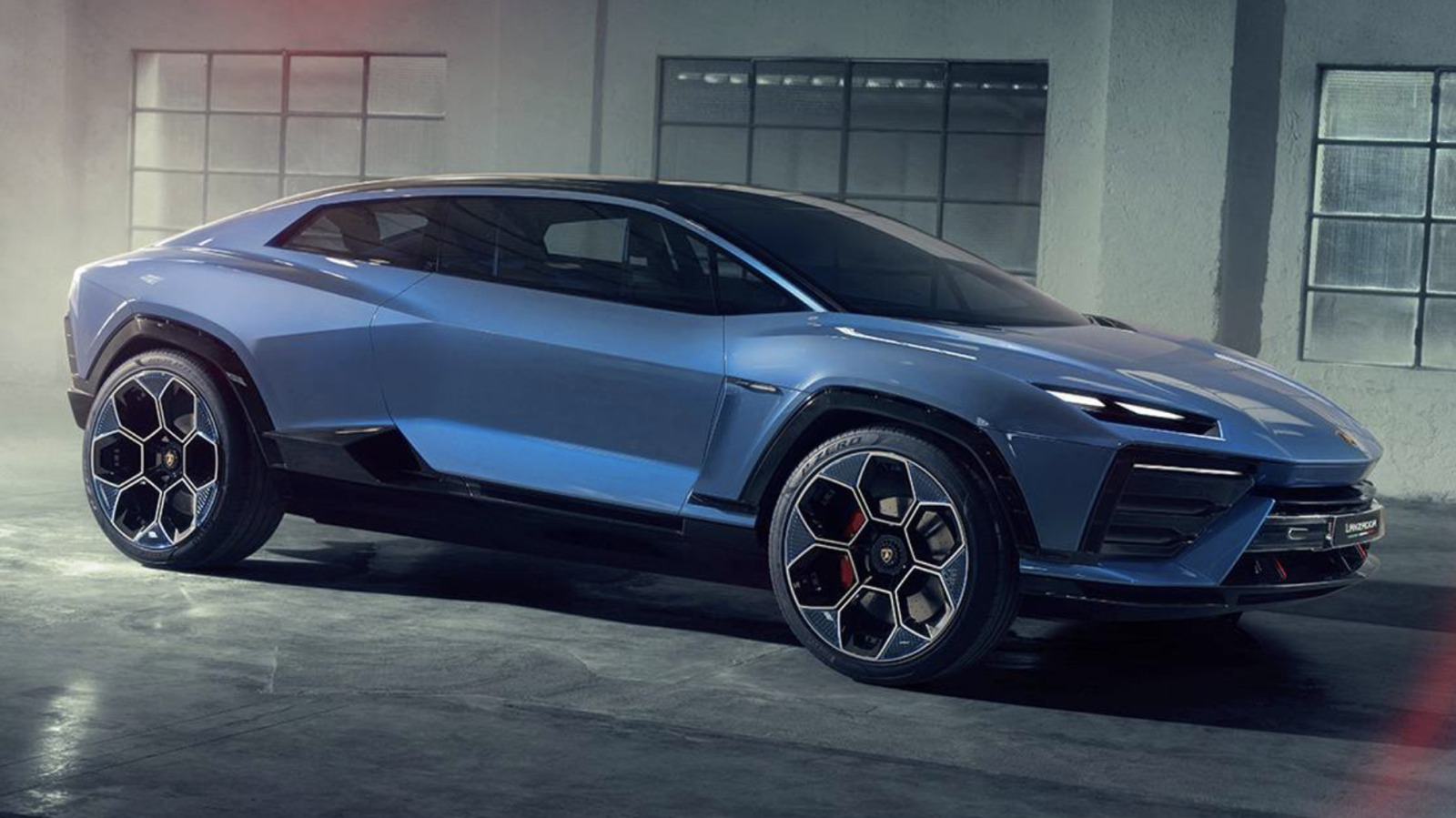
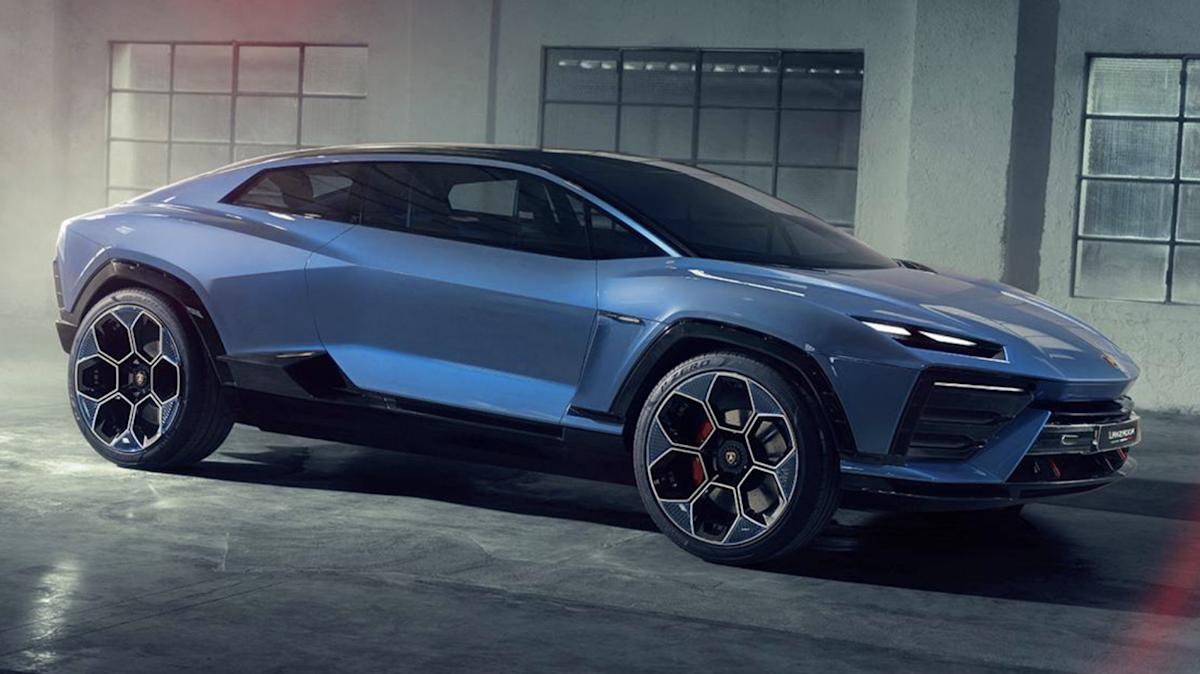
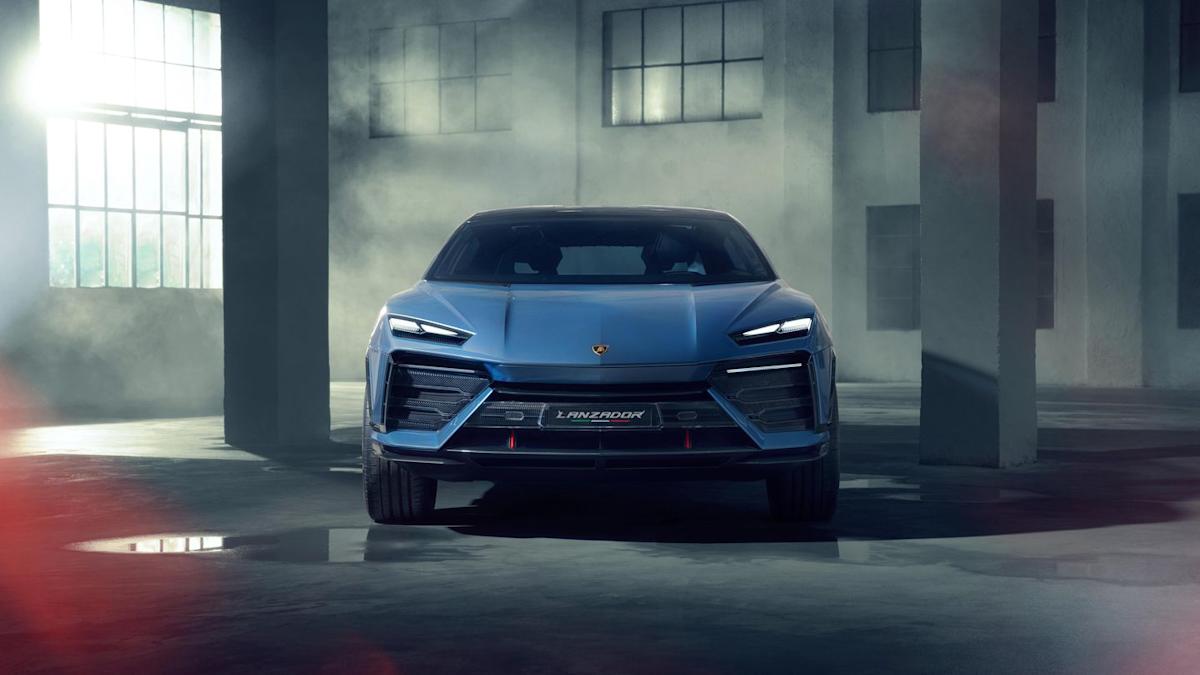
The timing is telling. Just weeks earlier, in February, Lamborghini pulled the plug on the Lanzador, the all-electric four-seat concept unveiled in 2023 that was supposed to be the company’s bold leap into battery power. Winkelmann described the EV target market as “close to zero.” Now he’s pivoting that fourth model slot toward something with a combustion engine and a longer hood.
The Lanzador concept showed up with SUV-like ride height, black plastic cladding, and a coupe roofline — a familiar recipe in today’s market. But Winkelmann’s new language suggests the production car could sit considerably lower, with proportions closer to a traditional GT than a jacked-up crossover. That’s a meaningful shift from what the concept promised.
Winkelmann was methodical about what he ruled out. A compact SUV would cannibalize the Urus, which remains Lamborghini’s volume king. A sedan made no strategic sense either.
If you sell a sedan, you sell almost only long-wheelbase cars, which are not looking that good on our type of cars,” he said. That’s a polite way of saying Lamborghini has no business building a limousine.
The company flirted with both ideas before. The Estoque sedan concept surfaced in 2008 and went nowhere. The Asterion hybrid GT concept appeared in 2014 and also died on the show stand. Lamborghini has been circling this segment for over a decade without committing.
This time feels different, if only because the rest of the lineup has matured enough to justify it. The Revuelto and Temerario are proper supercars — violent, uncompromising, not built for crossing continents. The Urus SE handles grand touring duties by default, but it weighs nearly three tons and shares a platform with the Porsche Cayenne.
There’s a gap between the SUV and the mid-engined screamers that a front-engined, long-legged coupe could fill perfectly.
If it arrives as expected before decade’s end — likely around 2029 — this GT would almost certainly carry a plug-in hybrid powertrain. Lamborghini wants its entire range electrified by 2030, and Winkelmann has repeatedly pledged to keep internal combustion alive “for as long as possible.” A PHEV grand tourer threads that needle.
It would also be the first front-engined, non-SUV Lamborghini since the Espada ceased production in 1978. Nearly half a century.
The competitive set is formidable: Ferrari Roma, Aston Martin DB12, Bentley Continental GT, Mercedes-AMG GT 63 S E Performance. Every one of those cars prints money for its manufacturer. Every one attracts buyers who want speed without spinal damage.
Winkelmann hasn’t abandoned the idea of a pure EV entirely. He told Road & Track that Lamborghini is “continuing to work on the EV idea” and wants “to be ready when the time comes,” though he emphasized that won’t happen before 2030. The batteries can wait, but a fourth revenue stream cannot.
Lamborghini built its legend on the Miura and Countach. But Ferruccio Lamborghini built his company on elegant, front-engined grand tourers meant to eat miles, not apexes. Sixty-three years later, his successor is finally circling back to the original formula — with a hybrid battery where the spare tire used to be.


Share this Story