
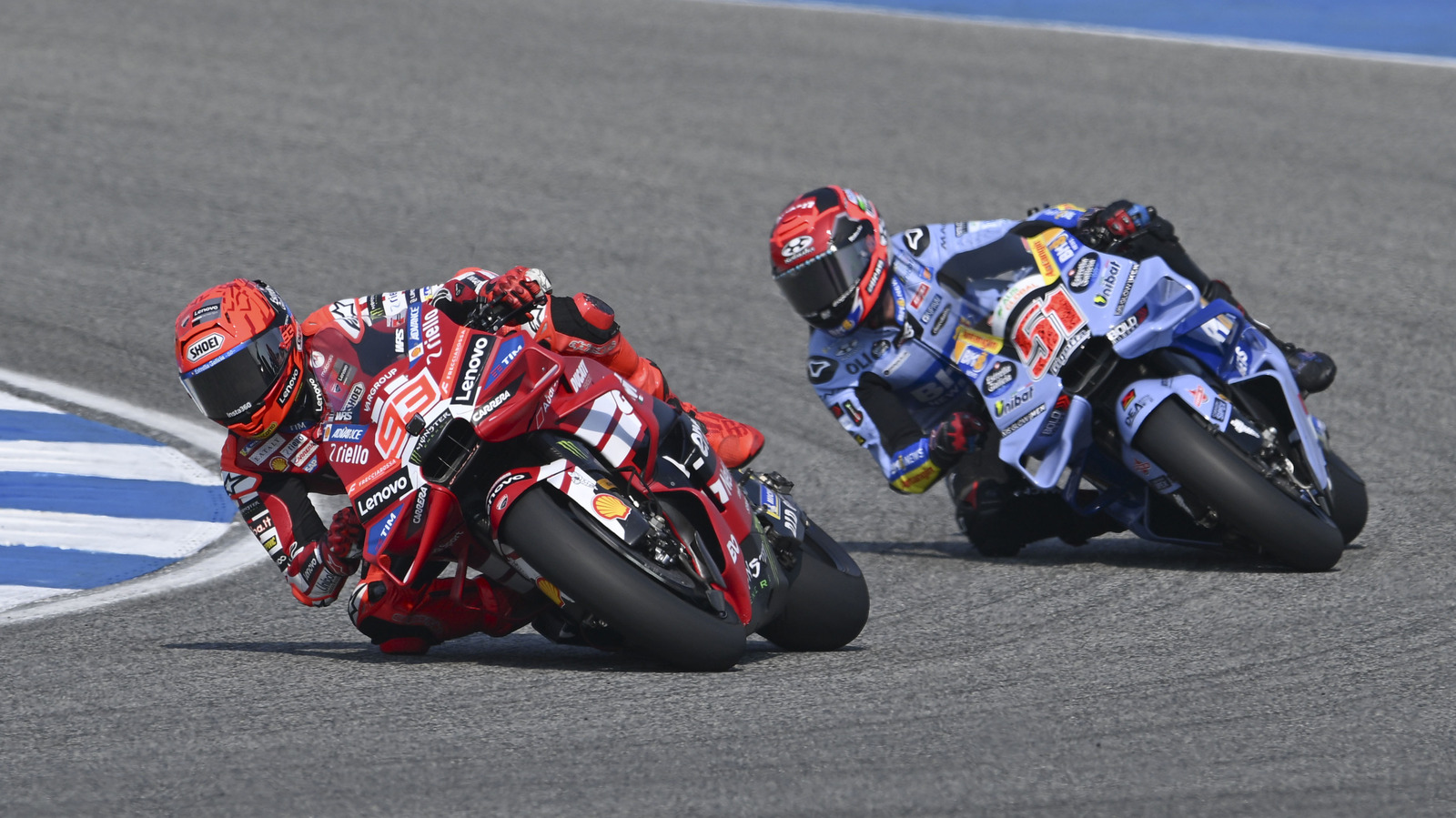


Imagine risking your life every other weekend on a 220-mph motorcycle, competing for a world championship broadcast to millions, and getting paid $36,000 a year. That’s been the reality for some MotoGP rookies, according to veteran rider Jack Miller. But that disgrace might finally be coming to an end.
MotoGP Sports Entertainment, the series’ commercial rights holder, is reportedly close to locking in a minimum salary of €500,000 — roughly $588,000 — for all riders starting as soon as 2027. The proposal was discussed this week during a meeting of the Motorcycle Sports Manufacturers Association and would be embedded into a new five-year commercial agreement between MotoGP SE and the teams.
The figure wouldn’t include performance bonuses, which are standard across the paddock. It’s purely a floor. And for a sport that sold its commercial rights for $4.2 billion last year, the fact that this floor didn’t already exist is staggering.
The roots of this fight trace back to 2023, when MotoGP unilaterally introduced half-distance sprint races at every round without so much as a heads-up to the people actually doing the racing. Overnight, the number of competitive sessions doubled. Pay stayed the same. Riders were furious.
MotoGP had a Safety Commission, theoretically a forum for competitors to voice concerns. But riders felt ignored and started skipping meetings altogether. The frustration boiled over into serious discussions about forming an independent riders’ association — a proper union with teeth.
The group even identified a leader: Sylvain Guintoli, a former MotoGP rider turned TV analyst. But the effort stalled on an almost comically basic problem — figuring out how to pay Guintoli to run the thing. The union never materialized, but the anger behind it didn’t go away.
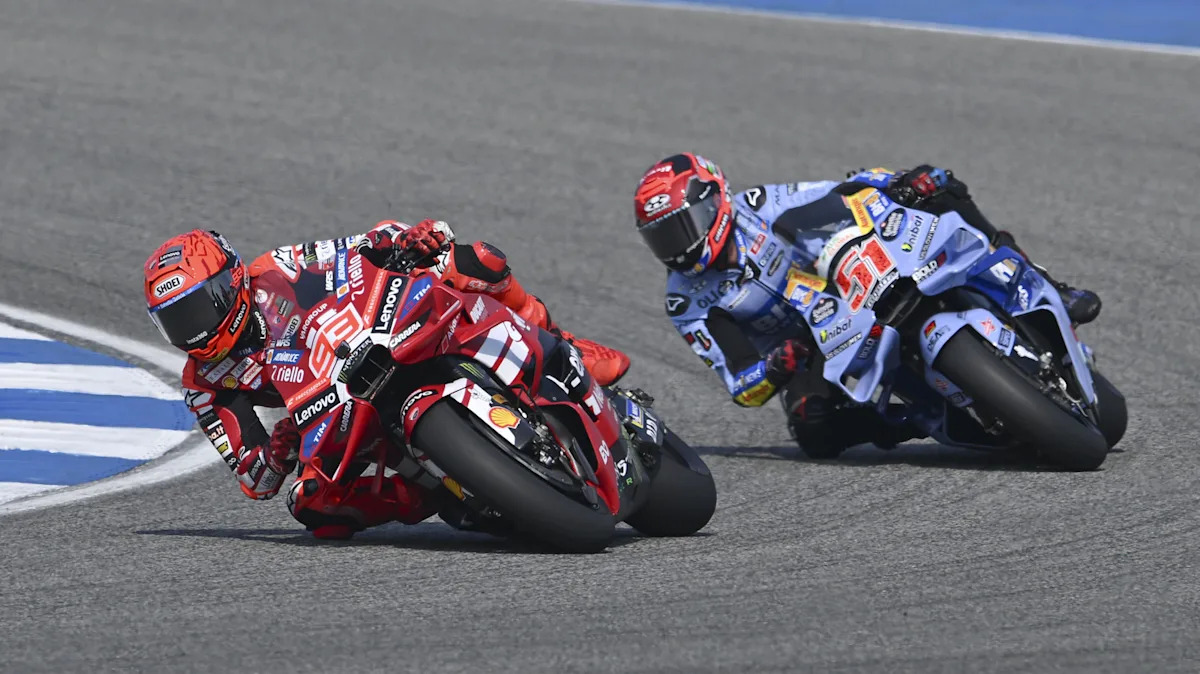
Miller put the issue in stark terms last year when he revealed that some rookie contracts were offering as little as $36,000. That’s not a typo. Thirty-six thousand dollars to race a prototype motorcycle at speeds that would liquefy most people’s courage.
These aren’t weekend club racers. They’re elite athletes at the pinnacle of two-wheeled motorsport.
For context, the minimum salary for a first-year NFL player is $840,000. An NFL rookie sitting on the bench holding a clipboard earns more than some MotoGP riders who are literally putting their bodies on the line in front of a global television audience.
If the deal goes through, MotoGP would become the first international racing championship to mandate a minimum salary. Formula 1 doesn’t have one. Neither does the World Endurance Championship or World Superbikes. That’s a notable distinction, even if the amount itself seems modest given the sport’s revenues and risks.
It also highlights a broader dysfunction. Formula 1 has had the Grand Prix Drivers’ Association representing competitors for decades. MotoGP riders have had nothing comparable — no collective voice, no formal mechanism to push back when the series makes decisions that directly affect their livelihoods and safety.
A $588,000 floor won’t make anyone rich. It won’t put MotoGP riders on par with their F1 counterparts, where even pay drivers typically bring enough sponsorship to cover seven-figure salaries. But it would eliminate the most exploitative end of the spectrum, where young riders desperate for a grid slot accept poverty wages to chase their dream.
The deal isn’t done yet. It still needs to be finalized within the broader commercial agreement between MotoGP SE and the teams. But the momentum is there, and after years of simmering resentment, riders are closer than ever to securing a basic financial guarantee.
It shouldn’t have taken this long. But for a sport that doubled its race calendar without asking the people who actually do the racing, progress of any kind feels overdue.


Share this Story