
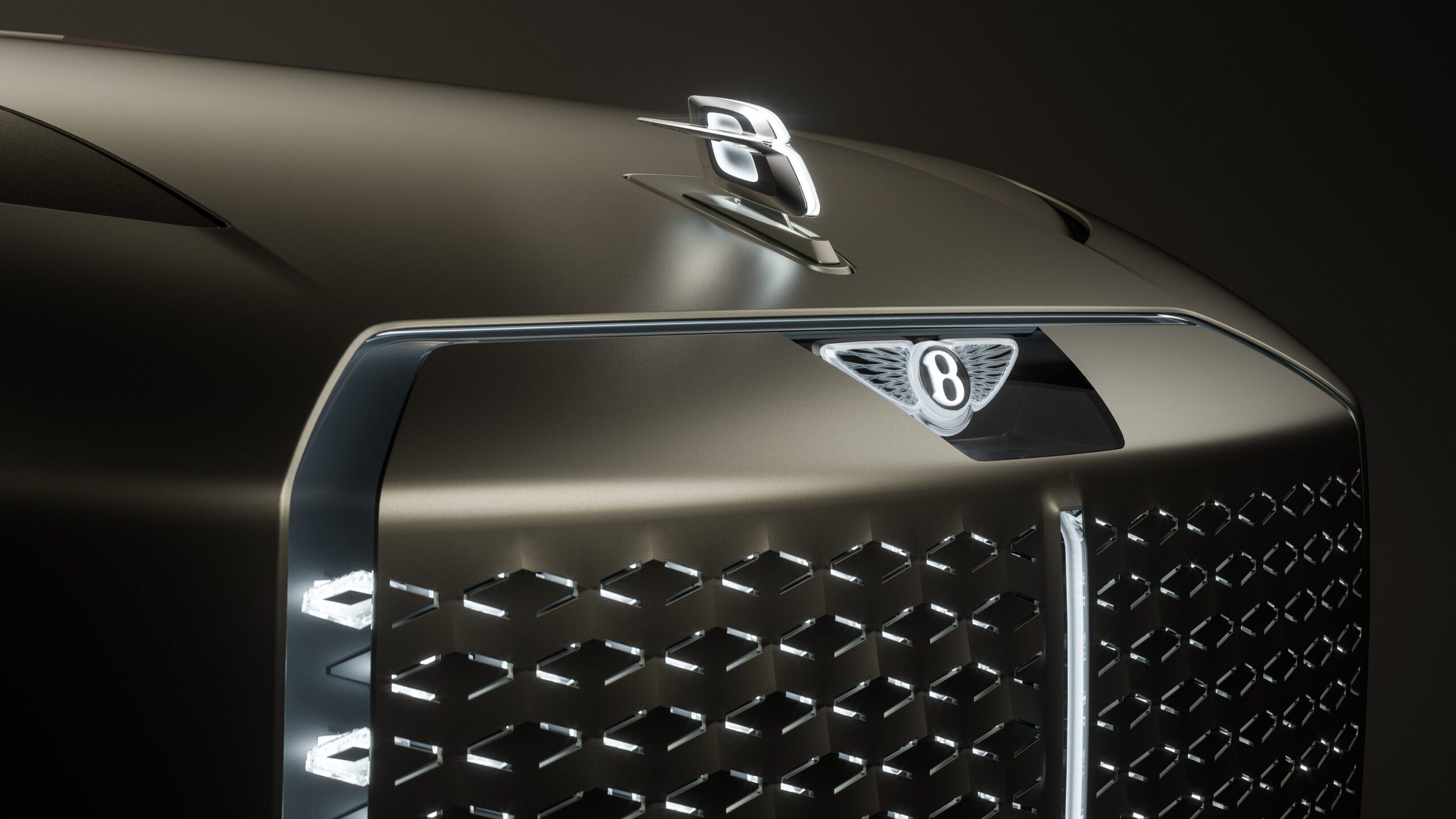


Volkswagen Group just killed the platform Bentley was counting on to build its electric future. That single decision wiped out plans for an electric sedan and potentially other battery-powered models, leaving the Crewe-based brand with exactly one EV before 2030 and a whole lot of plug-in hybrids to fill the gap.
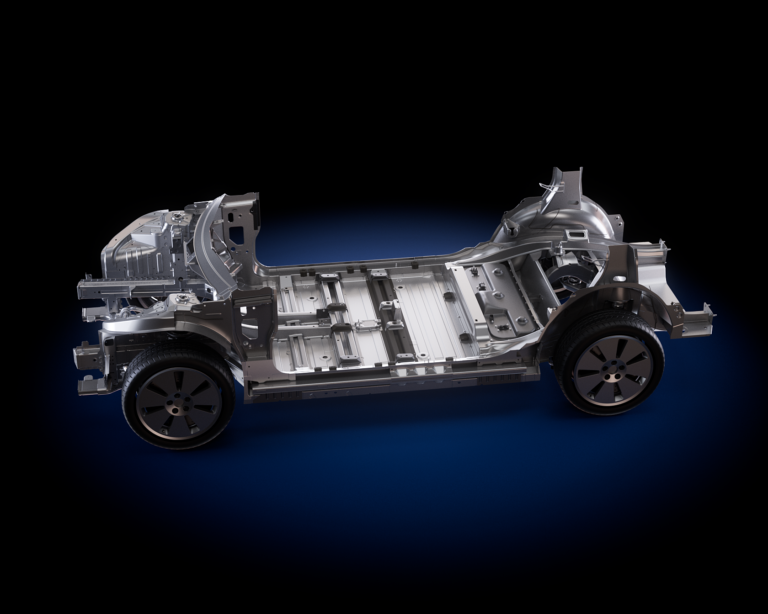
CEO Frank-Steffen Walliser confirmed the damage during a media briefing on Bentley’s 2025 financial results. VW Group’s Scalable Systems Platform, known as SSP, has been scrapped because it’s “not viable anymore.” That platform was supposed to underpin multiple future Bentley EVs. Now those cars simply don’t exist on any timeline.
The lone survivor is Bentley’s first-ever electric model, an SUV-shaped vehicle riding on VW’s Premium Platform Electric architecture — the same bones underneath the Porsche Cayenne EV. It will be revealed before the end of this year and go on sale in early 2027. Bentley says it can add 100 miles of range in seven minutes. After that? Nothing electric until at least 2030.
Walliser was blunt about the EV’s standalone status. There are no plans to offer it with an internal-combustion backup or plug-in hybrid option. “It’s not feasible, and it’s not part of our strategy,” he said.
The strategy that is feasible, apparently, involves combustion engines for years to come. Bentley will put plug-in hybrid powertrains into its next-generation lineup, following the path already laid by the Continental GT and Flying Spur PHEVs. The next-gen Bentayga, Bentley’s bestseller, will get a new PHEV setup too, though it won’t debut until 2028 at the earliest.
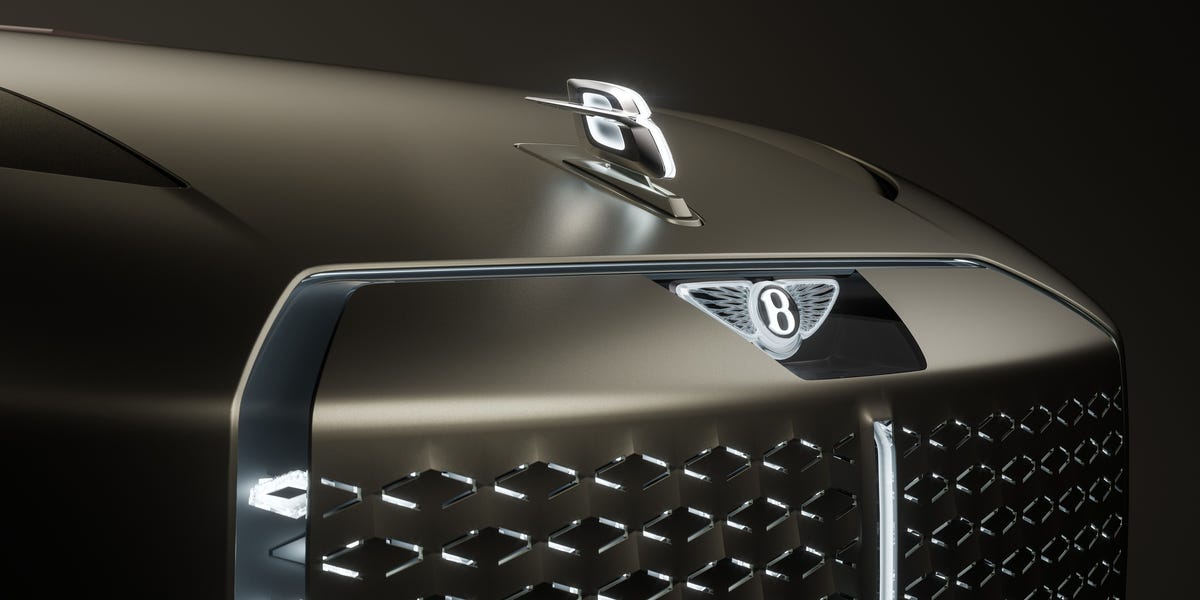
In a move that would have seemed unthinkable three years ago, Walliser said exclusive gas-powered models are back on the table. Customers, he noted, have shown “renewed interest” in pure combustion cars.
Deliveries dropped 5 percent in 2025 compared with the prior year, but Bentley still posted its seventh consecutive year of profitability. The Bentayga Speed, recently introduced, is pulling buyers despite the aging platform underneath it.
This is a company that once promised to go fully electric by 2030 under its Beyond100 strategy. That target has been quietly shoved past 2035. The Ultra Performance Hybrid V8 that replaced the legendary W12 — producing 771 horsepower in the Continental GT Speed — is now the centerpiece of Bentley’s near-term identity, not a stopgap.
The competitive picture is telling. Rolls-Royce already has the Spectre on roads worldwide. Aston Martin is pushing its own hybrid offensive. Bentley’s projected EV, with an estimated price north of $350,000 and promised output exceeding 850 horsepower, will enter a market where rivals have had years to work out their electric kinks.
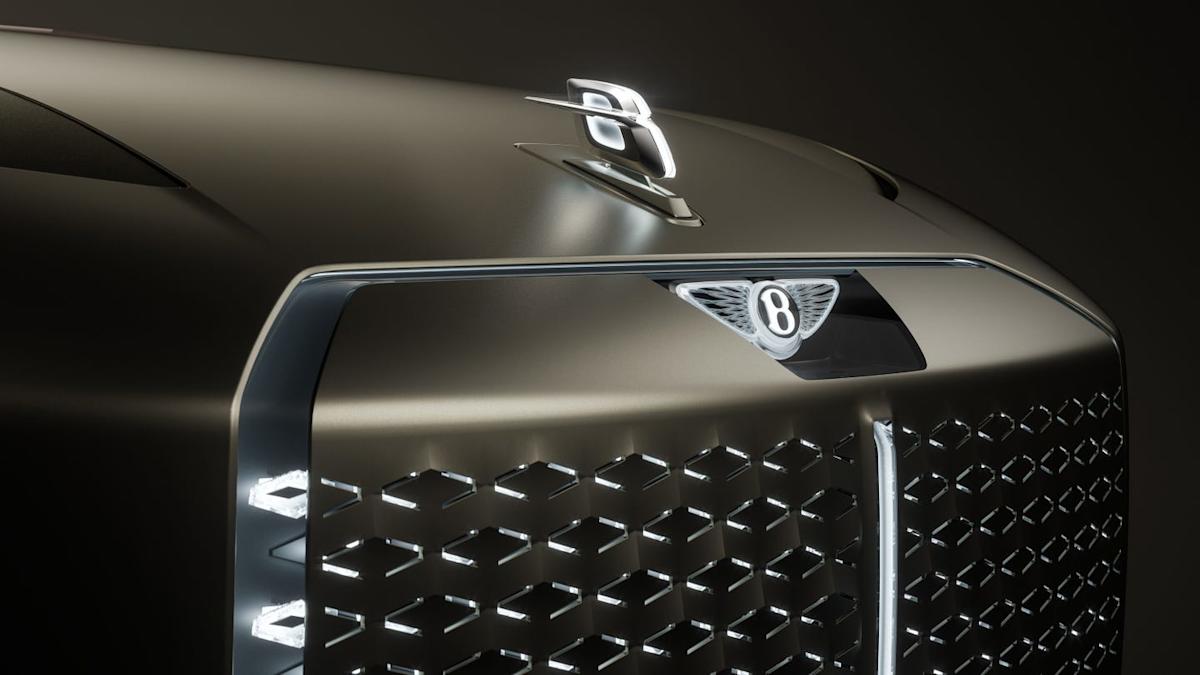
VW Group’s platform chaos is the root cause here, not a lack of ambition from Crewe. SSP was supposed to be the foundation for the next generation of premium and luxury EVs across the entire group. Its cancellation sends shrapnel into every brand that was building plans around it. Bentley just happens to be the most exposed casualty, a low-volume luxury house with no independent EV architecture to fall back on.
So Bentley finds itself in the peculiar position of launching a single electric car into a skeptical market while simultaneously reviving interest in gasoline. The Continental GT Speed hybrid outsells what any reasonable analyst projected. Customers are voting with their wallets, and the ballots say combustion still wins at six-figure price points.
One EV this decade. Hybrids everywhere else. Gas back from the dead. Three years ago, Bentley’s electrification roadmap looked like a straight highway. Now it looks like a British country lane — narrow, winding, and headed somewhere nobody originally planned.
Share this Story