
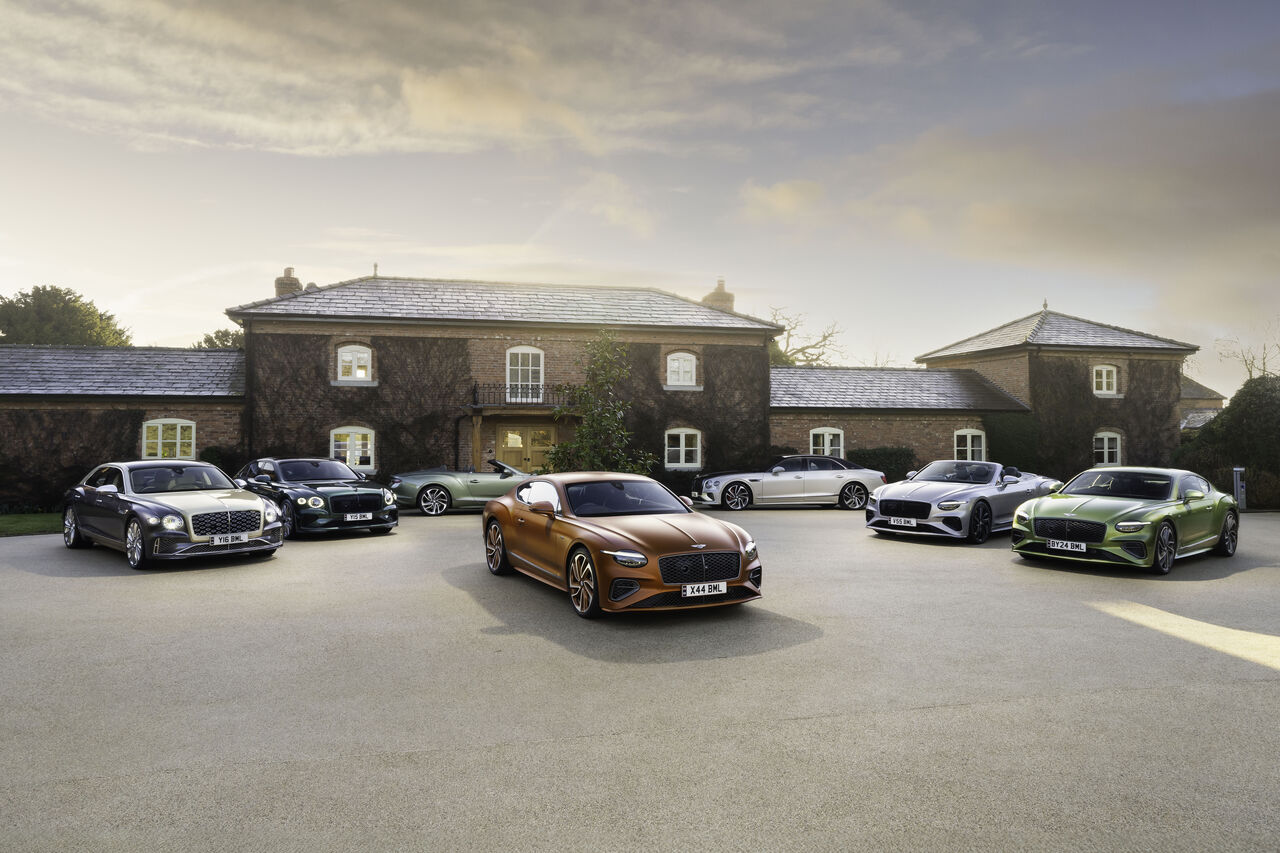


Seven consecutive years of profitability. A €216 million operating profit. A BEV assembly line nearly finished at the historic Pyms Lane factory. And 275 people who are about to lose their jobs.
That’s the dissonance at the heart of Bentley’s 2025 financial results, released Monday from Crewe. The ultra-luxury automaker is simultaneously celebrating its longest sustained run of black ink while preparing to gut a chunk of its non-manufacturing workforce in the name of “long-term competitiveness.”
Revenue came in at €2.6 billion, down just one per cent despite a five per cent decline in customer deliveries. China, predictably, was the drag. But Bentley offset weaker volume with a now-familiar playbook: richer model mix, disciplined pricing, and the relentless upsell of Mulliner bespoke content.
Fewer cars out the door, more money per car. It’s the luxury math that keeps working until it doesn’t.
The Bentayga remains Bentley’s volume anchor, with the Speed variant rolling into key markets late in the year. The fourth-generation Continental GT and Flying Spur, both carrying new V8 hybrid powertrains, leaned into Speed and Mulliner trims where margins are fattest. And the Supersports, unveiled in New York, is already fully allocated before first deliveries have even begun.
So the revenue story is solid. The profit story requires more squinting.
That €216 million operating result, good for an 8.3 per cent margin, was “significantly affected” by the Volkswagen Group’s decision to kill a D-segment platform, plus U.S. tariff exposure and unfavorable currency swings. Bentley calls these “non-recurring” and “external.” Translation: the underlying number is better than the headline, but Bentley can’t fully control what VW Group decides to build or scrap, and it can’t wish away tariffs.
The job cuts land in the indirect, non-manufacturing ranks. CEO Frank-Steffen Walliser framed them as organizational adjustments necessary to prepare for electrification and future product launches. He expressed “sincere appreciation” to those affected. The affected employees will need more than appreciation.
This is the tension no luxury automaker has fully resolved. Bentley is spending at “unprecedented levels” to transform Pyms Lane. A new Design Centre opened last July, the A1 building conversion for BEV assembly is nearly complete, and a new Paint Shop offering close to 100 individual colors opens later this year. All of it self-funded, all of it aimed at an electric future that hasn’t arrived yet and keeps getting more expensive to prepare for.
The Beyond100+ strategy demands that Bentley electrify while keeping margins high enough to pay for electrification. The bespoke pipeline and Speed derivatives are doing the heavy lifting right now. But the BEV transition requires factory infrastructure, new supply chains, and the kind of engineering investment that eventually shows up on the balance sheet whether you call it “non-recurring” or not.
Finance chief Axel Dewitz said the results “give us confidence that Bentley’s financial foundation is solid.” He also pointedly noted the “need to continue to invest.” Confidence and need are doing a lot of work in that sentence.
Bentley’s commitment to UK manufacturing is real. The Crewe site transformation is tangible, physical, happening. But transforming a 107-year-old factory into a BEV production facility while maintaining profitability, absorbing VW Group platform decisions, navigating tariff headwinds, and managing a contracting Chinese market is not a victory lap. It’s a balancing act.
Seven years of profit is genuinely impressive for a low-volume luxury manufacturer operating inside a sprawling German conglomerate. The question is whether year eight can hold together when the BEV investment peaks, the workforce is leaner, and the cars coming off that new assembly line have to justify every euro spent building it.
The Supersports is sold out. The Paint Shop can mix 100 colors. And 275 people in Crewe are updating their CVs.

Share this Story