
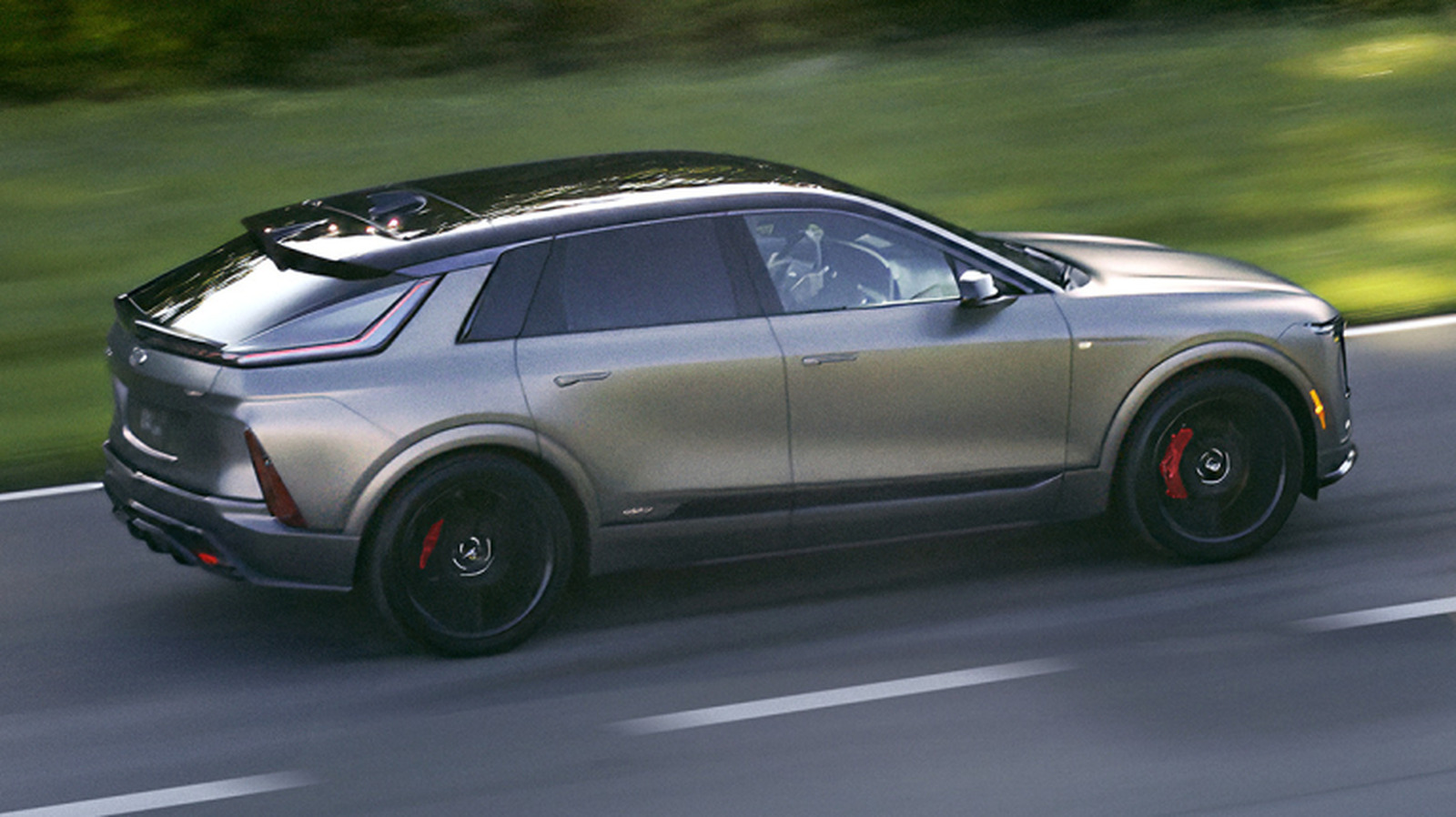


Death rides quiet now. Cadillac is building a hearse out of the Lyriq, its flagship electric crossover, marking the first time GM’s luxury division has offered a fully battery-powered platform to the funeral coach industry. The 2027 Cadillac Lyriq Coachbuilder Funeral Hearse replaces the gas-powered XT5 as the brand’s professional vehicle of choice.
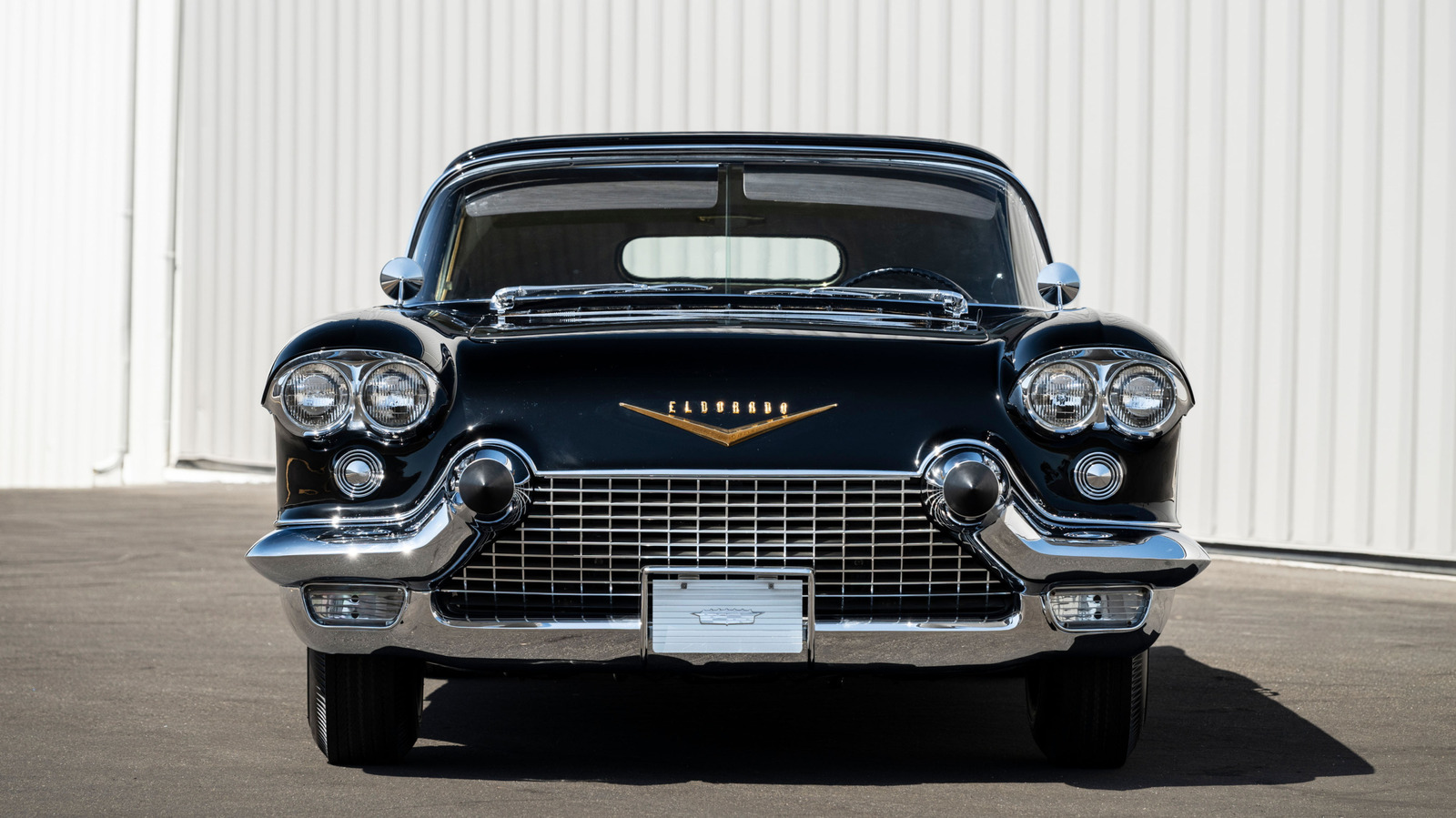
For decades, Cadillac has owned the American hearse market the way Kleenex owns tissues. The XTS before it, and the DTS before that — long, black Cadillacs have carried the dead in this country since the postwar era. Switching to an electric platform isn’t just a powertrain change. It reshapes the entire character of the final ride.
The Lyriq hearse will come exclusively in rear-wheel drive, with equipment roughly matching the Luxury and Sport trims of the consumer model. The spec sheet reads like someone went through with a red pen and crossed out anything that didn’t make sense for a vehicle whose rear passenger will never complain.
Super Cruise? Gone. Active noise cancellation? Deleted. Rear cross-traffic braking, reverse automatic braking, and blind-spot assist are all absent. The logic is cold and practical: this vehicle runs slow, deliberate routes planned to the minute. It doesn’t need a highway hands-free system or parking lot collision avoidance.
What it does get is curious. The SkyGlass fixed glass roof — a feature only standard on the 500-horsepower Lyriq-V in the consumer lineup — comes standard on the hearse. Sunlight flooding a casket compartment is apparently a design priority.
The hearse also rolls on exclusive 20-inch aluminum wheels not offered on any other Lyriq variant, giving coachbuilders a distinct visual foundation before they even start cutting sheetmetal.

Charging is where Cadillac tips its hand on how it expects these vehicles to be used. The hearse gets only the base 11.5 kW AC onboard charger. The optional 19.2 kW unit available on consumer Lyriqs isn’t offered. That’s a deliberate signal: funeral homes will plug these in overnight and drive them on short, local processions. Nobody’s road-tripping a hearse.
No photos exist yet, and that’s where the real intrigue lies. The standard Lyriq has a distinctive rear end — a sharply angled D-pillar and a fastback silhouette that tapers aggressively. A hearse demands length, flat rooflines, and an extended cargo area behind the rear axle. Coachbuilders will have to reconcile Cadillac’s sculpted design language with the blunt functional requirements of a casket compartment.
That engineering puzzle is far more complex than stretching an XT5 wagon.
Cadillac isn’t treating the Lyriq as a niche experiment anymore. When you put your nameplate on a hearse, you’re declaring the platform mature enough for the most conservative, tradition-bound customers in the automotive world. Funeral directors don’t take risks. They buy what works, what looks right, and what their clients expect.
The fact that Cadillac is confident enough to hand the Lyriq platform to coachbuilders — professionals who will literally saw the vehicle apart and rebuild it — says more about where GM’s Ultium architecture stands than any press conference ever could. If the platform can handle that kind of surgical modification and still deliver reliable, silent, dignified service, it can handle anything.
Pricing and a production timeline haven’t been announced. Neither has the one variant that would truly turn heads at the cemetery gates: a Lyriq-V hearse. Five hundred horsepower seems excessive for the occasion, but then again, going out in style has always been the point.

Share this Story