
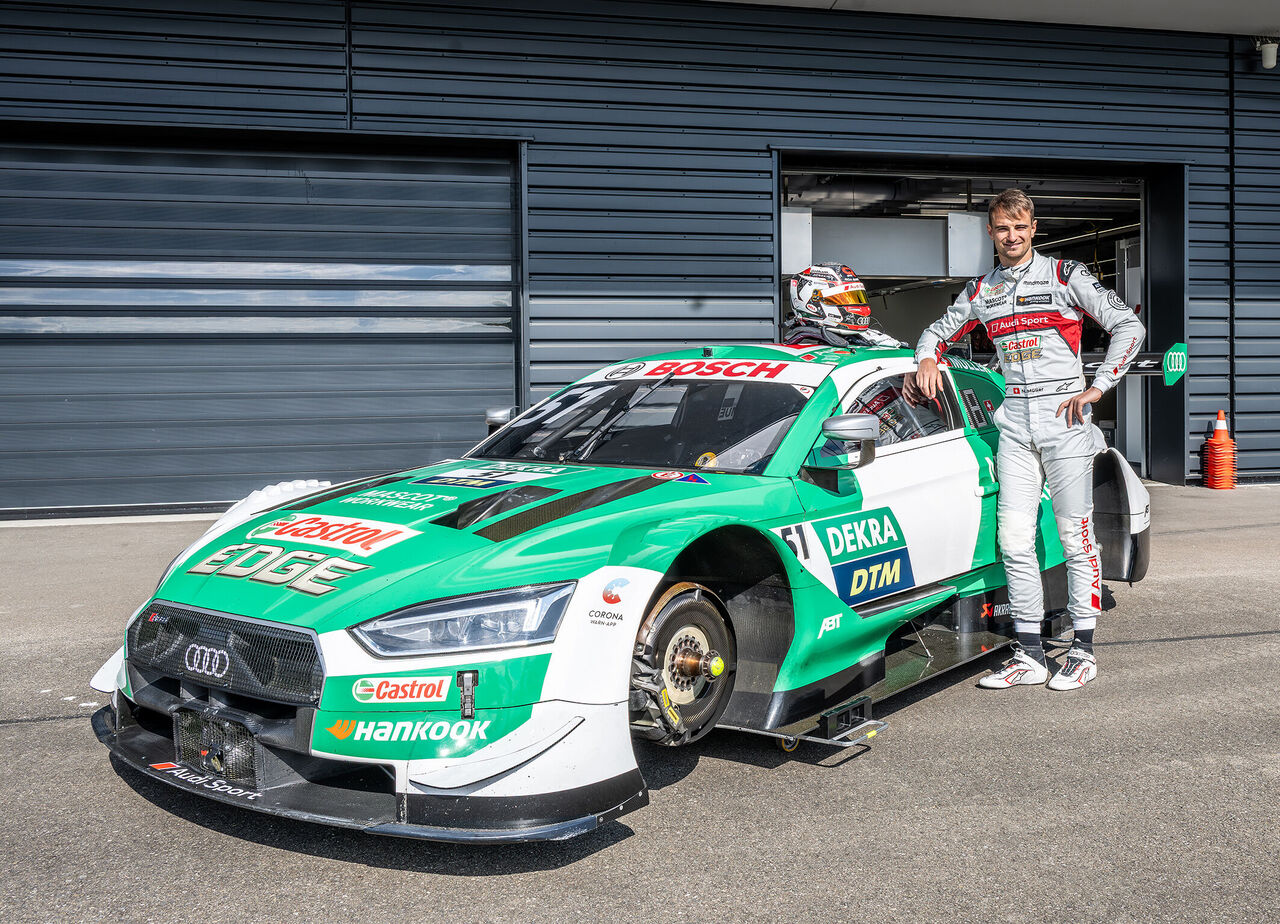


An Audi R18 e-tron quattro from 2013 and three Class 1 DTM cars have already changed hands in less than a year, and Ingolstadt says demand is outstripping supply. That’s the current state of Audi Sport racing legends, a program launched in 2025 that turns the brand’s mothballed competition department into a boutique dealership for factory-prepped race hardware.
The waiting list is real. Rolf Michl, Managing Director of Audi Sport GmbH, admits the program is experiencing delivery delays because mechanics and engineers can only turn out rebuilt prototypes and touring cars so fast. Plans to prepare and sell further machines already stretch past the end of 2026.
This is a company that walked away from the World Endurance Championship after 2016 and exited DTM factory racing after 2020. Now it’s monetizing the leftovers — and finding that the appetite for them is fierce.
The timing isn’t accidental. A new racing series called CLASS ONE Revival, catering to Class 1 touring cars built between 1993 and 2020, has lit a fire under the historic motorsport scene this season. That series created a destination for these machines and, by extension, a reason to buy one. Audi project manager Florian Mair says customer interest flows directly to the factory. Three of the four events on Audi Sport racing legends‘ 2026 calendar are CLASS ONE Revival rounds.
At ADAC Hockenheim Historic in May, Audi will roll out a full factory-style presence — race truck in the paddock, multiple cars on display, and two RS 5 DTMs entered in competition. One of them, chassis 114, will be driven by Nico Müller himself. The Swiss driver finished runner-up in the DTM championship in both 2019 and 2020 in that exact car. Having the original pilot behind the wheel is a smart piece of provenance theater, the kind of thing that makes collectors reach for their checkbooks.
Le Mans Classic comes next, running July 2 through 5. The event has switched from a biennial to an annual format starting this year, alternating between heritage cars from 1923 to 1974 and legend-era machines from 1975 to 2015. Audi will display both the R18 e-tron quattro and the R10 TDI — two diesel-powered prototypes that dominated the Sarthe across nearly a decade.
The Nürburgring’s Belmot Oldtimer Grand Prix in August and the Red Bull Ring Classics at month’s end round out the schedule. Three countries, four events, maximum visibility in front of exactly the audience most likely to write a seven-figure check.
There’s something quietly revealing about this entire operation. Audi has no current factory motorsport program of its own — the promised Formula 1 entry with Sauber remains in development for 2026. In the meantime, the brand’s most tangible connection to competition comes from selling the machines that made its reputation in the first place.
The collector car market has shifted. Blue-chip race cars with documented factory provenance, original liveries, and proper rebuild histories now command premiums that would have seemed absurd a decade ago. Audi is sitting on a vault of exactly that kind of material. LMP1 cars, Class 1 DTMs, all with full factory documentation and the engineering team to back them up.
The program also provides something less tangible but arguably more valuable: relevance. While Audi prepares for its F1 future, these old warriors keep the four rings visible at circuits across Europe. They’re surrounded by the kind of passion and noise that press releases about sustainability targets simply cannot generate.
The fact that demand already exceeds what the workshop can produce tells you everything about where this program is headed. Audi found a revenue stream hiding in its own museum. Don’t expect them to slow down.
Share this Story