
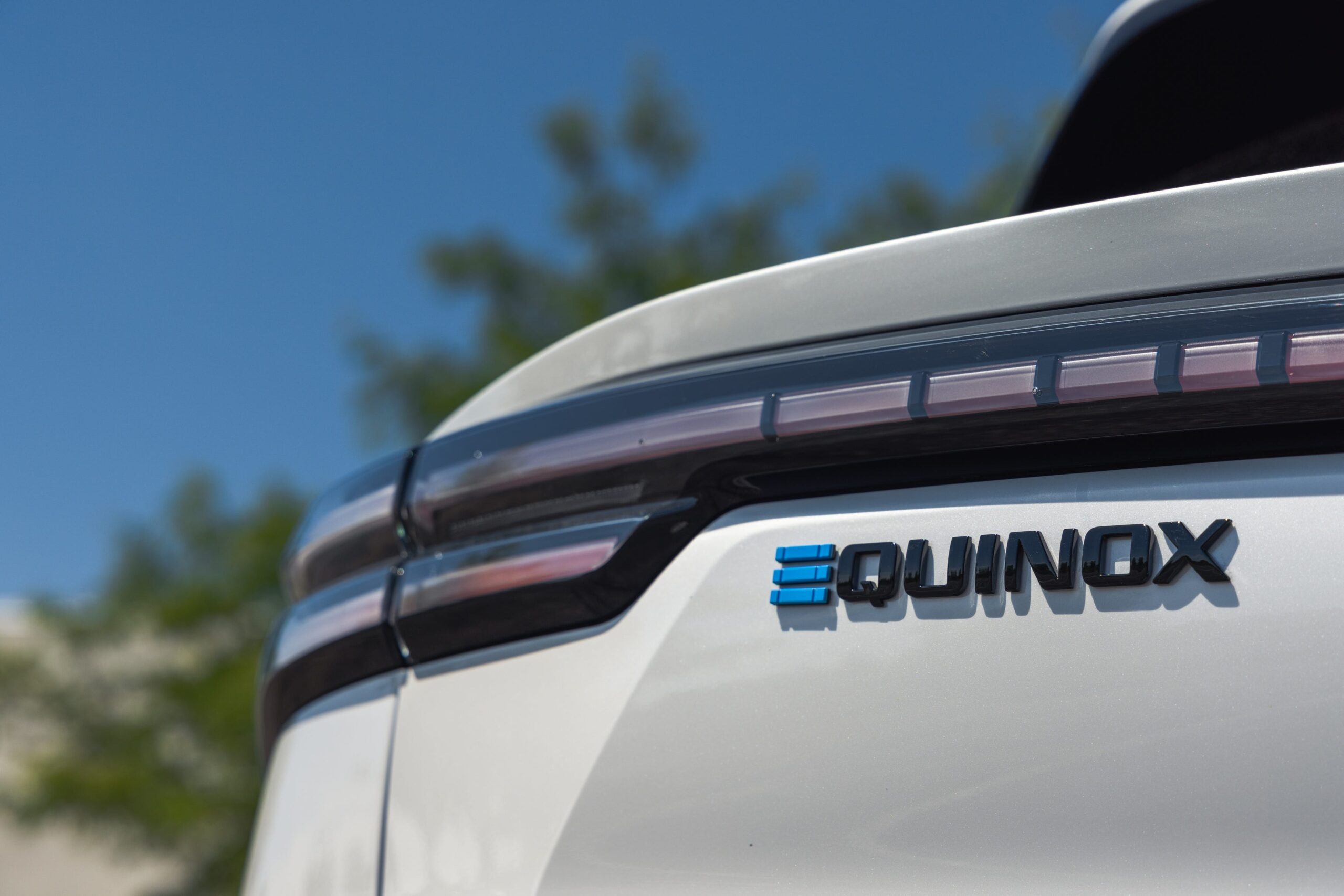


General Motors is already developing a second-generation Equinox EV for late 2028 or early 2029, according to a GM Authority report, even as the current model’s sales have fallen off a cliff this year.
The timing is striking. The first-generation Equinox EV only hit dealer lots as a 2024 model, meaning GM is preparing to replace it after roughly a four-year run. That’s short by any standard, and it signals the automaker views its current Ultium-based BEV3 platform as a stepping stone, not a destination.
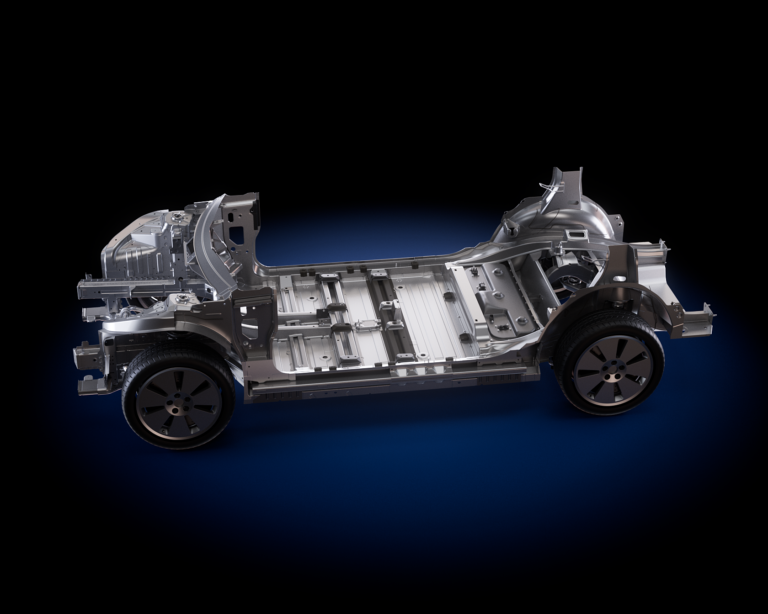
The next Equinox EV would ride on GM’s upcoming BEV-N architecture, shedding the platform it currently shares with the Blazer EV, Cadillac Lyriq, Optiq, Vistiq, and the hand-built Celestiq. GM hasn’t publicly detailed what BEV-N brings to the table, but a clean-sheet platform swap this early in a model’s life usually means cost reduction, efficiency gains, or both.
Chevrolet declined to confirm anything. We cannot comment on future product plans,” a spokesperson told Car and Driver. The standard non-denial denial.
The tension here is impossible to ignore. The Equinox EV was GM’s affordable EV success story in 2025, moving 57,945 units and claiming the title of bestselling non-Tesla electric vehicle in America. That number looked like proof that GM had finally cracked the code on mainstream EV pricing and packaging.
Then 2026 arrived, and the bottom fell out. Through the first six months of this year, Chevy has sold just 16,249 Equinox EVs. That pace, roughly 32,500 annualized, represents a 44 percent drop from last year. The model has slid to fifth on the EV sales charts, overtaken by the Toyota bZ4X and Hyundai Ioniq 5.
Part of the problem is friendly fire. The resurrected Chevy Bolt, which just won Car and Driver’s EV of the Year award, now competes for the same budget-conscious buyers who made the Equinox EV a hit. GM effectively cannibalized its own momentum.
Yet the company isn’t retreating. Planning a next-generation model on an entirely new platform is an expensive, multi-year commitment that requires board-level conviction. GM is betting the compact electric SUV segment will be central to its future lineup, regardless of what this year’s sales numbers say.
That bet isn’t irrational. The compact crossover segment remains the highest-volume slice of the American market, and whoever owns that space with the right price and range equation wins big. GM clearly believes BEV-N will let it build the Equinox EV more profitably, which matters enormously when you’re selling a vehicle that starts around $34,000.
The broader pattern is worth watching. GM has a habit of launching first-generation EVs that serve as expensive proof-of-concept exercises, then following up with leaner, more competitive successors. The original Bolt begat the new Bolt. The BEV3 Equinox EV will apparently beget a BEV-N replacement.
Whether the current model can hold its ground for three more years against increasingly sharp competition from Hyundai, Kia, Toyota, and a growing wave of Chinese-designed platforms is another question entirely. Tesla’s Model Y refresh continues to dominate, and the sub-$40,000 EV space is getting more crowded every quarter.
GM is asking buyers to trust the Equinox EV today while quietly building its real answer for tomorrow. It’s a familiar play from Detroit, promise the future, manage the present, and it only works if the next generation actually delivers on cost and capability. The 2029 model year will tell us whether BEV-N was worth the wait or just another platform with a new acronym.

Share this Story