
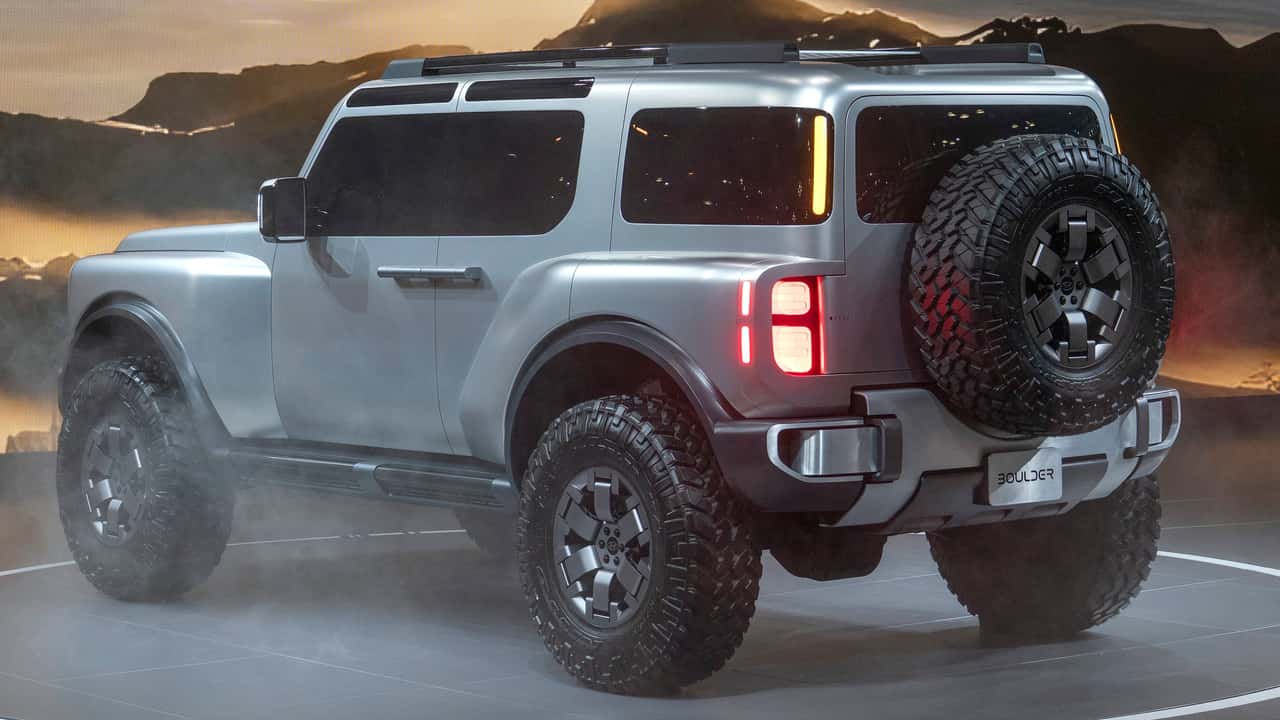


Fifty-eight vehicles in five years. That’s the number Hyundai Motor Group CEO José Muñoz dropped at the New York Auto Show this week, outlining an American product offensive that spans everything from economy sedans to a Korean supercar.
Hyundai accounts for 36 of those models. Genesis gets 22. The combined assault covers gasoline, hybrid, battery-electric, and range-extended EVs across passenger cars, SUVs, trucks, and commercial vehicles. Backed by a $26 billion U.S. investment commitment, it’s the most aggressive product plan any Korean automaker has ever laid out for this market.
The numbers need context, though, because “new models” is doing a lot of heavy lifting. Not all 58 are clean-sheet vehicles. Mid-cycle refreshes, new trim levels like the N performance line and the rugged XRT, and powertrain variants all count.
Genesis currently lists 13 models on its website, though some of those are simply different trims of the same nameplate. Getting from there to 22 requires creative math — or genuinely new entries.
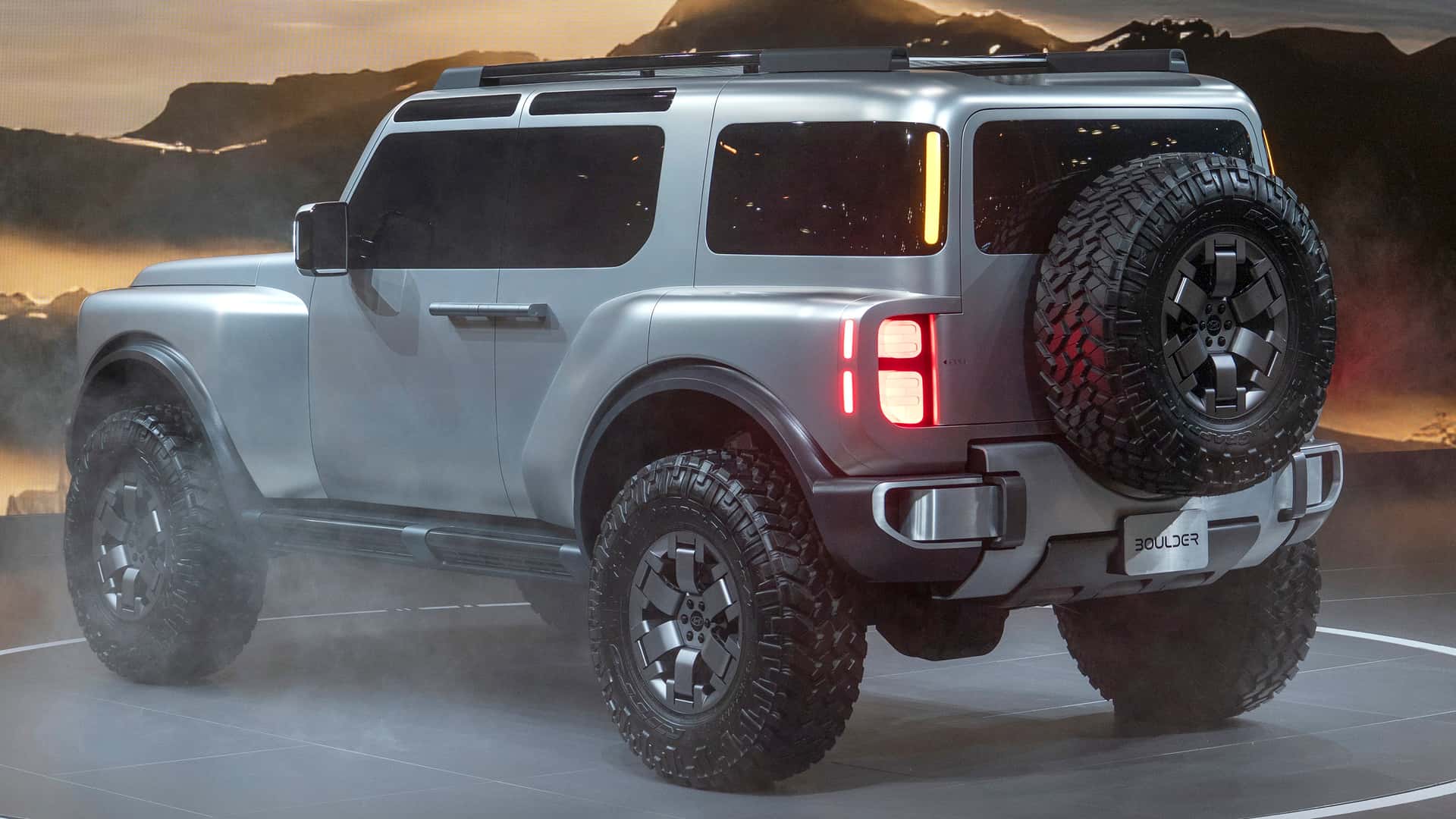
The more interesting signal is where these brands intend to go. Hyundai confirmed a body-on-frame midsize pickup arriving in 2029, previewed by the Boulder concept that stole the show in New York. A truck-based SUV almost certainly follows.
The next-generation Elantra and Tucson debut in South Korea this year, meaning U.S. versions land around 2027. Range-extended EVs — combustion engines generating electricity to charge a battery — are confirmed for both brands, with the first Genesis EREV expected before year’s end.
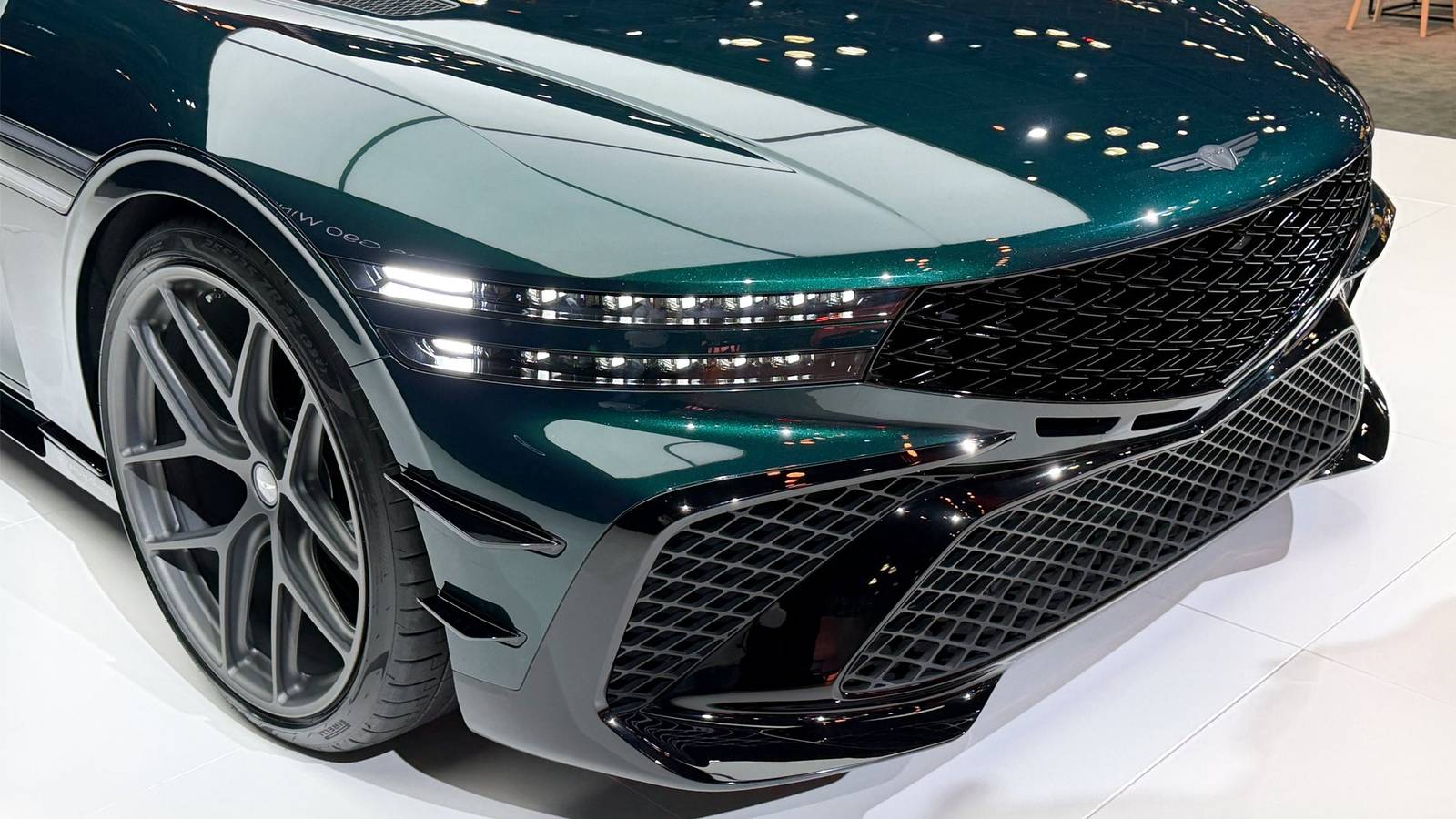
Genesis is the wilder card. Chief Creative Officer Luc Donckerwolke has paraded a string of concepts that range from plausible to audacious: the G90 Wingback wagon, the X Gran Coupe, the X Gran Convertible, the X Gran Equator off-roader, and the Magma GT supercar. Donckerwolke called them “very executable,” noting shared platforms and common wheelbases with the existing G90.
That language matters. Automakers show concepts all the time and let them die quietly. But when a design chief publicly explains how cheaply they can be built, someone upstairs has already run the numbers.
The G70 Shooting Brake wagon, sold in Europe since 2021 but never offered here, proved Genesis could build something other than sedans and crossovers. A G90 Wingback for America would be a direct shot at the Mercedes E-Class wagon space. That niche barely exists anymore precisely because nobody has tried to fill it with something genuinely desirable.
Performance branding will also soak up some of those 22 slots. Magma versions of Genesis vehicles are coming, topped by a production GT supercar. Whether there’s a V8 lurking in a future Magma SUV, as some reports suggest, remains unconfirmed but tantalizing.
The real tension in this plan isn’t ambition — it’s execution. Hyundai Motor Group has spent a decade proving it can build world-class vehicles. The Ioniq 5 sells well even as the broader EV market stumbles.
The Genesis GV80 genuinely embarrasses German competitors that cost $15,000 more. Quality and design are no longer the question.
The question is bandwidth. Launching 58 models across two brands in roughly four years means overlapping development cycles, strained supply chains, and marketing budgets stretched across a dizzying number of nameplates. Toyota tried this kind of carpet-bombing in the mid-2000s and ended up cannibalizing itself. Stellantis is drowning in brands right now for similar reasons.
Muñoz clearly believes scale is the answer to tariff pressure, shifting consumer tastes, and an unpredictable regulatory environment. Flood the zone. Offer something for everyone. Let the market sort it out.
It’s a bet that only works if every one of those 58 models earns its showroom space. Hyundai’s track record says it can. The next five years will tell us if confidence has crossed into overreach.
Share this Story