
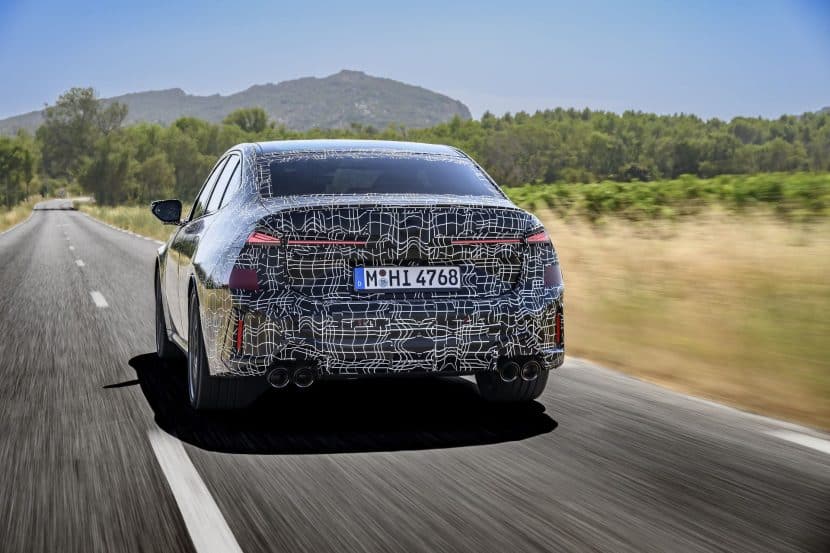


The 2027 BMW M350 makes 437 horsepower in the United States. That figure comes not from a new engine, but from the same turbocharged B58 inline-six the company has been refining for nearly a decade, paired with a 48-volt mild-hybrid system doing more of the heavy lifting than most buyers will ever realize.
BMW confirmed the M350 uses the same updated B58 already found in the X3 M50. Same core hardware. The differences are application-specific tuning and a revised cooling setup, with no new block and no exotic internals.
The torque number tells the real story. At 580 Nm (428 lb-ft), the M350 outguns the outgoing M340i by a wide margin. But a BMW engineer admitted that nearly all of the torque increase comes from the hybrid system, not the combustion engine itself.
The 48V setup contributes roughly 40 Nm directly to the transmission, stepping in precisely when the turbocharger hasn’t fully spooled. BMW retuned the turbocharger to extract the extra horsepower, but the mild-hybrid motor is what makes the car feel quicker off the line. It covers the dead spot before boost arrives, giving the M350 a stronger initial push while the B58 catches up.
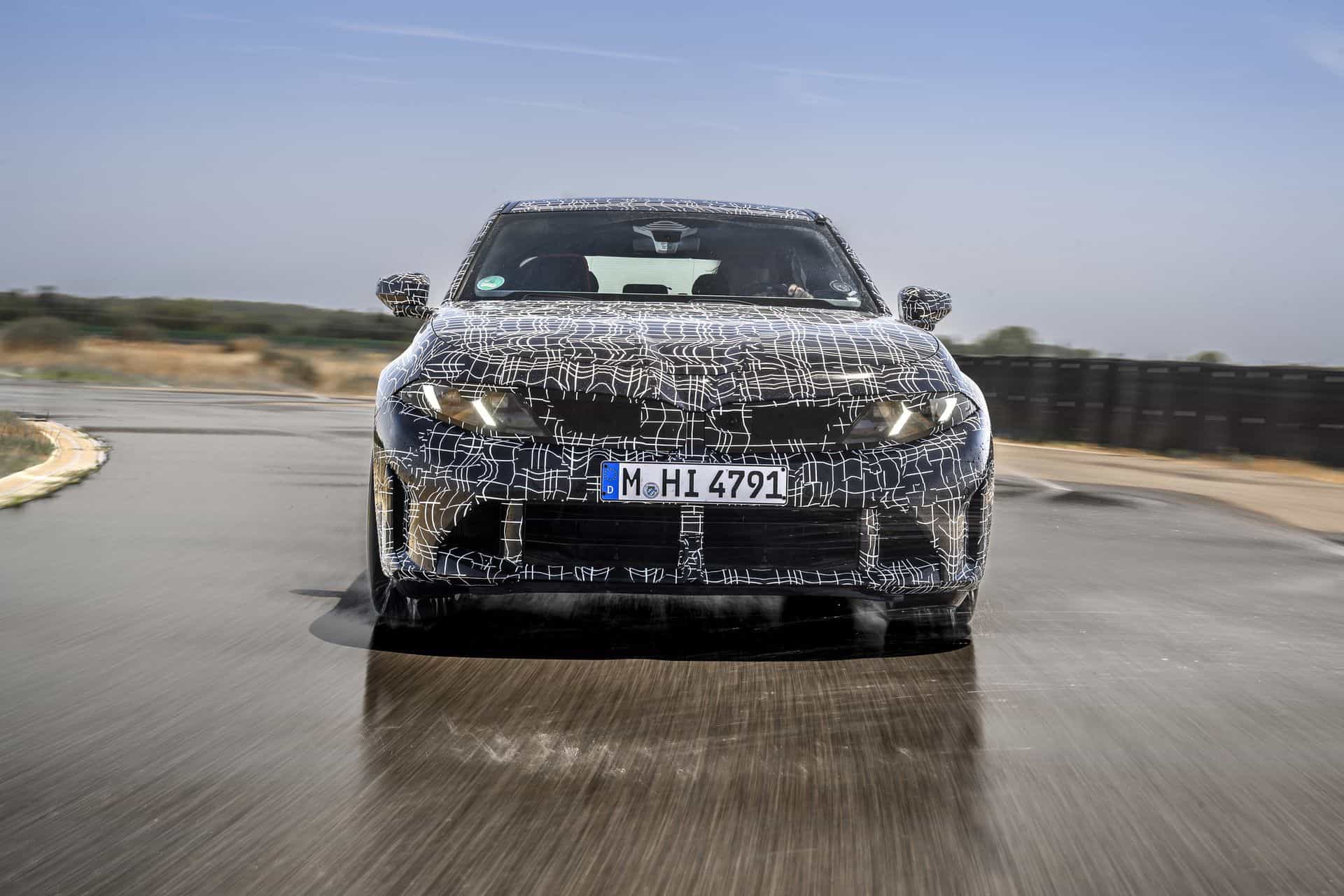
The German-market spec reads 443 PS, and that number won’t be detuned for European emissions compliance. The M340i suffered exactly that indignity, with its European output trimmed to pass tightening regulations. The mild-hybrid system apparently gives BMW enough headroom to avoid that compromise this time around.
There is an irony in the whole affair. Until now, the most powerful version of the B58 didn’t live under a BMW hood. It sat in the Toyota Supra Final Edition, a fact that surely stung in Munich.
The M350’s output reclaims bragging rights, though BMW’s number includes the electric motor’s contribution, making it an imperfect comparison. For all the spec sheet improvements, BMW’s own engineers concede the difference behind the wheel may be subtle. Back-to-back with an M340i, a driver might detect the quicker initial response, but in isolation, the gains could easily go unnoticed.
The broader play is clear enough from the numbers alone. At 437 horsepower, the M350 sits close enough to traditional M car territory that the next-generation M3, codenamed G84, will need to clear 500 horsepower in its base form just to justify its existence. BMW will want real separation between its M Performance and full M lineups, and anything starting with a four wouldn’t cut it.
The M350 is expected to debut publicly at the end of September. The gas-powered M3 successor won’t arrive until 2028 at the earliest. That leaves a gap of at least a year and a half where the M350 will be the most powerful combustion 3 Series you can buy.
A decade ago, 437 horsepower in a 3 Series would have been an M3 number. Now it’s the warm-up act.


Share this Story