
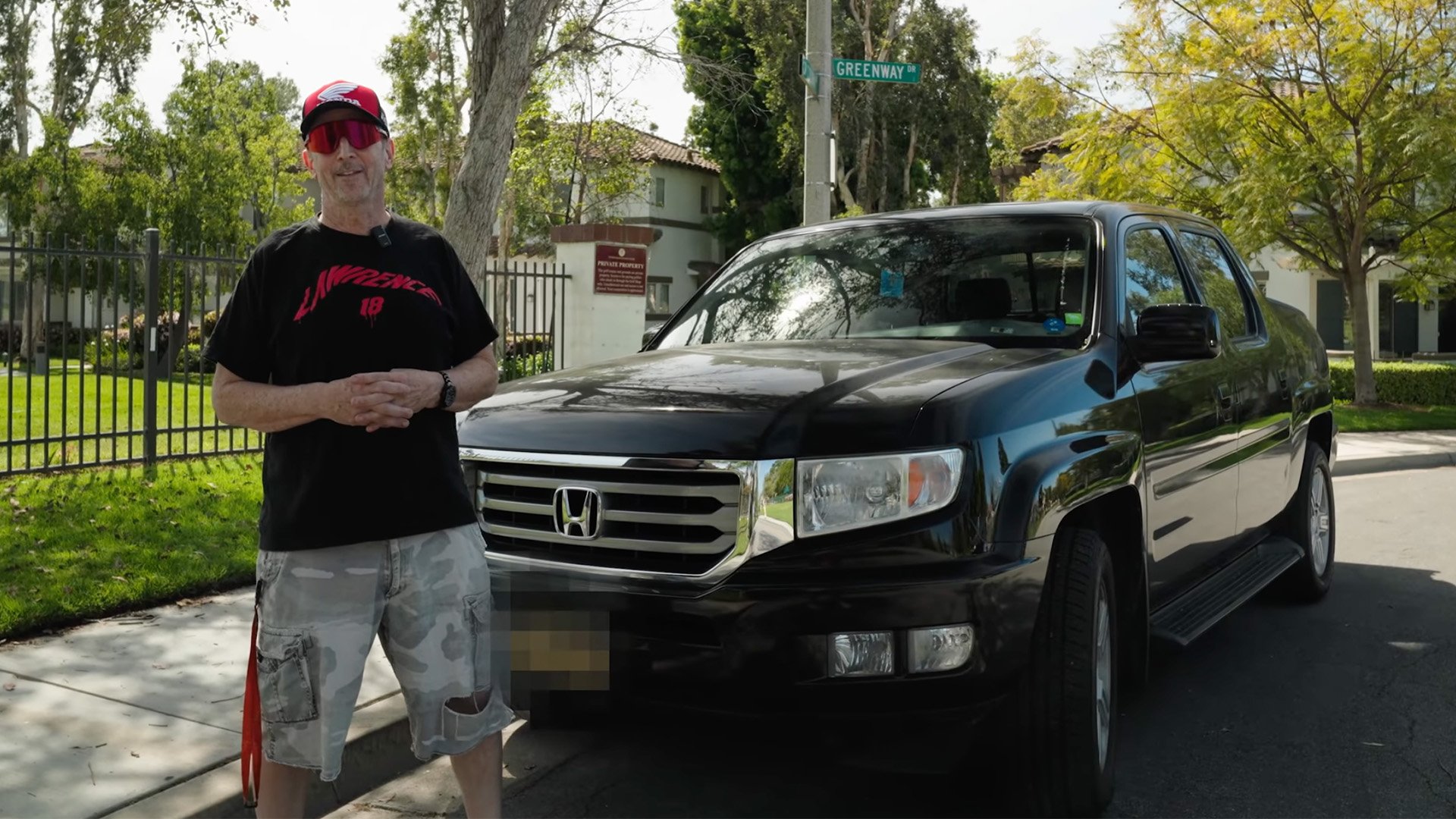


The first-generation Honda Ridgeline wasn’t born from a strategic product plan. It was born from boredom. A handful of designers at Honda’s studio had nothing pressing on their plates, so they started sketching.
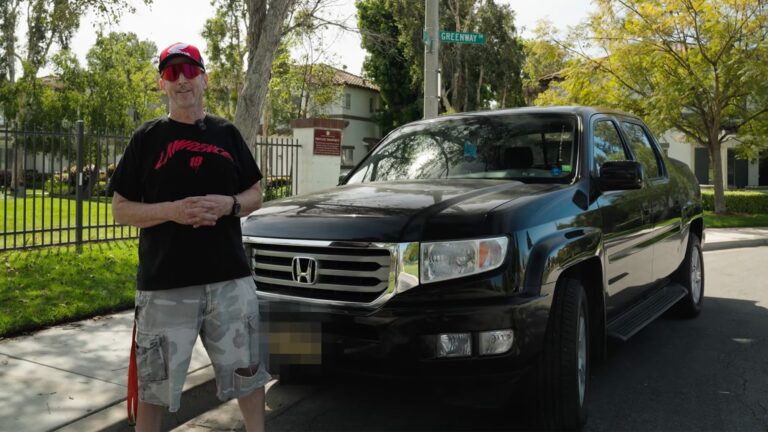
One of those sketchers was Don Herner, the Ridgeline’s exterior design lead, who recently laid out the truck’s entire origin story in a YouTube interview with Jack Bontatibus. Herner joined Honda straight out of ArtCenter College of Design after interning at GM’s Corvette studio. He went on to lead the design of the third-gen Acura Integra and the first-gen Acura RDX.
But the Ridgeline might be his strangest assignment, because Honda never actually called it a truck. “This never really started out to be a truck project per se, because Honda doesn’t make a transmission robust enough to turn gigantic wheels and tires,” Herner explains. Internally, it was designated the “Advanced Capabilities Vehicle.”
That label wasn’t casual branding. Honda took it seriously enough to pursue a collaboration with Nike, which had an “Advanced Capability Gear” product line at the time. The truck that truck buyers didn’t know what to do with in 2005 was literally being developed alongside athletic wear concepts.
Studio sketches initially featured 32-inch and 35-inch wheel-and-tire packages, the kind of aggressive rubber that would have signaled conventional truck intent. Engineering killed that fast. They wanted the smallest possible wheel-and-tire combination to maximize at-wheel torque from the 3.5-liter V6, which made 255 horsepower and 252 pound-feet through a five-speed automatic.
The result was 5,000 pounds of towing capacity and 1,550 pounds of payload, numbers that were respectable if not chest-thumping. The cargo box was fiberglass, chosen not for weight savings but for long-term durability. Honda ran simulations overloading the bed until the rear suspension collapsed, just to know where the limits were.
The dual-action tailgate, a feature still on today’s Ridgeline, had a mechanism running nearly the entire bed length so it could support the weight of multiple adults sitting on it.
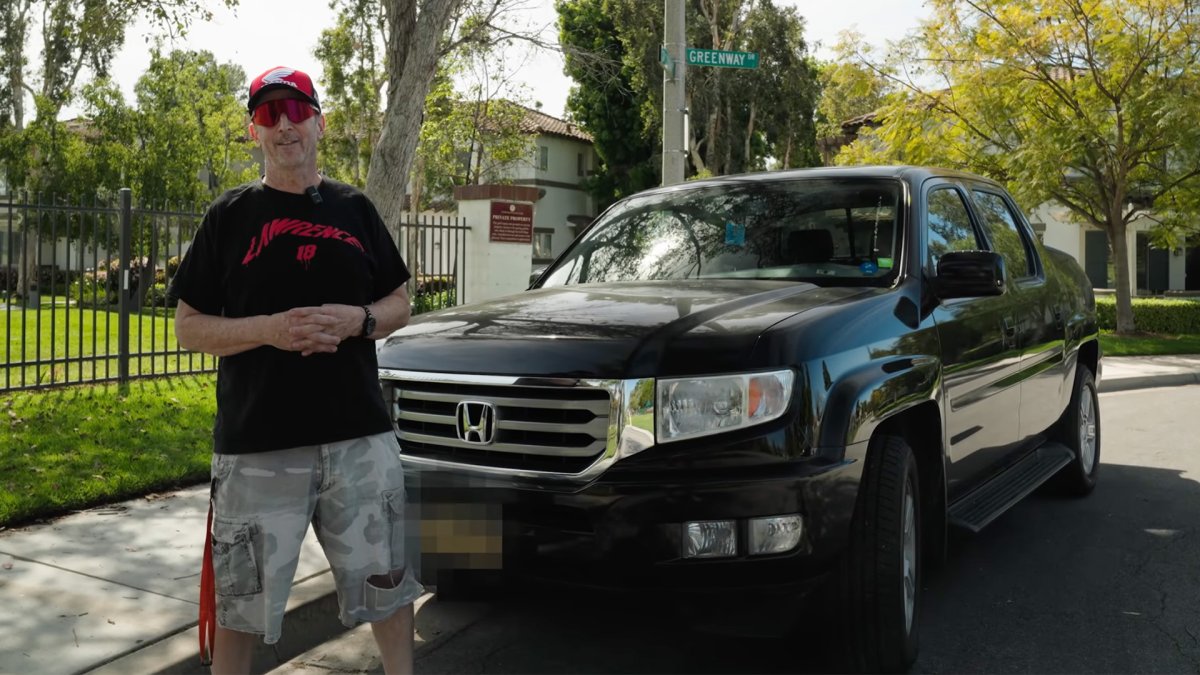
Hidden details told the real story of who designed this thing. A CD loader tucked behind the head unit. A storage pocket between the dash and center console sized specifically for handbags. Fold-up rear seats.
These weren’t truck-guy features. They were Honda features, solutions dreamed up by people who thought about daily life before they thought about payload charts.
Building the Ridgeline forced Honda into unfamiliar territory. Based on a modified Odyssey platform, it was the largest production Honda ever made, requiring assembly line modifications. Spelling out “Honda” in the company’s typeface across the tailgate violated Japanese corporate protocol so deeply that it required personal approval from the company president.
Herner’s account makes clear that the Ridgeline was never trying to compete with the F-150 or Tacoma. It was trying to be something Honda could justify making, a vehicle that happened to have a bed but was engineered with the obsessive user-focused thinking Honda applied to everything from Civics to lawn mowers.
The current Ridgeline looks more like a conventional pickup. The next generation will reportedly push even further in that direction. Whether Honda can keep playing the game it invented while also trying to look like everyone else is a question Herner’s interview raises without answering.
Share this Story