
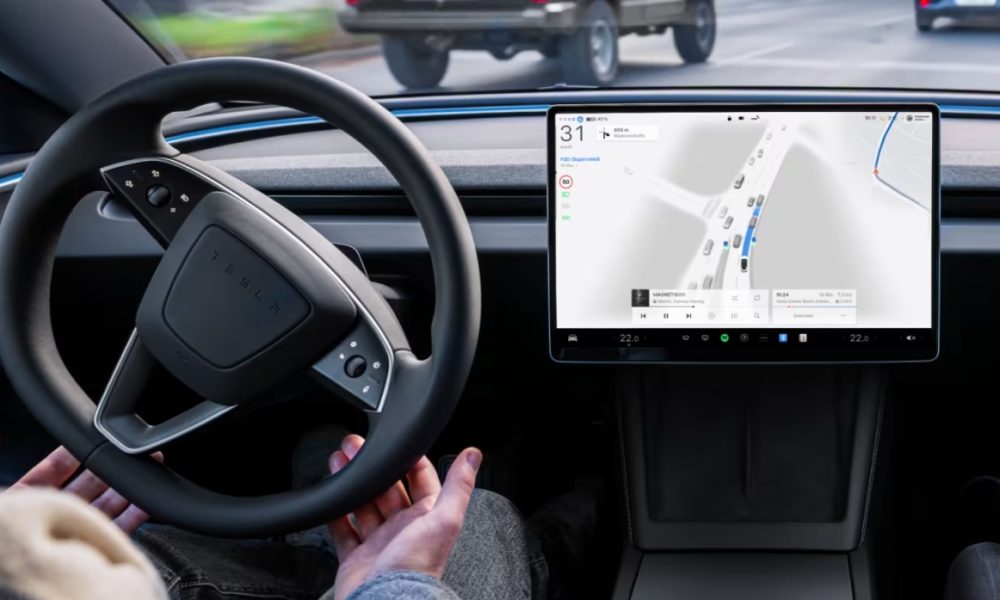


Tesla started pushing software update 2026.27.6 to vehicles overnight, and buried inside is a feature that changes the relationship between driver and car. Automatic Collision Evasion lets Full Self-Driving take control in two specific scenarios: when a frontal crash is imminent and braking alone won’t cut it, or when the system detects the driver isn’t paying attention to the road.
That second trigger is the one worth sitting with.
If FSD senses you’re reaching into the back seat or have otherwise checked out mentally, it can seize control of the vehicle without being asked. The system will attempt to keep the car safe and then continue driving. Tesla frames this as a safety net, but it also happens to be a quiet expansion of how much authority the software holds over the car at any given moment, even when FSD is technically disengaged.
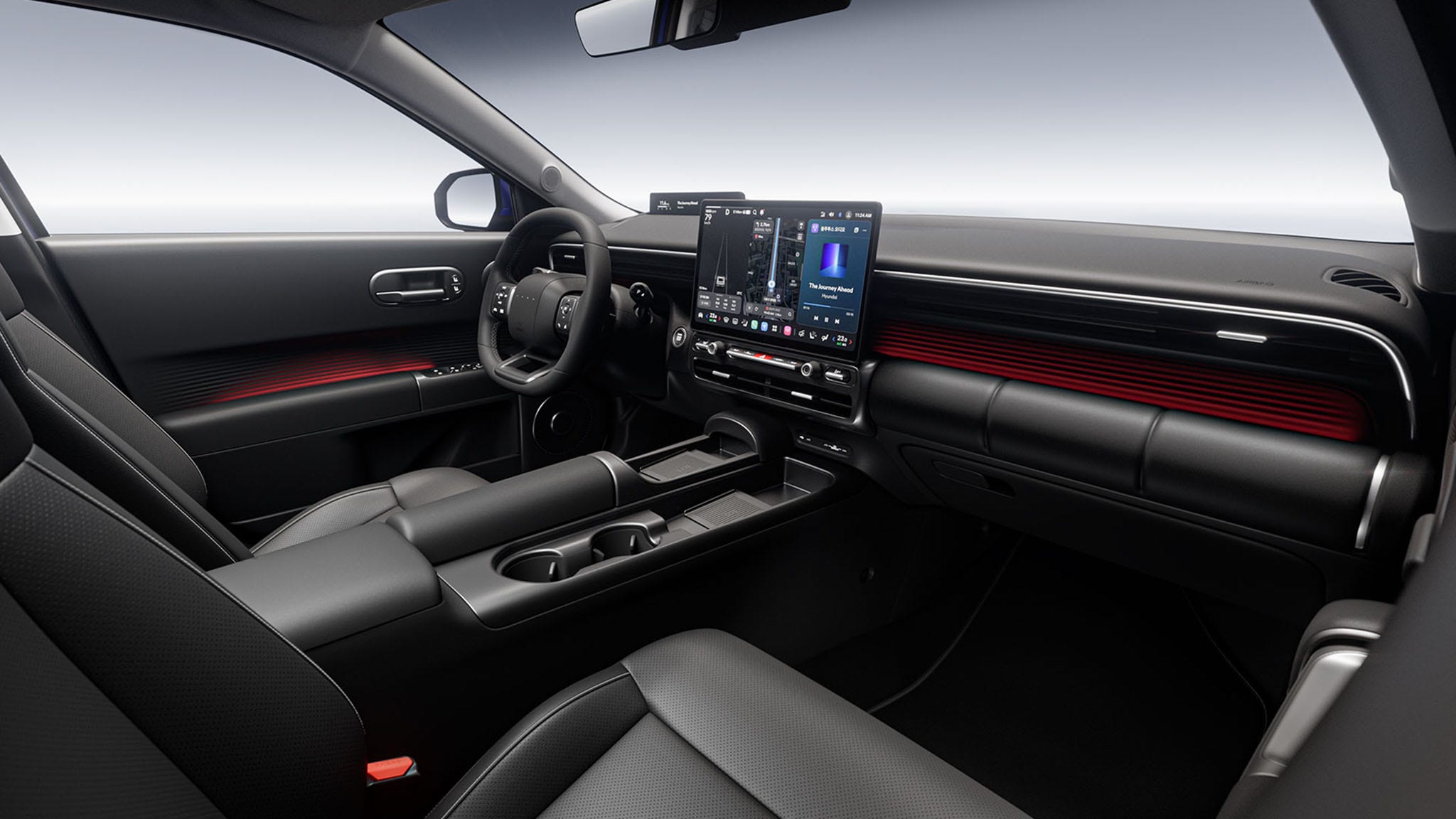
The collision avoidance piece is less novel. Hyundai, Kia, and Genesis already ship systems that apply emergency braking on their own using radar and camera data. But Tesla’s version adds evasive steering during manual driving, a step most competitors haven’t taken in production vehicles.
Automatic emergency braking slows you down. This tries to steer you out of trouble.
The update also delivers FSD v14.3.9, which carries no new release notes compared to its predecessor. Early impressions suggest general driving remains smooth while parking continues to frustrate. Tesla’s v14.2 Lite also landed with what appears to be behavioral refinements rather than any headline additions.
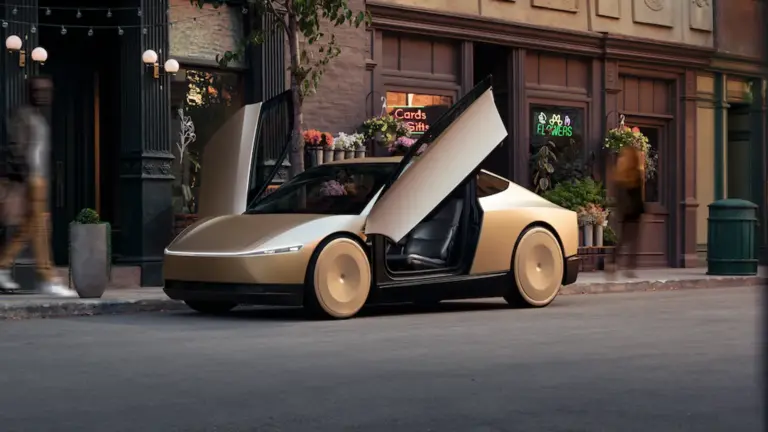
The timing of this rollout is not accidental. Tesla launched paid Cybercab robotaxi service in Austin on September 3, and the company is clearly trying to build a public safety narrative across its entire fleet, not just the autonomous pods. Elon Musk has been talking about European expansion for the Cybercab, telling a German rider on social media he hopes the vehicle arrives there “soon.”
European regulators require type approval and cap automated vehicle certifications at 1,500 units per type per year. Musk himself has admitted Tesla is “somewhat at the mercy of the governments in Europe.”
A track record of strong safety features in the broader Tesla fleet could help grease those regulatory wheels. Every collision avoided by a Model 3 or Model Y running Automatic Collision Evasion becomes a data point Tesla can present to skeptical European authorities considering whether to let a steering-wheel-free Cybercab loose on the Autobahn’s feeder roads.
The company is also surveying early Cybercab riders in Austin, asking them to rate everything from door functionality to seat comfort and requesting wish-list items like tray tables, wireless charging, and reclining seats. It is a familiar Tesla playbook: ship the product, then refine it based on real-world feedback at a pace traditional automakers can’t match.
But the collision evasion feature raises a question Tesla hasn’t fully answered. The system monitors driver attentiveness and can override manual control based on its own judgment. That is a level of software authority that sits in a gray zone between driver assistance and full autonomy.
Regulators in the U.S. have largely let Tesla self-certify its way through these incremental capability additions. Europe will not be so accommodating.
Cybercabs are now rolling off the line at Giga Texas with Starlink hardware built into the rear hatch as standard equipment, visible in drone footage showing rows of gold units in the outbound lot. The satellite link gives Tesla fleet monitoring, navigation backup, and the entertainment streaming Musk has promised riders. Whether it solves an actual connectivity problem in Tesla’s current dense-metro geofences is debatable, though. Austin and Houston are not exactly cellular dead zones.
Tesla is building its safety case one software push at a time, stacking features that blur the line between a car you drive and a car that drives you.
Share this Story