
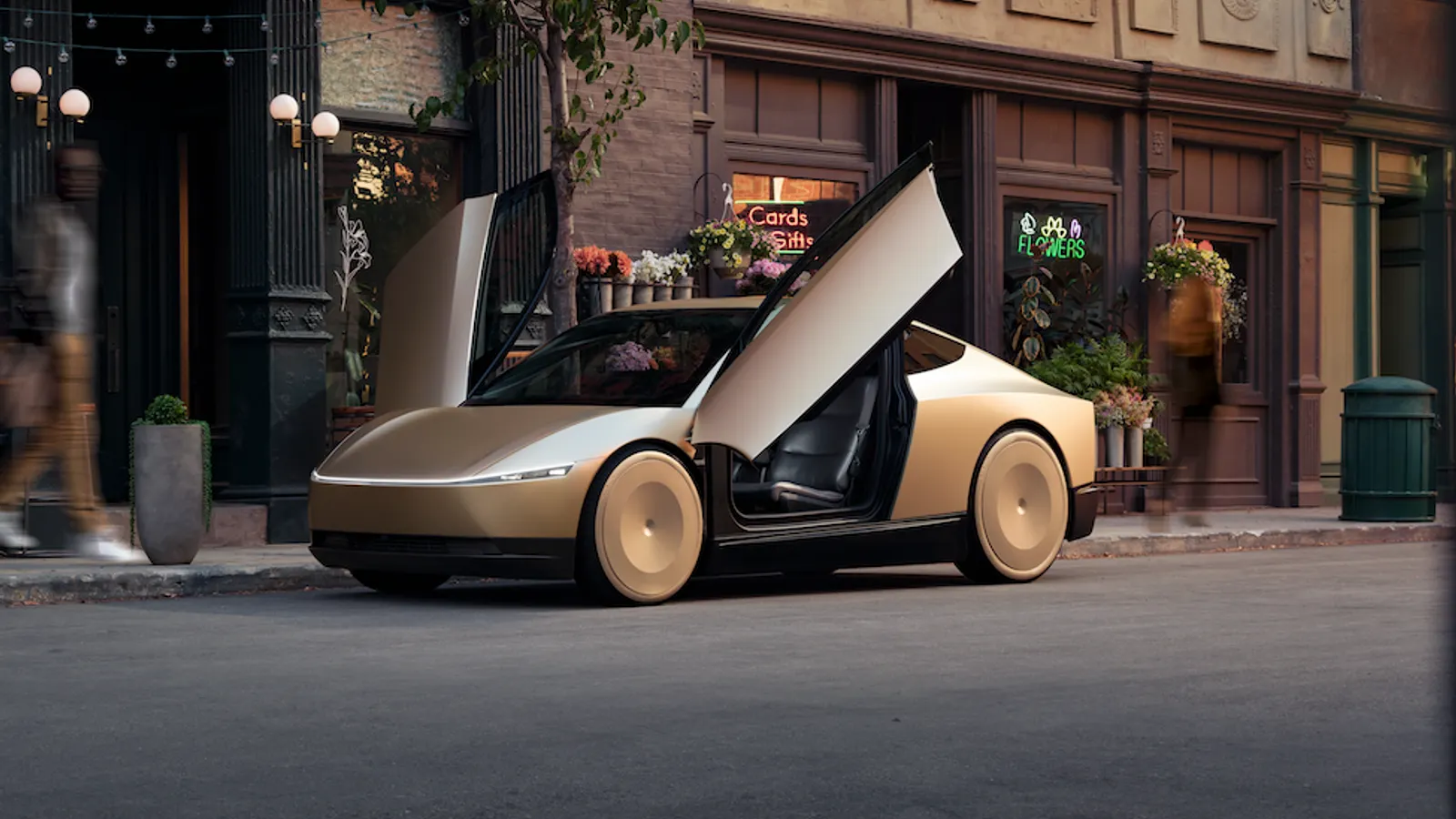


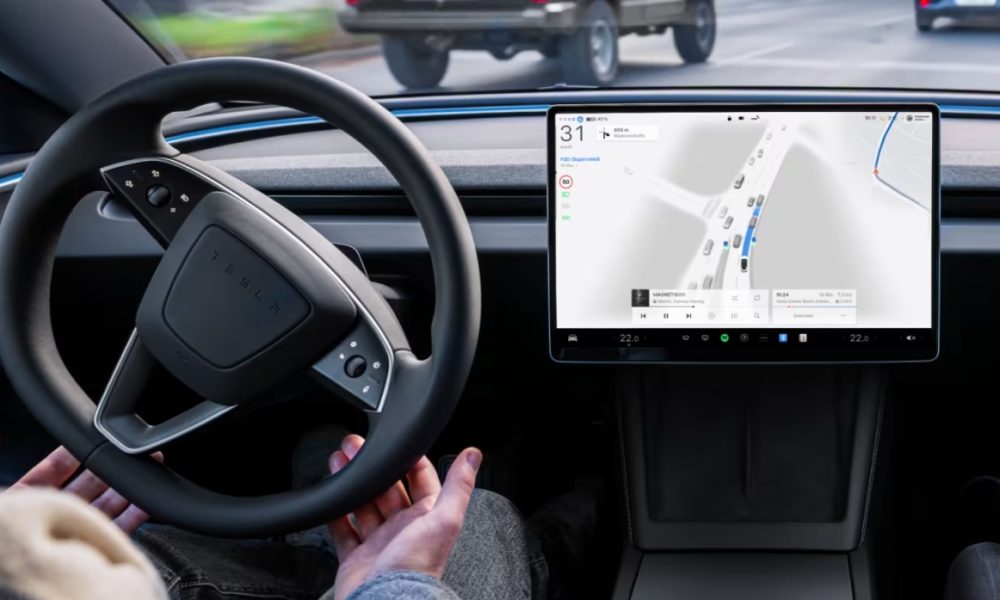
Tesla put roughly 1,000 steering-wheel-free robotaxis on the streets of Austin on September 3. It did so without applying for the federal exemption designed precisely for vehicles like this. Now NHTSA wants to know how Tesla certified those Cybercabs as compliant with Federal Motor Vehicle Safety Standards when the two-seaters have no brake pedal, no gas pedal, no steering wheel, and no mirrors.
The probe, opened through NHTSA’s Office of Vehicle Safety Compliance, will examine the process and technical data Tesla relied on when certifying the Cybercab. The agency pointedly noted it will scrutinize whether Tesla simply declared certain safety standards inapplicable to its vehicle. That creative reading of the rulebook is something no other autonomous vehicle company has attempted at commercial scale.
In 2025, NHTSA created a streamlined Part 555 exemption pathway for manufacturers building autonomous vehicles without traditional driver controls. The process lets companies sell up to 2,500 such vehicles per year, but requires detailed analyses proving the vehicle offers safety at least equal to conventional cars. It demands test results, technical data, and proof that full compliance would be prohibitive.
Amazon’s Zoox followed this path. It received the first commercial exemption in July 2026 and proudly declared it could finally charge for rides. Tesla skipped the line.
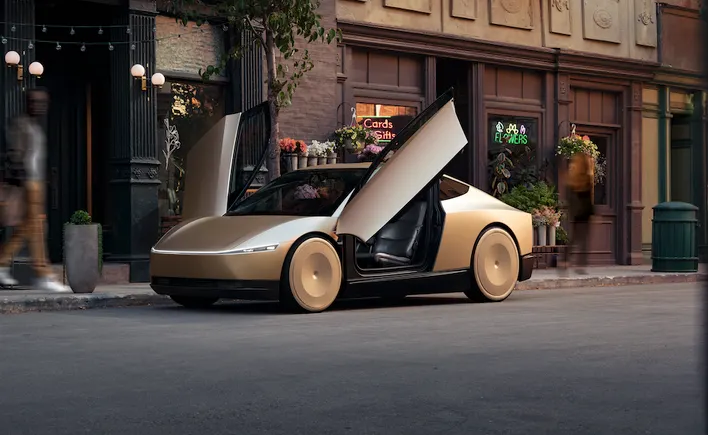
The company is already charging for Cybercab rides in Austin. CEO Elon Musk has promised a purchase price under $30,000. Tesla’s Gigafactory Texas can build more than 125,000 Cybercabs per year, and the company has told NHTSA it intends to deploy more vehicles to more locations. The scale here is not experimental. It is industrial.
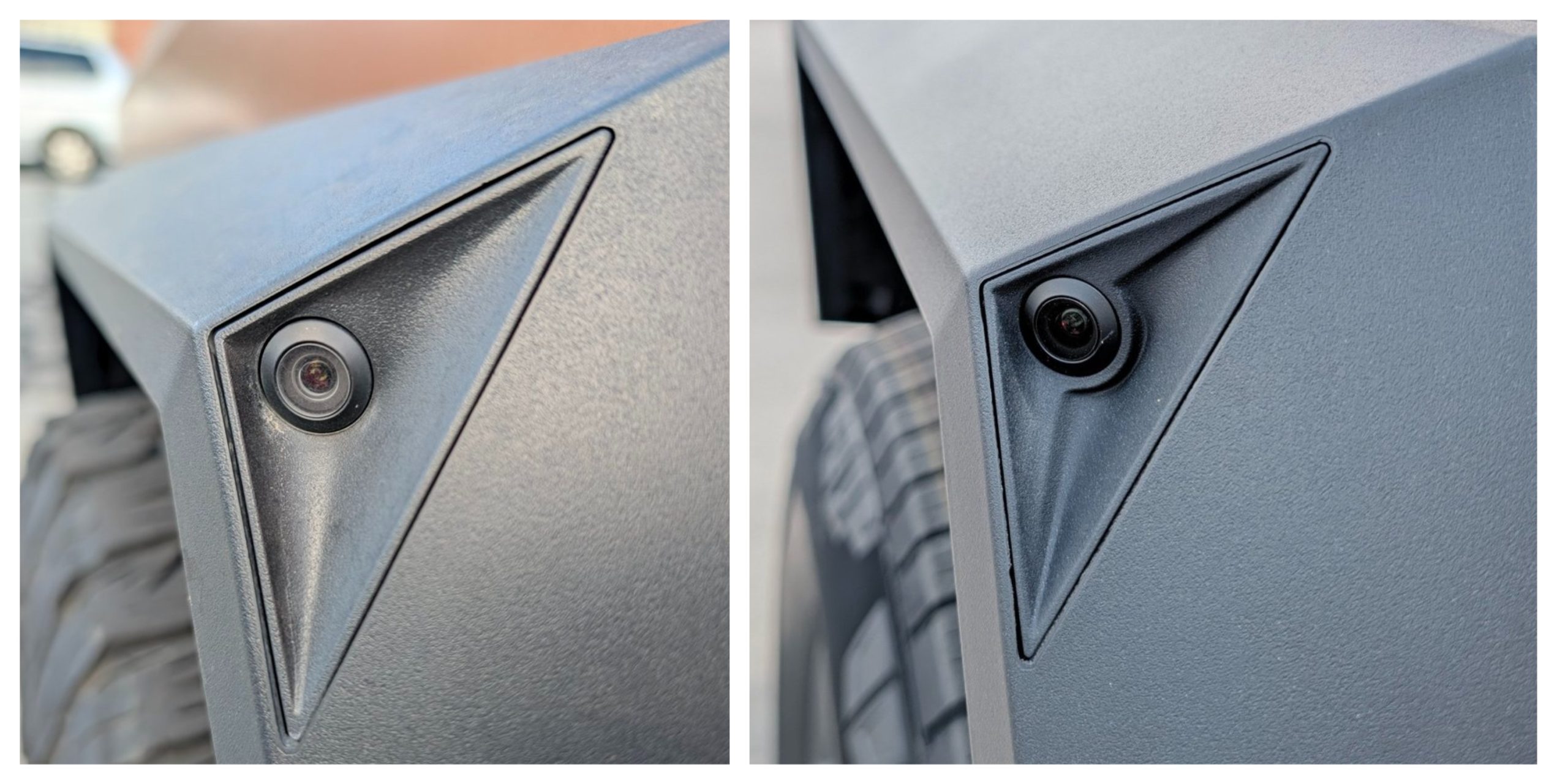
Tesla’s sensing architecture adds another layer of friction with regulators and competitors alike. While Zoox and Waymo use lidar, radar, and cameras together, Tesla relies on cameras alone. Ashok Elluswamy, Tesla’s head of AI, boasted during the company’s Q2 shareholder call that across six cities and two states, there had been “zero notable incidents.”
He dismissed the multi-sensor consensus as unnecessary. “You can have safe, comfortable and affordable autonomy with just cameras,” he said. That confidence has not been validated by the exemption process Tesla chose to bypass.
The Part 555 waiver exists so regulators can evaluate those exact claims against hard evidence before commercial deployment, not after.
The tension here is structural. The current administration built the exemption framework to encourage autonomous vehicle development and loosened the rules. Tesla still found a way to sidestep them, self-certifying a vehicle that lacks the most fundamental driver controls covered by decades of federal safety standards.
If NHTSA lets that stand, the exemption process becomes optional. If the agency pushes back, it risks a confrontation with a company that has deep political ties and a CEO who has made regulatory combat a brand identity.
Tesla notified NHTSA of its certification and deployment plans. The agency’s probe is not a recall investigation. It is a compliance query, a polite but pointed request for receipts.
The question is whether Tesla actually has them, or whether it gambled that momentum would outrun oversight. With 125,000 units of annual production capacity waiting and expansion plans already announced, the answer matters well beyond Austin.
Share this Story