


Ford just dropped two recalls covering nearly 160,000 vehicles, both tied to the same nightmare scenario: your car suddenly loses drive power. The causes could not be more different, and one of them traces back to a loose nut on a supplier’s machine.
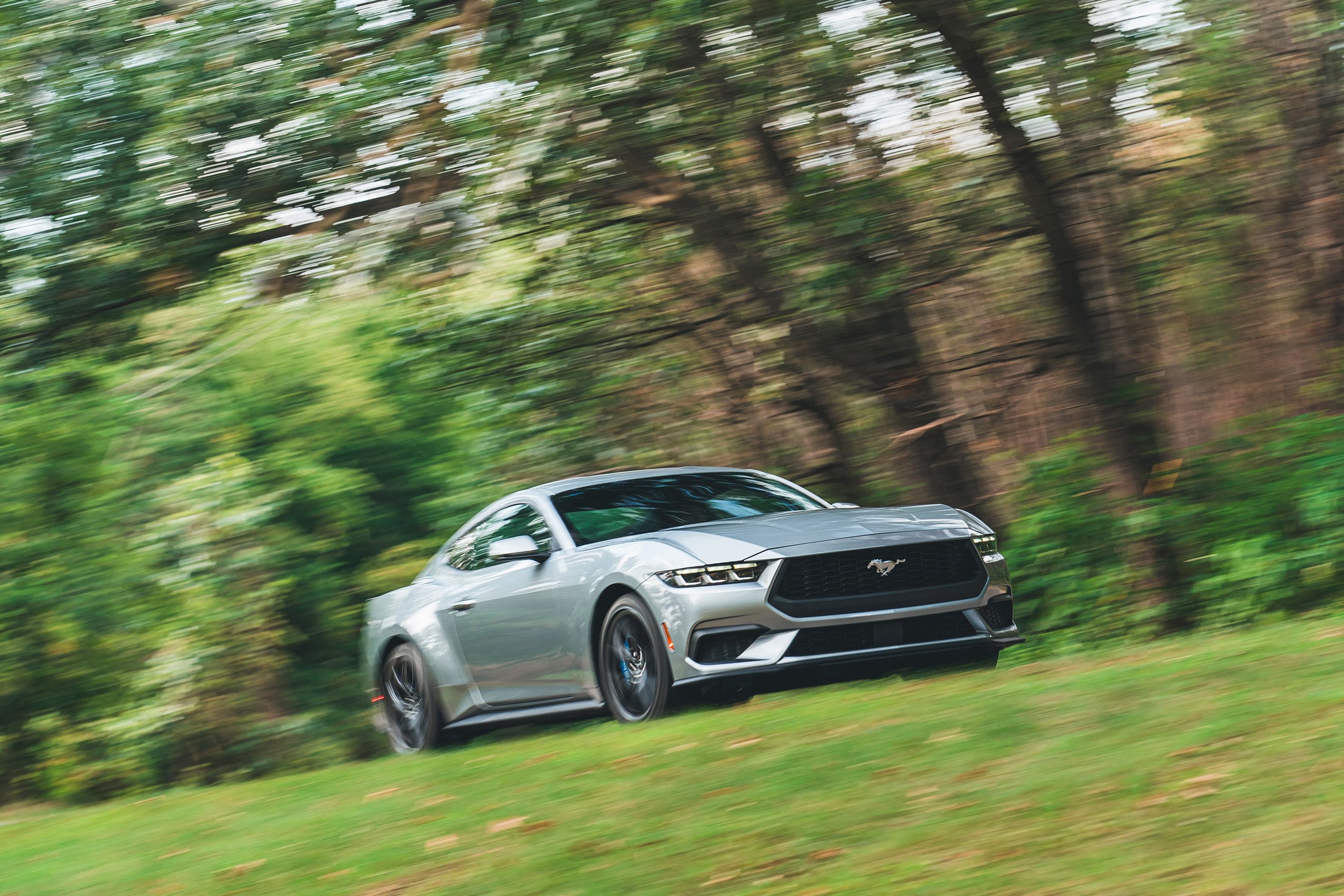
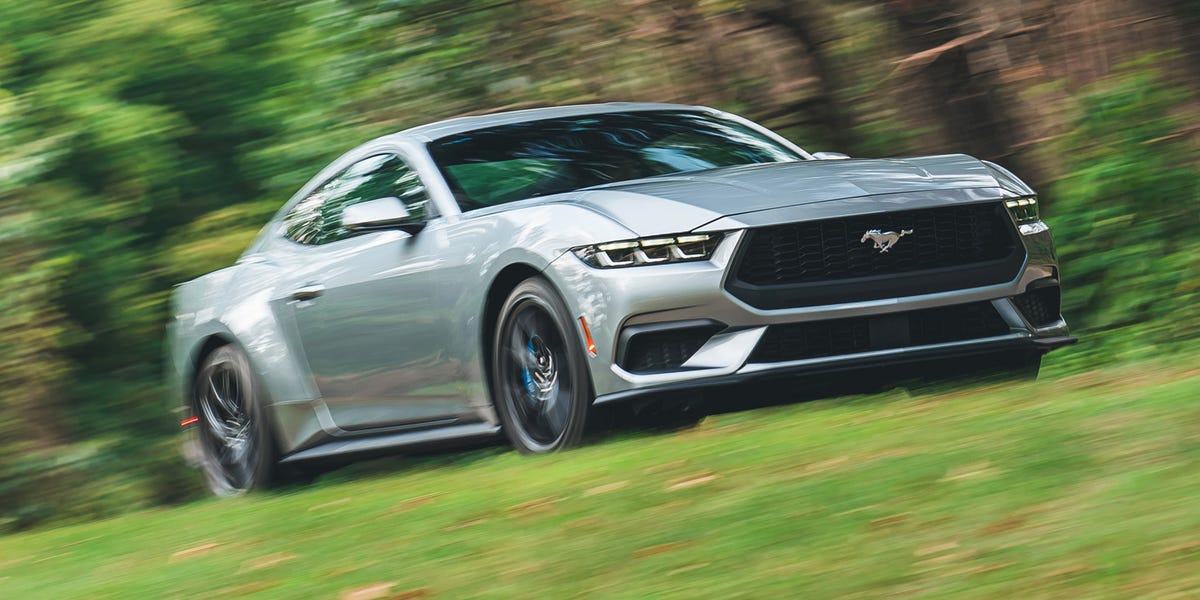
The bigger recall hits 148,663 Mustangs from the 2024 through 2026 model years. The culprit is a wiring harness ground eyelet in the engine compartment that can fracture over time. Heat shrink adhesive applied to the eyelet causes it to bend, and normal vehicle vibration does the rest.
Once those eyelets crack, the car can lose power entirely. Some owners could also lose headlights, air conditioning, or engine cooling. Ford’s fix is straightforward: revised eyelets, swapped in by dealers.
The second recall is smaller but uglier. It covers 10,001 vehicles from the 2026 model year, spread across the Bronco, Bronco Sport, Explorer, Ranger, and Mustang. The problem lives inside Ford’s 2.3-liter EcoBoost four-cylinder, specifically in the piston domes.
According to NHTSA documents, a crater crack can form where the nickel-resistant insert meets the aluminum body of the piston. Ford traced the root cause to a supplier’s machining tool. A loose nut allowed the tool to intermittently strike the insert, cracking the bond between the two materials during manufacturing.
That is the kind of quality control failure that keeps procurement managers awake at night. As of August 12, Ford counted 22 engine failures at its own plants and two in the field potentially linked to the defect. Owners might notice a check engine light, misfires, or unusual engine noise before a full failure occurs.
The remedy here is not a quick parts swap. Ford will inspect each vehicle’s pistons for crater cracks, and any car that fails gets a complete engine long block replacement. That is an expensive fix on Ford’s dime, and it shows how serious the manufacturing defect was.
Dealer notifications have already gone out, but owners will not receive remedy letters until late December. Two recalls, two completely different failure modes, one shared outcome. A driver loses power at speed, and things get dangerous fast.
The wiring harness issue is the kind of production flaw that spreads across high volumes quietly. Nearly 150,000 Mustangs built over three model years carried the same defective eyelets before anyone flagged it. The piston recall is narrower but mechanically more severe.
When a supplier’s tooling drifts out of spec and nobody catches it, engines blow. Ford caught most of the failures in-house before cars reached customers, which is the one silver lining in an otherwise grim quality story.
Owners can check whether their vehicle is affected through NHTSA’s recall lookup site using their VIN. For the Mustang wiring recall, the process should be quick. For the EcoBoost piston issue, the wait stretches into the holidays, and anyone hearing strange noises from under the hood should not be patient about getting to a dealer.
Ford’s recall pace in recent years has been relentless, and these two additions land on a list that already includes Bronco engine fire risks, Explorer seat failures, and a string of other quality flags. The 2.3-liter EcoBoost has been a workhorse engine across multiple platforms for over a decade. A supplier-induced piston defect in the latest batch raises real questions about whether Ford’s quality auditing kept pace with production demands.




Share this Story