
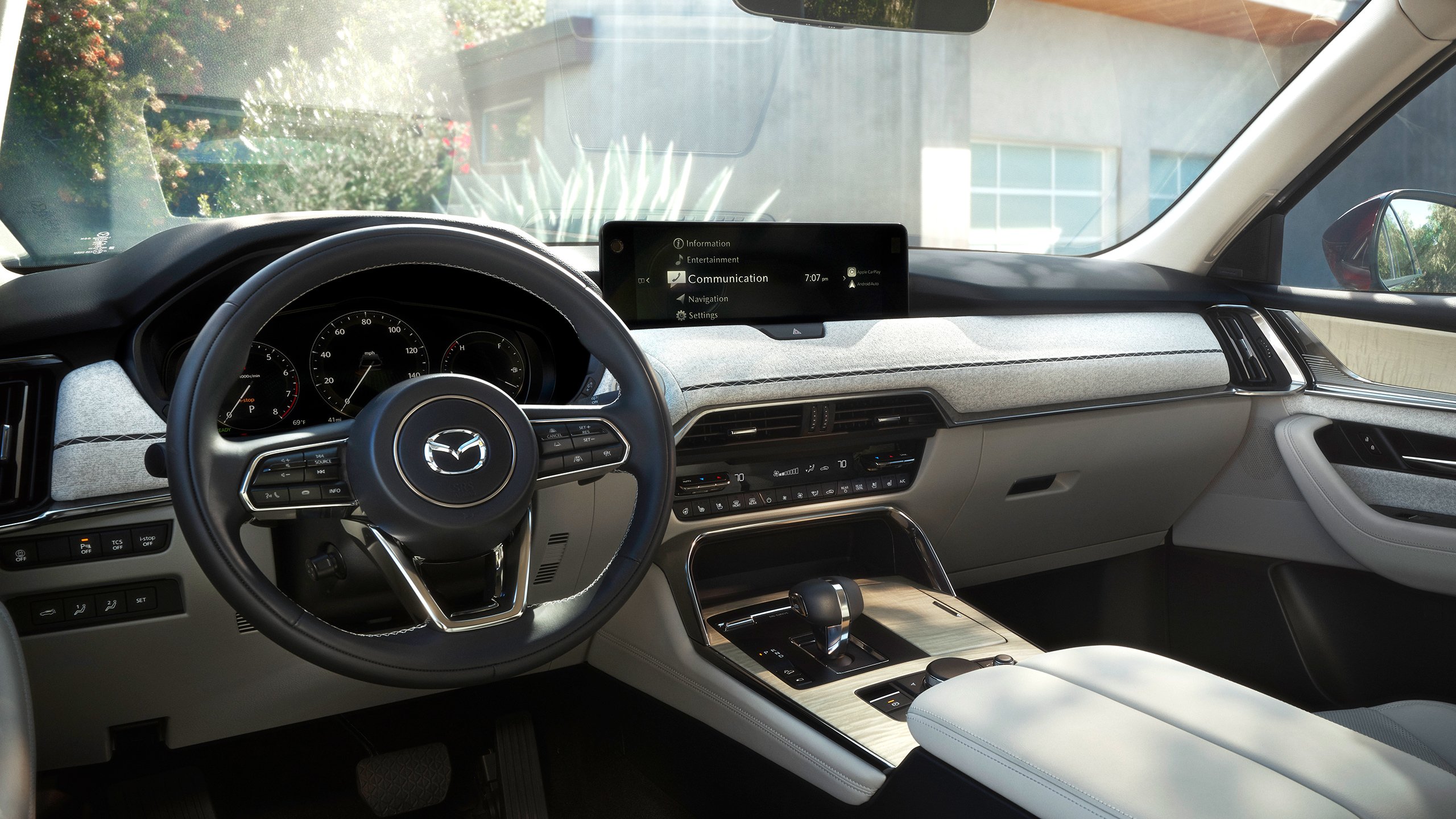


Mazda’s pivot to SUVs was supposed to be the answer. For a while, it looked like it was. Now the company is scrambling to explain a sales shortfall of 50,000 units against its own targets, and promising a product overhaul its CEO calls unprecedented.
President and CEO Masahiro Moro told a Japanese publication that Mazda is planning refreshes “on a scale unprecedented to date.” The company had targeted 200,000 global deliveries last year but landed closer to 150,000. That is not a rounding error. That is a 25 percent miss on your own forecast.
The slide has been deepening for nearly two years now, which means the rot set in well before any single economic headwind could take the blame. Mazda went all-in on larger, more expensive SUVs like the CX-70 and CX-90, betting that premium pricing and a rear-wheel-drive platform would elevate the brand. Margins looked great on paper. The showrooms told a different story.
This is a company that built its identity on driver engagement, on being the scrappy alternative to Toyota and Honda. The Miata. The Mazda3. Zoom-zoom. Then it chased the same profitable-truck-and-SUV formula everyone else was chasing, and discovered that without the dealer network, brand cachet, or marketing budget of a Toyota or Hyundai, premium pricing is a hard sell.
The CX-90 launched with quality complaints. The CX-70 entered a knife fight of a segment. Customers noticed.
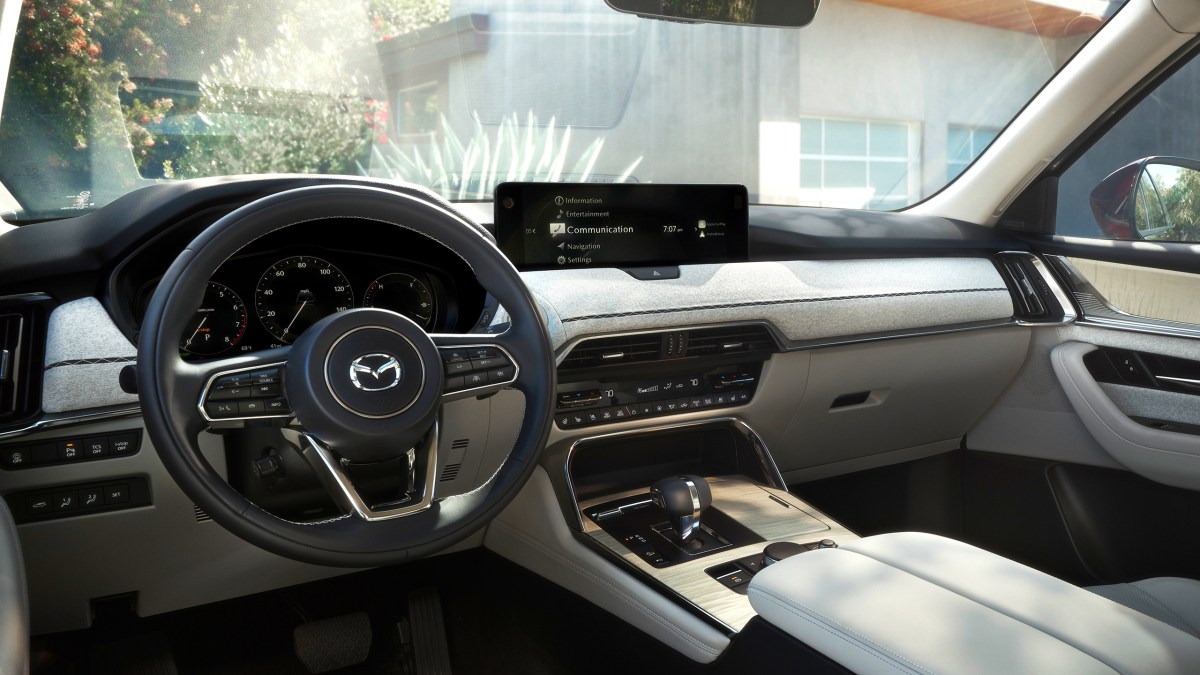
Moro’s language is telling. When a CEO says “unprecedented,” he is signaling to dealers, investors, and employees that the current trajectory is not sustainable. Refreshes across the lineup suggest Mazda knows the product itself is part of the problem, not just the market conditions.
The broader context does not help. Honda reported U.S. sales up a modest 1 percent in August, while Hyundai dipped 1.7 percent. The market is cooling. Buyers are rate-sensitive, inventory is normalizing, and the days of selling everything on the lot at a markup are gone.
In that environment, a brand without strong residual values or deep customer loyalty gets punished first.
Mazda is not alone in facing a reality check after chasing trucks and SUVs too hard. But it is more exposed than most. It lacks the electrification roadmap of a Honda or Hyundai, and it does not have the financial cushion of a Toyota.
Its U.S. dealer count is modest. Its product cadence has been uneven, with long gaps between launches and updates that let competitors fill the space.
The question now is what “unprecedented” actually looks like. Does it mean faster model-year updates with revised interiors and tech? A return to more affordable, volume-oriented models? A serious hybrid or plug-in strategy? Moro did not elaborate, and until the specifics arrive, the word is just a word.
Mazda has been here before. In the early 2010s, the company was overleveraged and bleeding cash before Skyactiv technology and a disciplined product strategy pulled it back. That turnaround took years and a clear vision.
Whether this management team has the same clarity remains an open question, especially when the instinct that got them into trouble was mimicking bigger players rather than leaning into what made Mazda different in the first place.
A 25 percent miss on your own sales target is not a blip. It is a trajectory.

Share this Story