
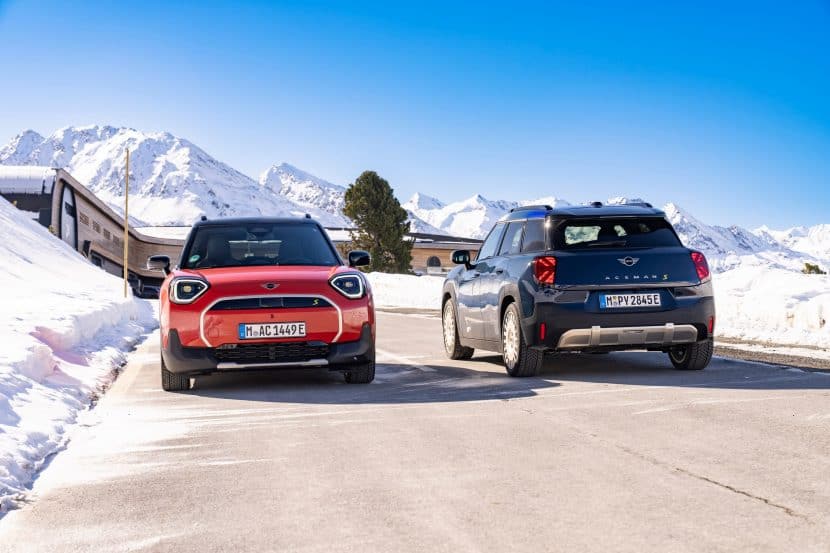


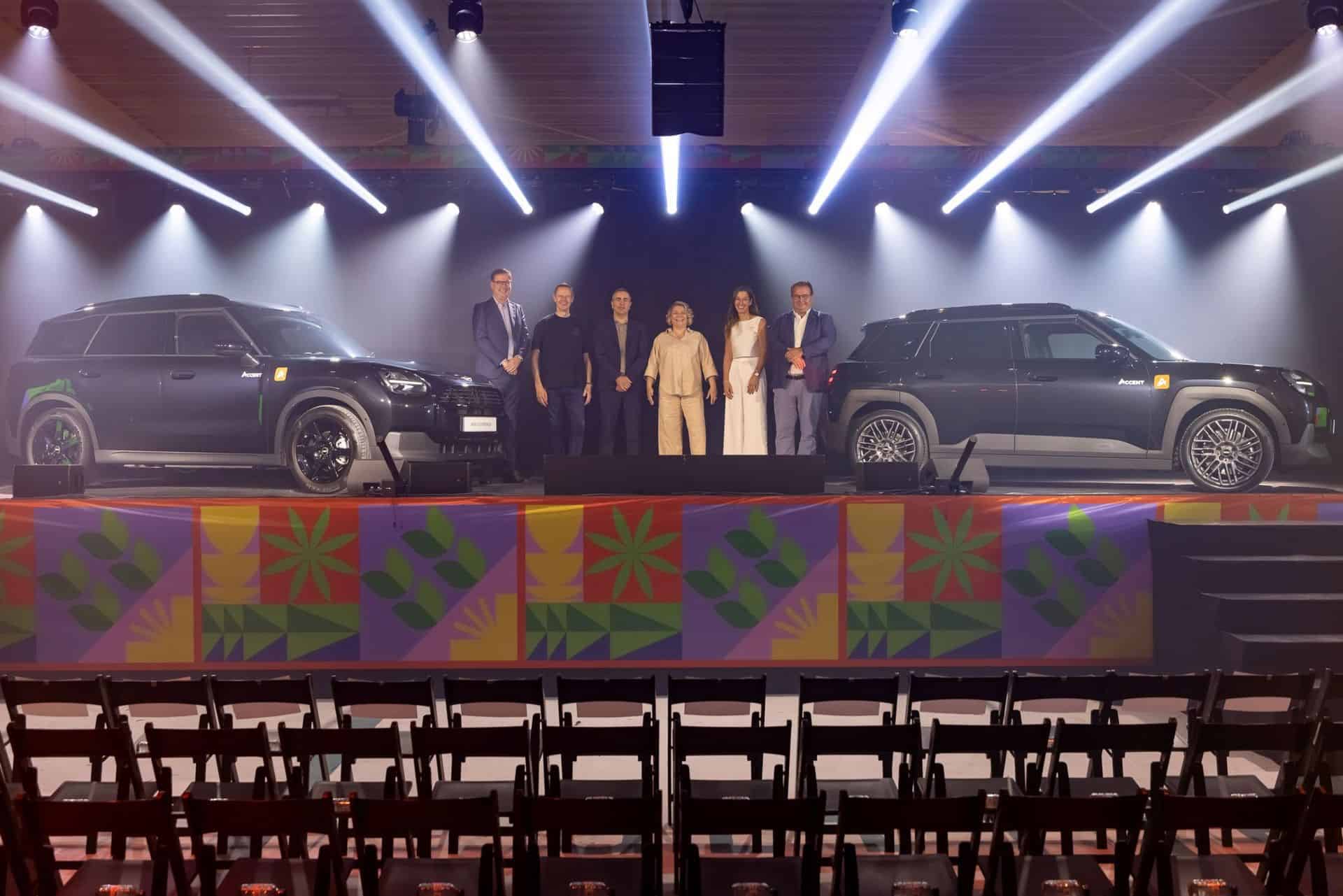
A Belgian staffing company just handed MINI the biggest single electric fleet order in the brand’s history. Accent, part of the House of HR group, ordered 500 fully electric MINIs that will roll out to employees across Belgium in the coming weeks and months.
The order covers all three of MINI’s current electric models: the Cooper, the Aceman crossover, and the larger Countryman SE. Accent plans to distribute the cars across its own workforce and those of sister companies Nowjobs and CTRL-F, matching vehicle size to job function. A recruiter hopping between nearby offices gets a Cooper. A regional manager covering highways across Flanders and Wallonia gets a Countryman.
Belgian dealer group Dejonckheere brokered the deal. Gabriel Goffoy, Head of MINI Belux, said the agreement took months to put together.
Accent CEO Stijn Vandervorst said he wanted a European-built brand that would let employees “travel smoothly, pleasantly, and proudly.” That phrasing is doing some heavy lifting, because the supply chain behind this order is more complicated than a simple European badge suggests.
Two of the three models in this fleet, the Cooper and the Aceman, are built on a platform co-developed with China’s Great Wall Motor and manufactured in China. Only the Countryman SE rolls off BMW’s line in Leipzig, Germany. So when Vandervorst talks about a European brand, he’s talking about the badge on the hood, not necessarily where the car was assembled.
That split production base is a persistent tension in MINI’s current lineup. The Countryman shares its bones with the BMW X1. The Cooper and Aceman do not. BMW has been careful about messaging, but a fleet order of this size draws from factories on two continents with different underlying architectures.
For MINI, the deal matters less for revenue than for what it represents strategically. Fleet sales have never been a big part of the MINI business the way they are for BMW’s 3 Series or 5 Series. MINI has always leaned on private buyers drawn to the design, the personality, the brand mythology.
A 500-car order, entirely electric, from a company with offices blanketing Belgium, pushes MINI into territory it hasn’t occupied before. Fleet customers buy on total cost of ownership, charging infrastructure feasibility, and residual value projections. They are unsentimental. The fact that Accent’s spreadsheet came back favoring MINI over the usual fleet suspects says something about where electric pricing and operational costs have landed in 2025.
It also raises a question MINI will need to answer as more fleet deals follow: can the brand hold onto its identity as a lifestyle product while chasing volume from corporate procurement departments? Every automaker that has tried to be both cool and fleet-friendly has eventually had to pick a lane.
Accent’s cars haven’t all been delivered yet. The phased rollout means some employees are still waiting. Whether this becomes the template for more large-scale MINI fleet deals across Europe depends on how smoothly 500 electric cars integrate into a staffing company’s daily grind, not on how good the press release sounds today.

Share this Story