
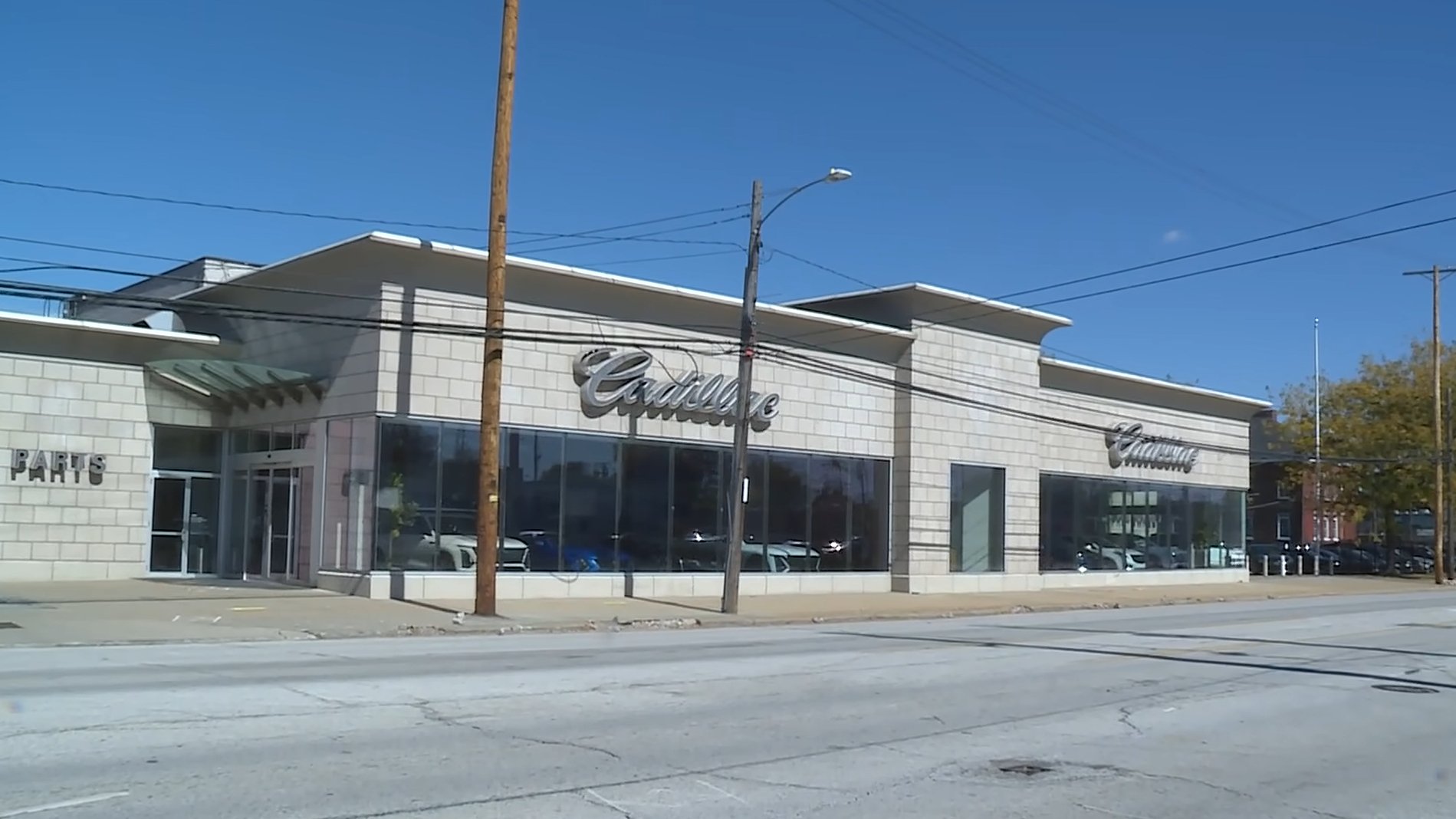


Mark Moore did everything right. He flew from Atlanta to Cleveland, bought a used Mercedes-Benz from Central Cadillac, put $30,000 down, and never missed a payment for two years. Then the car vanished from his driveway.
Police told him it wasn’t stolen. Mercedes-Benz Financial Services had repossessed it. According to the finance company, Moore didn’t own the car. The previous owner’s name was still on the real title, attached to a six-figure loan that had gone delinquent. The car Moore had been faithfully paying for belonged, on paper, to someone else entirely.
The root cause is title washing, a fraud scheme that exploits loose titling procedures in certain states. A fraudster obtains what looks like a clean, unbranded title, sells the car for cash, and disappears. The loan attached to the vehicle, likely taken out using a stolen identity, keeps ticking. When the lender finally catches up, whoever’s holding the keys loses.
In this case, the fraud burned three parties deep. The dealer who originally bought the car from the scammer got burned. Central Cadillac, which purchased it from that dealer, got burned. And Moore, the end customer who trusted a franchise dealership to deliver a legitimate vehicle, got burned worst of all.
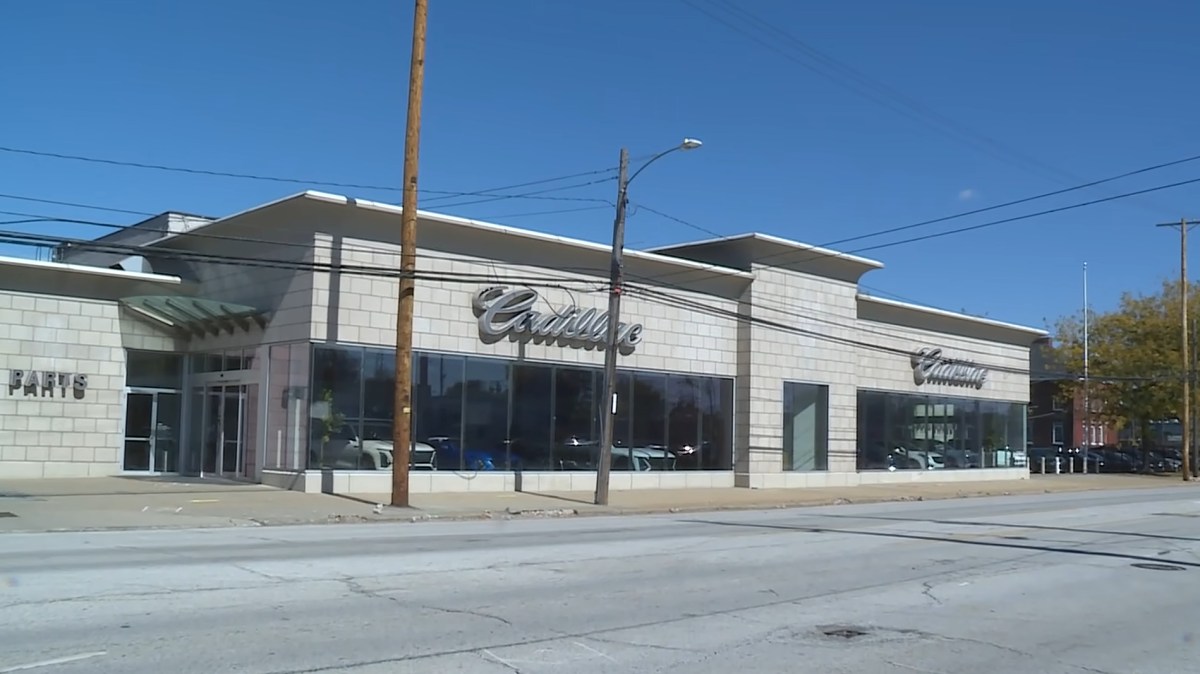
Moore isn’t asking for blood. He’s asking for $88,931.87, the sum of his down payment, his continued loan payments over six months without a car, and the remaining balance on the loan. “I am not seeking punitive damages,” he said in a Facebook post detailing the ordeal. “I am simply seeking a refund.”
Central Cadillac told Cleveland’s WKYC that it intends to reimburse Moore, but only after it receives compensation from its own insurance company. That timeline is undefined. Moore, meanwhile, is still writing monthly checks on a car he cannot drive, from a city 600 miles away from the dealership that sold it to him.
The dealership’s position is that it, too, was a victim. It says the dealer it bought the car from is the party to blame. That may be true. But Moore didn’t buy the car from that dealer. He bought it from Central Cadillac. The chain of liability should flow backward from the point of sale, not forward onto the customer.
Moore has been making payments for over two and a half years. If he were part of the scam, he would have been a ghost 30 months ago. Instead, he’s still paying, still asking politely, still waiting.
A franchise dealership with the resources, the legal team, and the insurance coverage to fight this fight is asking a retail customer to sit tight while it sorts out its own mess. Moore didn’t cut corners. He didn’t buy the car out of a parking lot from a stranger. He walked into a Cadillac store and trusted the name on the building.
That trust cost him nearly $90,000 and counting. Central Cadillac says the check is coming. Moore is still waiting to hear when.
Share this Story