


Mark Kato has spent 34 years in the car business, and Hyundai just handed him the keys to its entire North American dealer strategy. The automaker promoted Kato to vice president of dealer network development effective Oct. 12, putting him in charge of expanding and supporting retail operations for both the Hyundai and Genesis brands across the region.
It is not a glamorous headline. No new car reveal, no splashy concept. But the move tells you exactly where Hyundai’s head is right now.
The company is in the middle of the hottest sales streak in its history. Q3 2026 was its best third quarter ever, with 246,896 units sold, a 3% year-over-year gain. Hybrid sales surged 39% in September alone, following a 71% jump in Q2.
First-half 2026 was a company record. And when volume climbs like that, the dealer network either keeps up or becomes the bottleneck.
Kato previously served as executive director of dealer development, overseeing agreements, performance management, analytics and branding. He joined Hyundai in 2011 after two decades on the OEM side working in regional dealer operations and network planning. CEO Randy Parker called him “the right leader to help our dealer partners succeed and keep our networks competitive for years to come.”
The timing matters more than the title. Hyundai Motor Co. announced in March that it plans to launch 36 new or enhanced models in North America between 2026 and 2030, spanning internal combustion, hybrid, battery electric and extended-range electric powertrains. That is part of a $26 billion U.S. investment commitment, its largest in any single market worldwide.
Thirty-six models in five years means dealers will need new tooling, new training, new service capabilities and, in many cases, new facility upgrades to handle the mix. Someone has to manage that transition without blowing up the relationships that keep cars moving off lots. That is Kato’s job now.
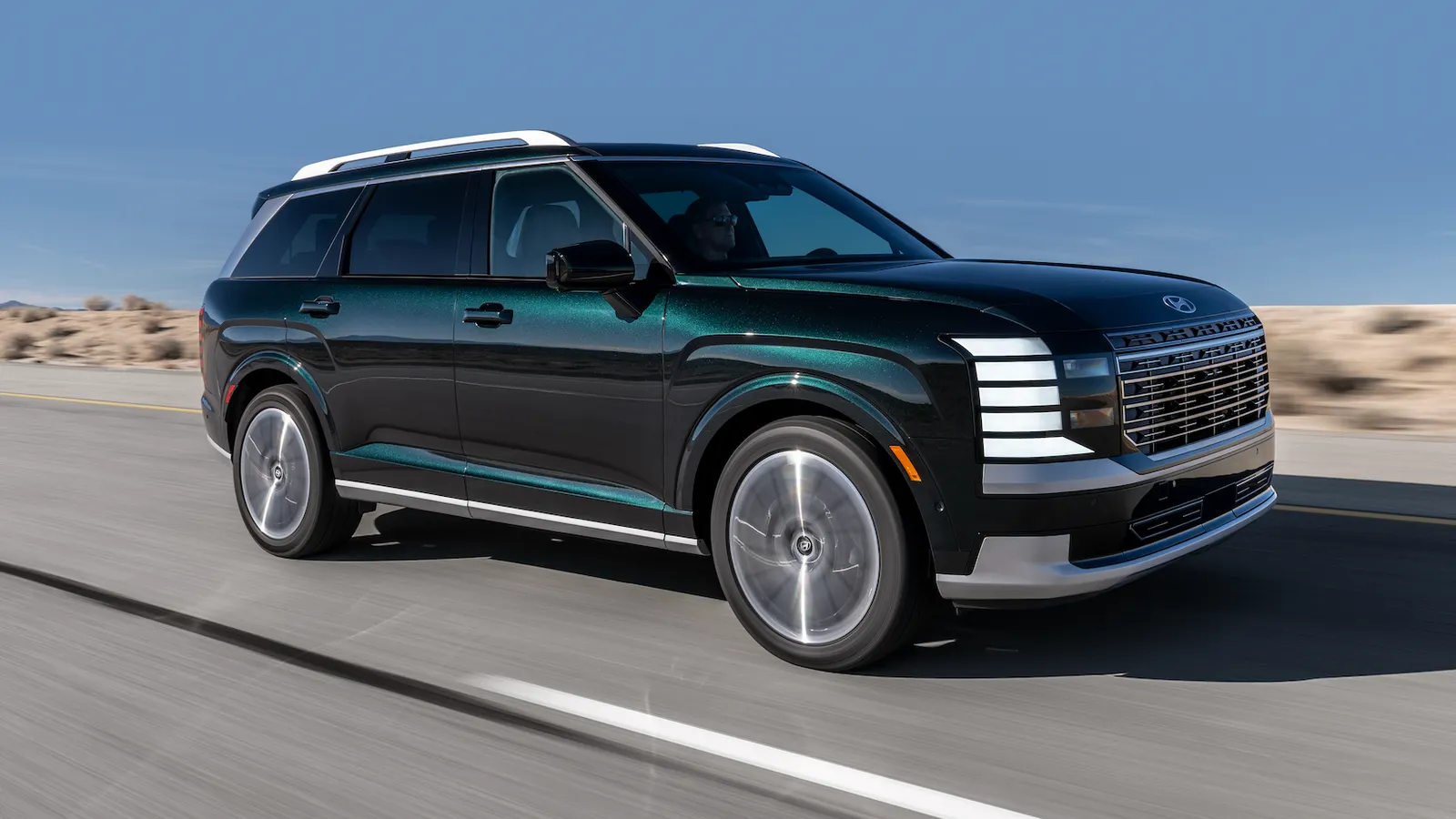
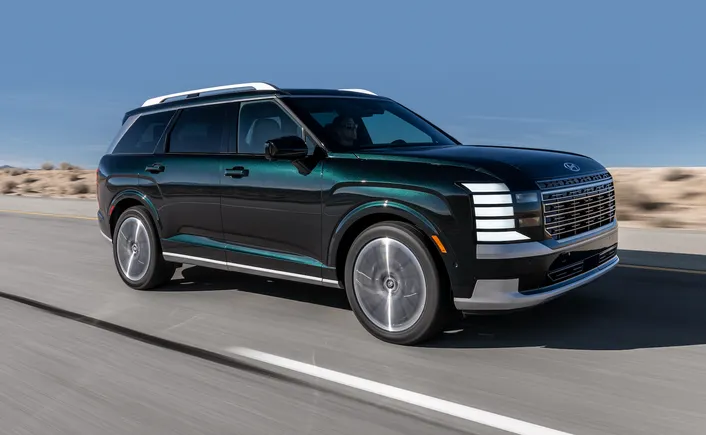
Soaring fuel costs have been a tailwind, pushing buyers toward Hyundai’s expanding hybrid lineup. The 2027 Palisade Hybrid is one of the fresher entries, and the brand’s ability to offer efficient alternatives across multiple segments has translated directly into market share gains.
But product alone does not sustain momentum. Delivery experience, service quality and dealer profitability do.
Genesis adds another layer of complexity. The luxury brand shares infrastructure with Hyundai at the corporate level but demands a different retail experience, different staffing and different customer expectations. Kato will oversee both networks simultaneously, a balancing act that requires someone fluent in the economics of volume retail and the nuances of premium service.
Hyundai’s dealer body has historically been smaller and less established than those of Toyota or Honda. Rapid growth can strain those relationships, particularly when factory mandates around electrification and facility standards collide with dealer capital constraints. The fact that Hyundai elevated this role to the VP level suggests the company recognizes the pressure its own success is creating at the retail level.
Parker’s language was deliberate. He described Kato as someone who brings “a practical, dealer-focused perspective.” In an industry where factory-dealer tensions routinely spill into lawsuits and legislative fights, that phrasing reads like a signal to franchisees that Hyundai intends to grow with them rather than around them.
Whether that promise holds through 36 model launches and a $26 billion buildout remains the open question.


Share this Story