


On August 31, 1951, a Beetle rolled off a production line in Uitenhage, a small Eastern Cape town that had existed for barely 150 years. Seventy-five years later, Volkswagen is still there, still building cars, and still trying to figure out what Africa means for its future.
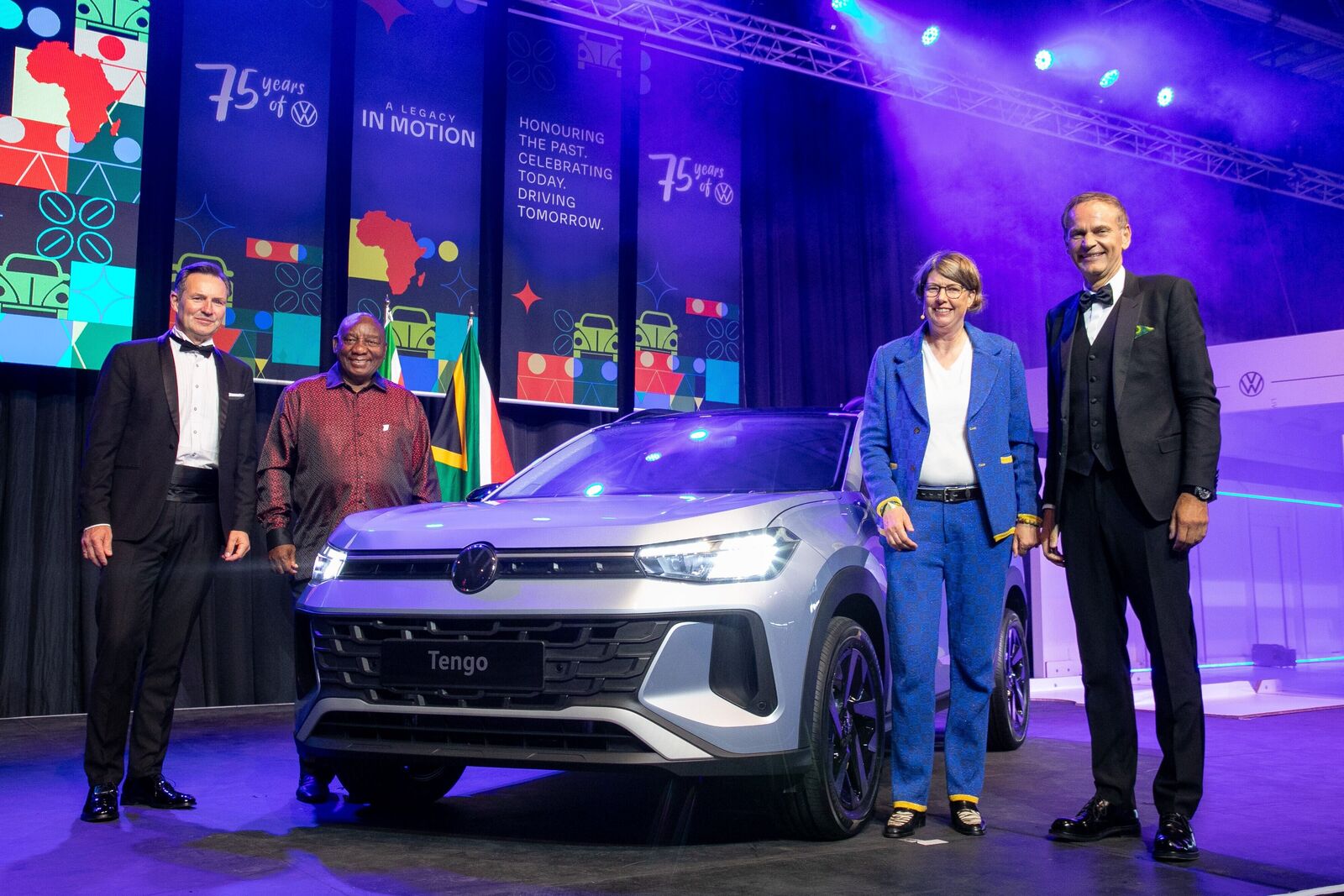
The Kariega plant, as it’s now known, has produced over 4.8 million vehicles across nearly 40 models. More than three million of those were sold domestically. Today it is the sole global source for the Polo, builds South Africa’s best-selling passenger car in the Vivo, and will soon add a third model called the Tengo.
That’s a factory pulling serious weight for a brand under enormous pressure back in Wolfsburg.
The company quietly renamed itself Volkswagen Group Africa in 2025, a signal that Kariega is no longer just a production outpost. It now serves as regional headquarters overseeing assembly operations in Kenya, Rwanda, and Ghana. The ambition is continental, even if the infrastructure and market demand across much of Africa remain uneven.
The origin story reads like a footnote from a different era. The factory originally belonged to South African Motor Assemblers and Distributors, or SAMAD, which also assembled Studebakers and Austins. Volkswagenwerk bought a controlling stake in 1956, making it VW’s first plant outside Germany.
Full subsidiary status came in 1974. Between those dates, and well after them, the plant navigated one of the most fraught political landscapes any automaker has ever operated in. During apartheid, Volkswagen trained Black artisans inside the factory while segregation was enforced by law outside its gates.
The company worked alongside figures like John Gomomo, one of its first shop stewards, who later became a member of Parliament. That history is not decoration. It shaped the plant’s labor culture and community ties in ways that persist.
Since 1994, Volkswagen has poured roughly R800 million into local community projects. During Covid-19, the company opened a field hospital, funded a vaccination center, and upgraded testing labs.
Thomas Schäfer, now VW brand CEO globally, once ran the South African operation himself. His comments at the anniversary carried the tone of someone who knows the plant personally. “Global success is not created at headquarters,” he said. It is built by strong teams, strong locations and strong local roots.
That line does double duty. It flatters Kariega, but it also hints at VW’s broader strategic pivot away from centralized European production toward a more distributed manufacturing network. With tariffs reshaping trade flows and Chinese competitors flooding traditional markets, a well-run plant on a continent of 1.4 billion people looks less like a legacy asset and more like a forward position.
Martina Biene, the managing director of Volkswagen Group Africa, called the company “the second-oldest vehicle brand in South Africa.” She pointed to the workforce as the reason for longevity. “We are only able to make this claim because we have had a long history of dedicated employees building not just vehicles, but a legacy.”
The celebration itself is modest by corporate standards. A co-branded coffee with Mastertons, South Africa’s oldest roaster. A gala dinner and an employee event.
No new EV announcement. No billion-dollar investment pledge. Just a plant that has outlasted apartheid, multiple economic crises, and several rounds of VW’s own internal restructuring, quietly preparing to add another model to its line while Wolfsburg figures out where the next decade takes the brand.
Share this Story