
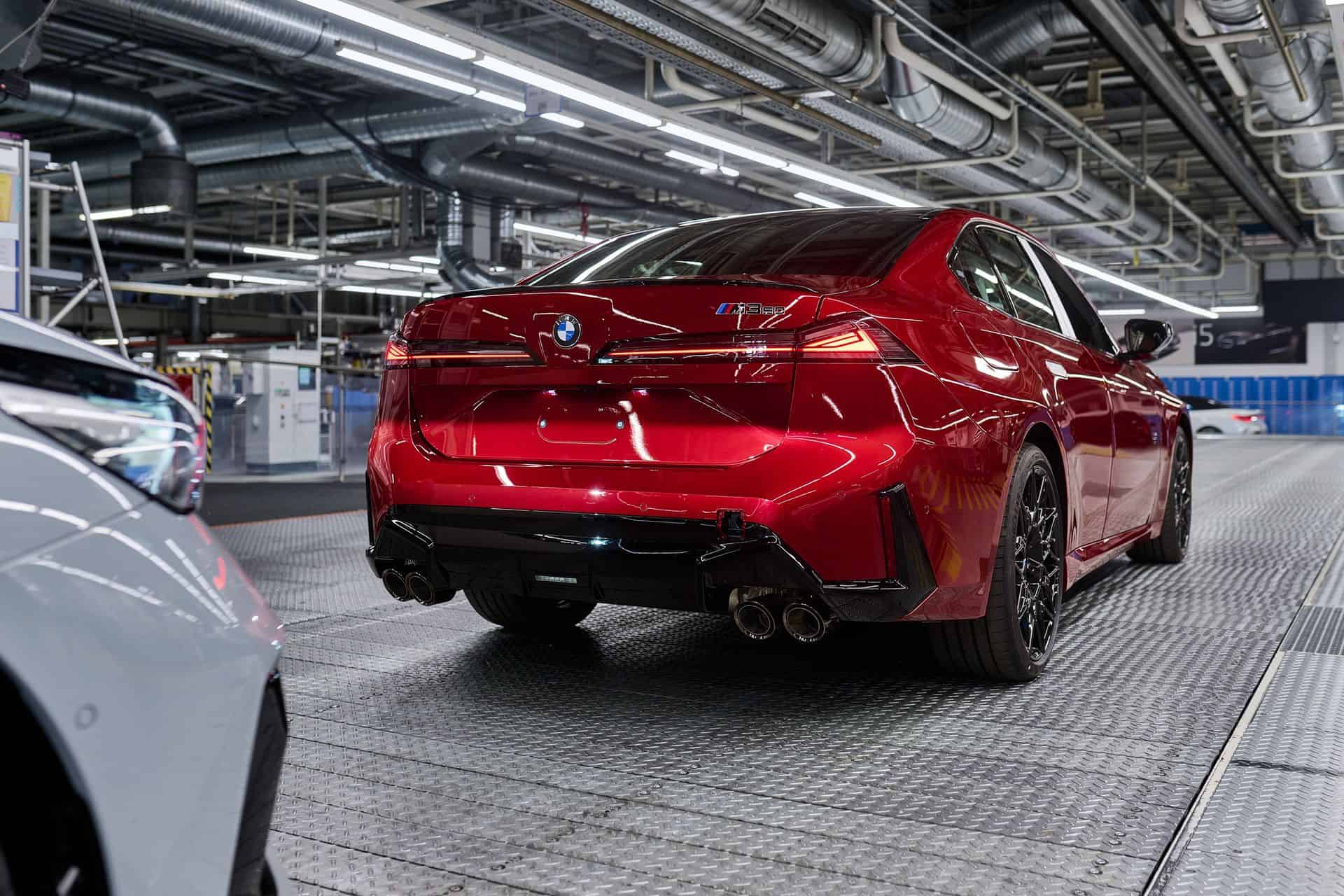


The BMW 3 Series is leaving Mexico. Seven years after the G20 sedan became the first car to roll off the line at BMW’s San Luis Potosí plant, the new G50 generation will be built in Dingolfing, Germany instead. Production of the combustion-powered 3 Series begins there in November.
A BMW spokesperson told Automotive News the decision was made well before the current tariff mess, not because of it. Take that at face value or don’t.
The San Luis Potosí factory opened in 2019 with the 3 Series as its flagship product, exporting sedans to roughly 80 markets worldwide. After the 2022 facelift, BMW even said U.S.-bound 3 Series models would come exclusively from Mexico, though some cars continued trickling out of Munich. Now the whole operation is shifting back to German soil.
That makes the G20 a one-generation guest in Mexico. It also marks the first time the conventionally powered 3 Series won’t be assembled in Munich, consolidating ICE production of BMW’s bread-and-butter sedan entirely at Dingolfing. That plant already handles the 4 Series, 5 Series, i5, 7 Series, i7, and iX.
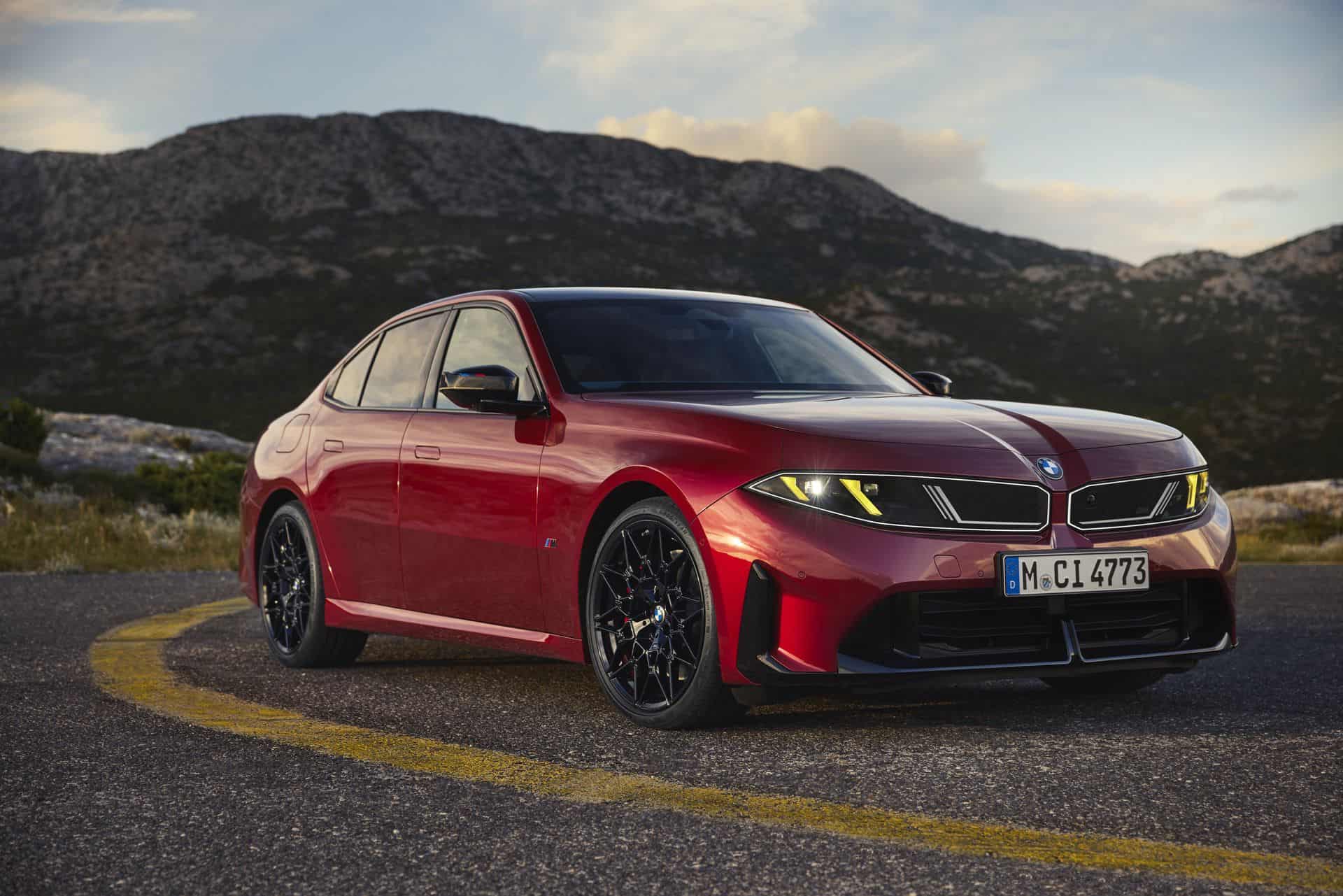
San Luis Potosí isn’t losing work. It’s changing work. BMW is pouring €800 million into converting the plant for Neue Klasse production, including €500 million for a new battery assembly facility.
Starting in 2027, the factory will build the electric iX3 crossover and the i3 sedan, both riding on BMW’s dedicated EV architecture with Gen6 batteries and motors. There is a certain poetry to it. The plant that launched with the 3 Series will transition to building what BMW itself calls the electric 3 Series.
Different name, different powertrain, same spiritual lineage. Whether the market agrees with that positioning remains to be seen.
The 2 Series Coupe and M2 stay put in Mexico, expected to continue production through the end of the decade. What follows them is uncertain, and enthusiasts should be watching closely. BMW has already confirmed the front-drive 2 Series Active Tourer, built in Leipzig, will die after its current generation, and a next-gen rear-drive 2 Series coupe is anything but guaranteed.
In 2025, San Luis Potosí assembled 95,525 vehicles, a modest 0.3 percent increase year over year. Dingolfing, despite a 6.1 percent decline, still cranked out 279,553 cars. Adding the 3 Series to Dingolfing’s already packed roster will test that plant’s capacity, particularly as the 8 Series retirement earlier this year and a possible iX phase-out free up some bandwidth.
Munich, meanwhile, is on its own transformation path, switching exclusively to electric vehicle production at some point in 2027. The 4 Series will leave that factory too.
The pattern across BMW’s global manufacturing network is unmistakable. German plants are splitting into EV-only and ICE-consolidation roles. Mexico is pivoting entirely toward Neue Klasse.
The 3 Series, the car that defined BMW for decades and christened the San Luis Potosí factory, is now a symbol of that transition rather than an anchor against it. Whether the €800 million bet on Mexican EV production pays off depends on battery costs, consumer appetite for electric sedans north of $45,000, and trade policies that shift with every election cycle.
BMW says tariffs had nothing to do with pulling the 3 Series. The i3 and iX3, though, will be built in a factory whose economics could look very different depending on what Washington decides next.
Share this Story