
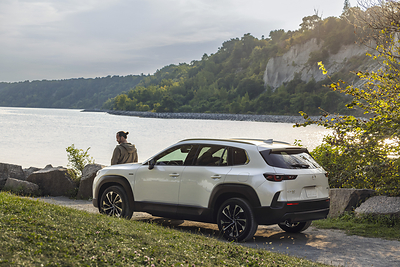


Mazda sold 34,519 vehicles in the U.S. last month, a 31.9 percent jump over September 2025 and the brand’s best September ever. The press release practically glows. But pull back to the year-to-date picture and those numbers curdle: 310,268 units sold through nine months, down 2.9 percent from the same stretch a year ago.
That gap between a record month and a shrinking annual total tells you everything about where Mazda sits right now. The company is surging on specific products while watching its broader lineup leak volume it cannot afford to lose.
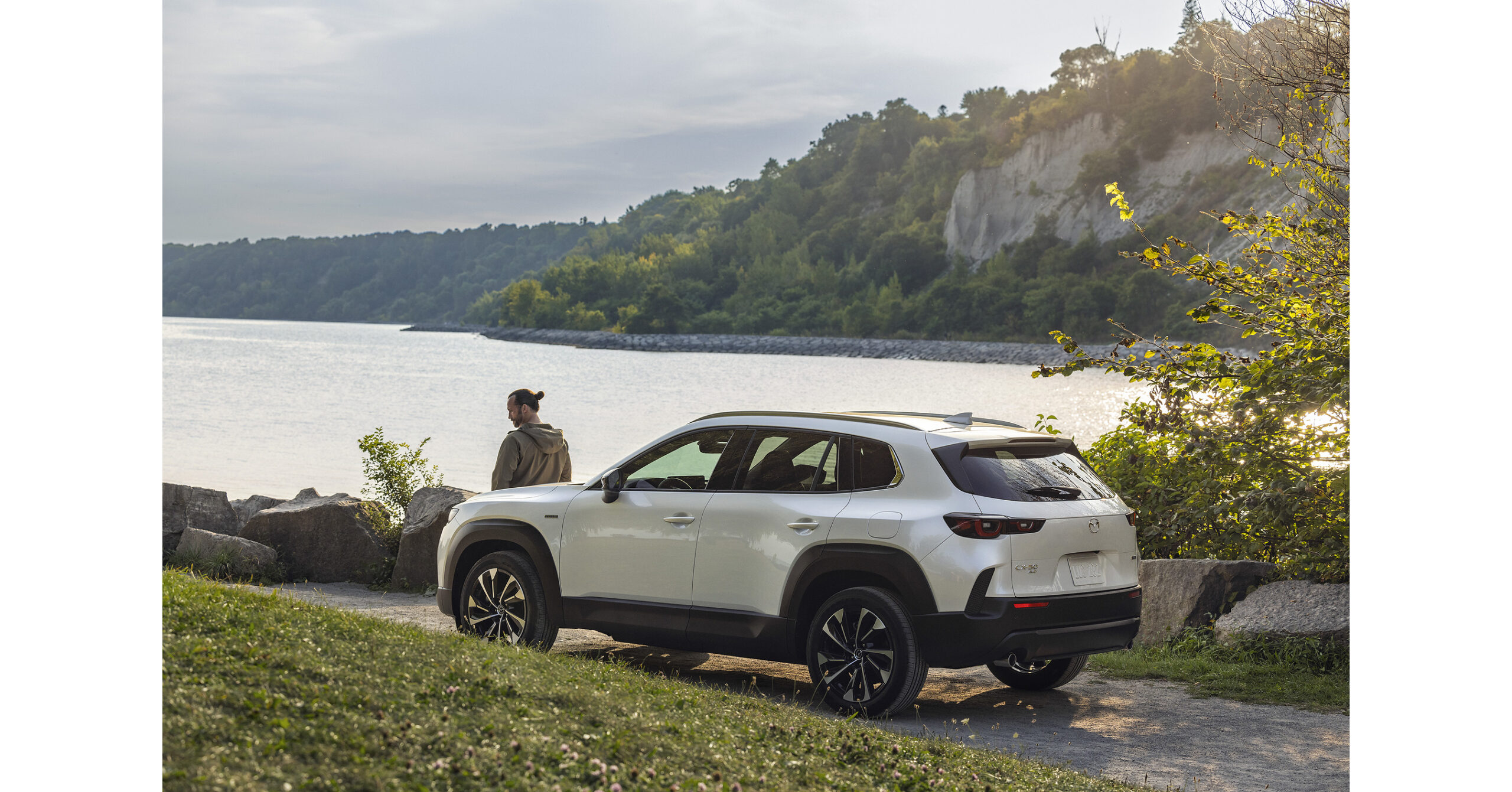
The CX-50, in both its internal combustion and new hybrid forms, posted its best September ever. The CX-50 Hybrid in particular is doing what Mazda hoped it would, pulling showroom traffic and giving dealers something fresh to sell against the Toyota RAV4 and Honda CR-V. Combined CX-50 sales hit 9,147 units for the month, though that represents only a 3.1 percent gain over last year, and on a daily selling rate basis it actually slipped 1.1 percent.
The bloom is already fading on what should be a volume cornerstone.
The CX-90 posted a 49 percent monthly spike, its best September for the mild-hybrid variant. But year-to-date CX-90 sales sit at 34,999, down 21.7 percent from the 44,709 units moved through the same period in 2025. That is not a rounding error — that is a three-row SUV losing more than a fifth of its buyers in a segment that remains fiercely competitive.
The CX-70 tells a similar story. September was strong, nearly doubling year-over-year, but the model is still down 21 percent for the year. Mazda’s two-row and three-row premium plays are both struggling to hold the ground they gained at launch.
Then there is the CX-5, still the company’s best-selling nameplate at 11,345 units in September. It climbed 37.8 percent for the month, yet it is down 9.5 percent year-to-date. The CX-30, once a growth driver, has cratered 27.1 percent on the year, falling from 47,147 to 34,386 units.
That is a massive contraction in a compact crossover class where rivals are gaining.
The bright spot that nobody expected is the Mazda3. The sedan and hatchback combined for 3,704 sales, up 146.9 percent over a year ago, pushing the car’s year-to-date total past 32,000 units. In a market where sedans are supposed to be dead, Mazda is selling them at a pace not seen in years. Whether this reflects genuine demand or aggressive incentive spending is worth watching.
Canada was not kind to Mazda in September: 6,454 units, a 19.3 percent decline, with year-to-date volume down 12.3 percent. Mexico provided a buffer, rising 15 percent for the month and 5 percent for the year, but the Canadian erosion is substantial enough to drag down the North American picture.
Certified pre-owned sales ticked up 3.7 percent to 6,194 units. A modest gain that suggests Mazda’s used pipeline remains stable without generating any real momentum.
The math is simple. Mazda’s truck and crossover lineup, which accounts for roughly 87 percent of U.S. volume, is down 6.7 percent for the year. Cars are up 33 percent but represent barely 13 percent of total sales, so the sedan revival cannot compensate for the crossover losses.
A record September will make the quarterly earnings call easier. But nine months of data say Mazda is leaning heavily on a small number of hot models while the rest of the lineup quietly gives back ground it spent years trying to claim.

Share this Story