
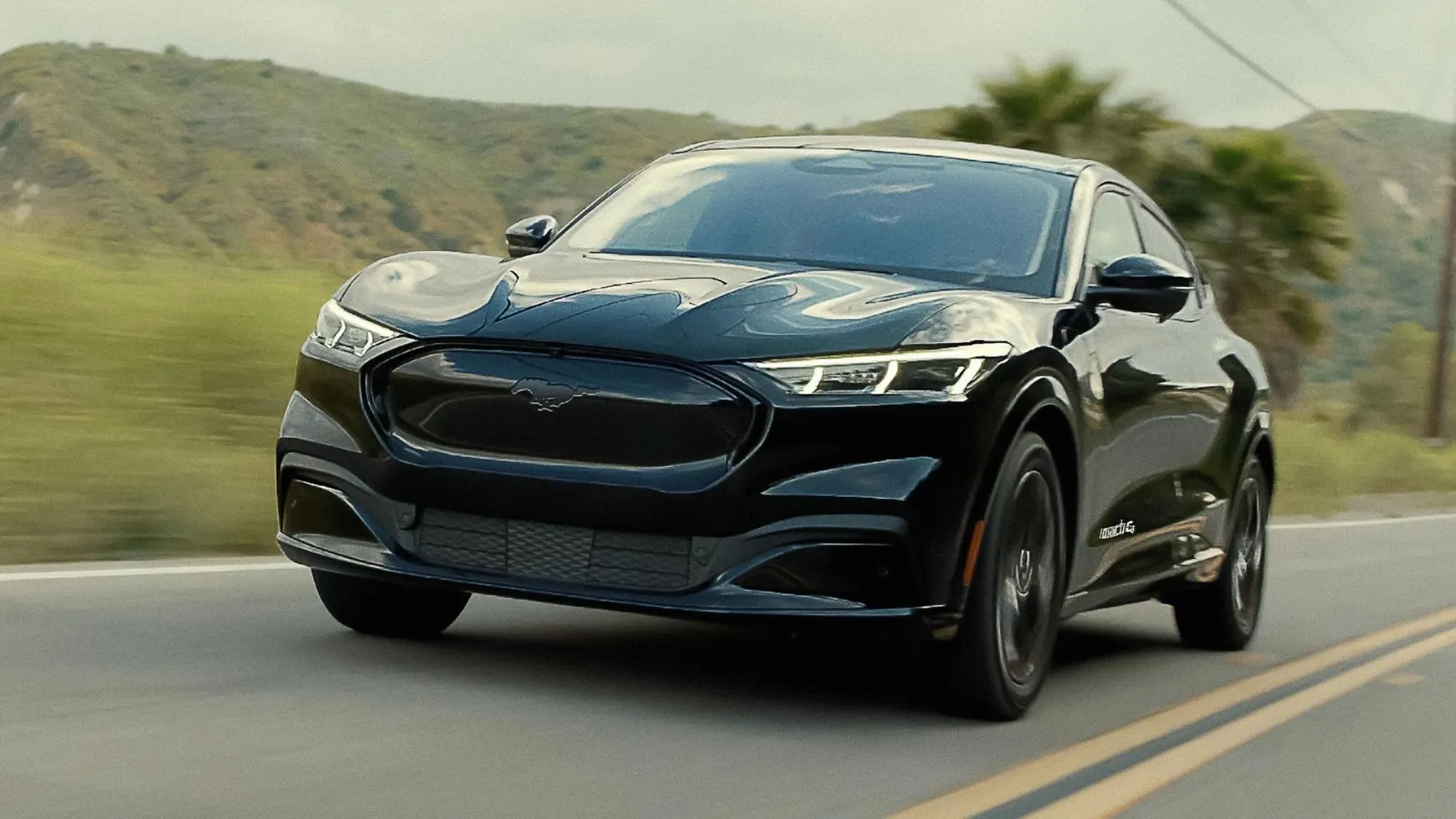


Three years ago, the Inflation Reduction Act’s leasing loophole turned electric vehicles into irresistible deals. Now the bill is coming due, literally, and dealers are staring down a tsunami of used EVs heading for auction.
Cox Automotive’s latest Manheim Used Vehicle Value Index, released July 8, lays out the math. An estimated 195,446 EV leases will mature in the second half of 2026 alone, nearly double the 105,653 in the first half. Total lease maturities across all powertrains hit roughly 3 million this year, then jump 42% to 4.3 million in 2027.
EVs’ share of that pool is climbing fast, from 4.4% in 2025 to 9.9% this year, 13.6% next year, and 18.4% by 2028.
The loophole that created this wave was simple and effective. Foreign-made and luxury EVs that wouldn’t have qualified for the $7,500 federal tax credit could get it anyway, but only through a lease. Consumers flooded in, and now those 36-month contracts are expiring.
Ford Credit reported a lease return rate of 48% in Q1 2026, up from a recent low of 39% in mid-2025. That’s still well below the pre-pandemic norm of 80% in early 2019, but the trend line is unmistakable. EVs are returning at even higher rates because their street values cratered after the $7,500 new-vehicle tax credit expired, leaving buyout prices well above what the cars are actually worth on the open market.
Cox Automotive’s Jeremy Robb put it bluntly: “These units are highly underwater relative to the market overall.”
So the supply side of the equation is clear. What’s less certain is whether demand can absorb the flood.
This is where gas prices enter the picture. Robb had expressed cautious optimism in late June that easing tensions around the Strait of Hormuz might bring fuel costs down. By July 8, that optimism was gone. “Apparently it’s not over yet,” he said during the Manheim briefing. “As of this morning, it looks like the deal is off and oil prices are rising in response.”
Higher pump prices have already pushed more buyers toward used EVs. Robb confirmed that three-year-old used retail EV prices have been rising even as supply increases, a rare and telling divergence. Pain at the pump is doing what environmental messaging and government incentives couldn’t sustain on their own: making electric vehicles look like the rational economic choice.
The question for dealers is whether that demand growth can keep pace with supply that’s doubling every year through 2028. Jonathan Gregory, Cox’s senior director of Economic and Industry Insights, identified supply as the defining variable. More off-lease EVs are expected to bypass dealer buyouts and flow directly to wholesale auctions, giving franchise stores and independent lots alike unprecedented access to late-model electric inventory at competitive prices.
That’s either an opportunity or a problem, depending on where gas prices land.
If oil stays elevated and consumers keep gravitating toward battery power as a hedge against $4-plus gasoline, the used EV market could find its footing. Rising supply meets rising demand. If fuel prices retreat and buyer interest cools, dealers will be sitting on depreciating metal that already arrived underwater.
The IRA’s leasing loophole was a masterclass in unintended consequences. It pulled EV demand forward, concentrated it in leases, and created a delayed wave of wholesale supply that nobody can stop. Whether that wave lifts the used EV market or swamps it now depends on something no policymaker planned for: the price of a barrel of crude.



Share this Story