
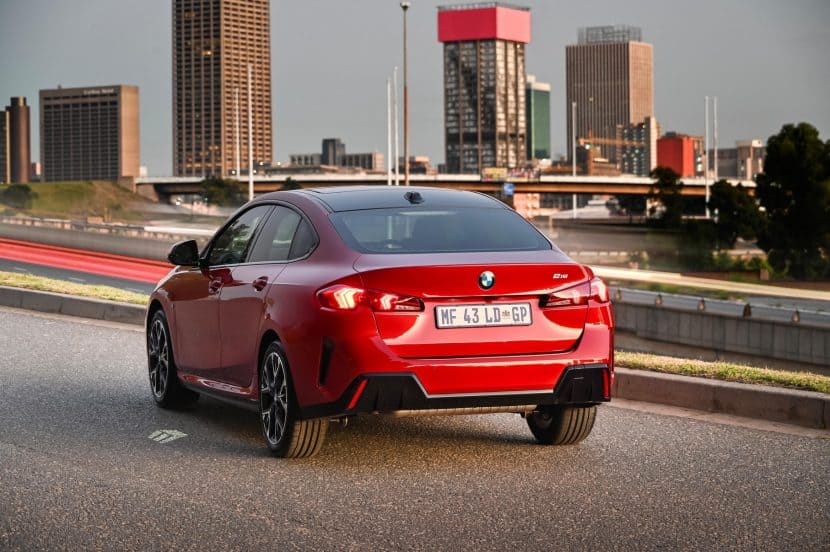


BMW moved 1,004,681 cars in the first half of 2026. Mercedes managed 837,200. Audi trailed at 727,200. Those are the scoreboard numbers, and BMW wins the round by a comfortable margin. But zoom out and the picture turns ugly fast — all three German luxury stalwarts are bleeding year over year, and the wound is coming from the same place: China.
BMW’s 6.2% decline looks almost healthy stacked against Mercedes at minus 7%, Audi at minus 7.2%, and Porsche’s brutal 16.5% cratering to just 122,300 units. Being the tallest person in a shrinking room is still shrinking.
The China numbers tell the real story. BMW Group, including MINI, dropped 20.4% in the world’s largest auto market, delivering 261,773 vehicles through June. Mercedes fell 28% to 210,200. Porsche collapsed 32% to a mere 14,501 cars — barely a rounding error for a brand that once treated Shanghai like a second hometown.
Audi hasn’t broken out its China figures yet, but the parent Volkswagen Group disclosed a 25.9% decline to 1,313,800 units across the country. That tells you everything you need to know about Ingolstadt’s situation.
The trajectory is relentless. BMW Group sold a record 847,900 vehicles in China in 2021. By 2025, that had eroded to 626,000. The first-half 2026 pace points to something well south of 525,000, a figure that would have been unthinkable five years ago.
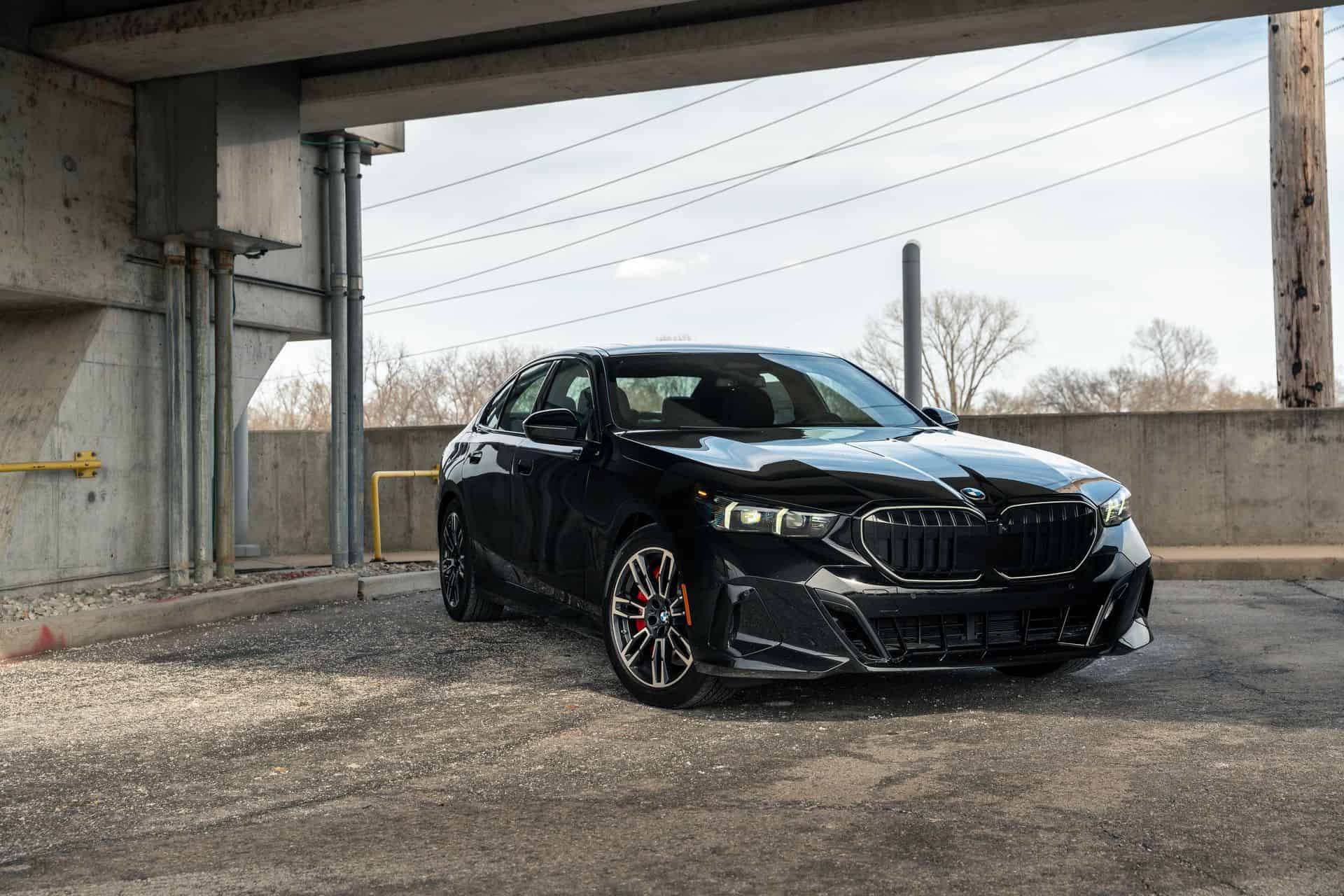
What’s replacing them isn’t a mystery. BYD, NIO, Li Auto, Xiaomi, and a growing roster of others are delivering cars with equivalent or superior technology at significantly lower prices. The design gap that once made Western luxury feel aspirational has vanished. Chinese consumers aren’t settling for domestic product anymore — they’re choosing it.
This is a structural shift, not a cyclical dip. German brands built their modern business models on the assumption that China’s rising middle class would remain loyal customers for decades. That bet is unwinding in real time.
BMW deserves credit for offsetting some of the damage. U.S. sales climbed 3.9% and European deliveries rose 5.4% through June, enough to keep the overall decline manageable and maintain clear distance over its rivals. Mercedes and Audi have not shown the same resilience outside China.
Still, resilience is relative. No amount of growth in Munich’s home market or the American Sunbelt fully replaces the volume and margins that China once provided. The profit warnings and strategy revisions already filtering through Stuttgart and Wolfsburg will eventually reach BMW too, if the China slide doesn’t stabilize.
Porsche’s numbers are the canary. A 32% drop in a single market for a brand that leans heavily on high-margin, low-volume sales is existential-level math. The 911 still sells itself in most of the world, but Cayennes and Taycans are getting undercut by Chinese electric SUVs that cost half as much and charge just as fast.
The first-half leaderboard says BMW is winning. The first-half trendlines say the game itself is changing. Crossing one million units used to signal dominance. In 2026, it signals survival skills — the ability to grow in the West fast enough to mask a retreat in the East.
BMW is managing that trick better than anyone in its peer group. The second half will test whether “better than Mercedes and Audi” is a strategy or just a consolation prize.

Share this Story