


A company called It’s Electric just cut a deal with Philadelphia to install up to 1,000 Level 2 curbside chargers across all 18 of the city’s planning districts. If City Council approves enabling legislation in a June vote, Philadelphia becomes the first American city to attempt city-wide curbside Level 2 charging at this scale.
That “if” matters. Nothing gets built without the vote.
The agreement grants It’s Electric an exclusive license to install and operate the chargers on city streets. The startup, currently operating in seven U.S. cities, calls this its first major municipal concession deal. First chargers are targeted to go live in early 2027, with the full rollout planned in phases.
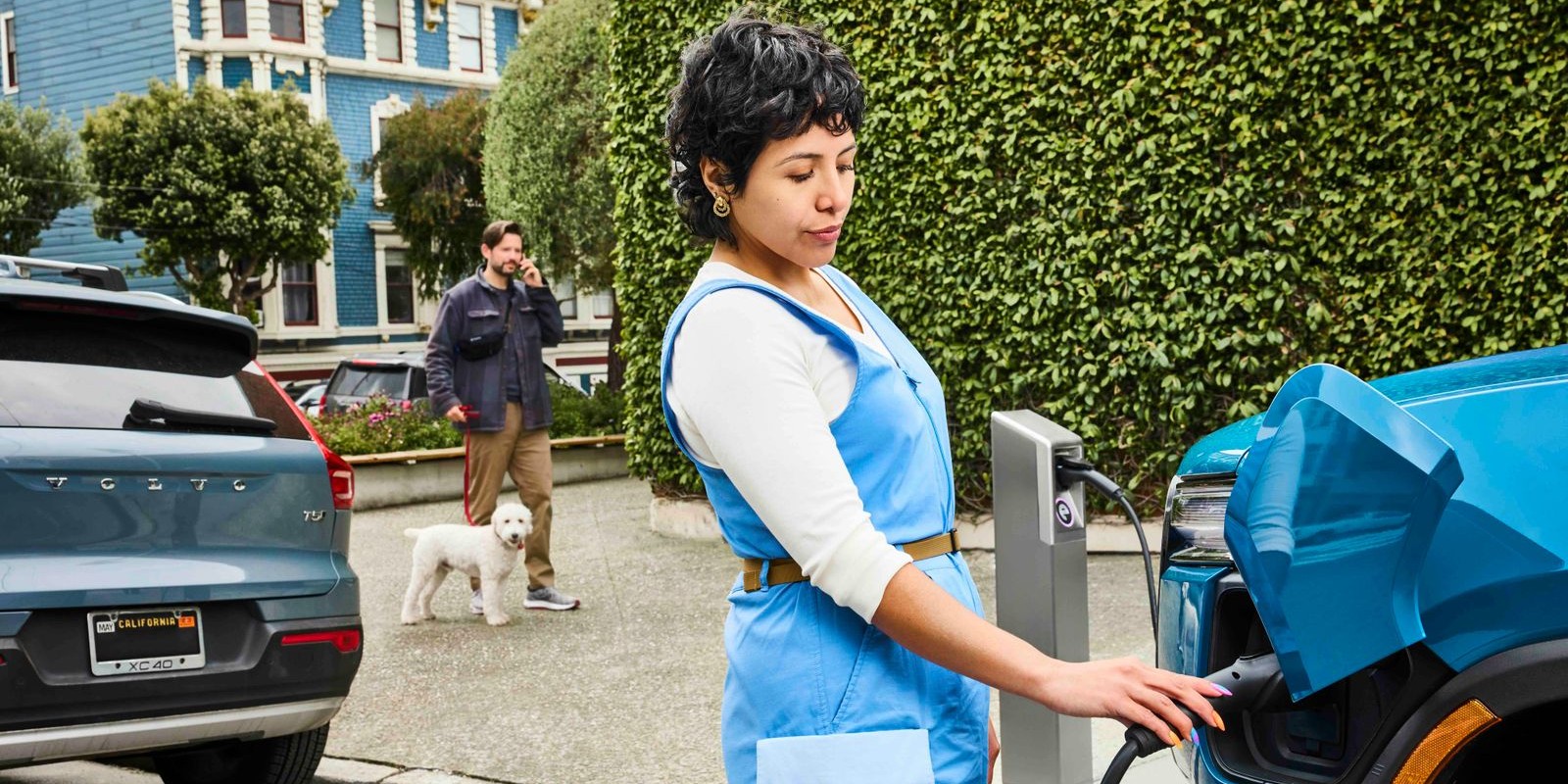
Here’s the number that makes the whole project make sense: more than 60 percent of Philadelphia households lack off-street parking. No driveway, no garage, no place to plug in overnight. For the majority of Philly residents, curbside charging isn’t a luxury — it’s the only realistic path to EV ownership.
That’s a fundamentally different proposition than dropping fast chargers along highway corridors or wiring up suburban parking garages. This is block-by-block urban infrastructure aimed at row-house neighborhoods where a Tesla Supercharger would be useless.
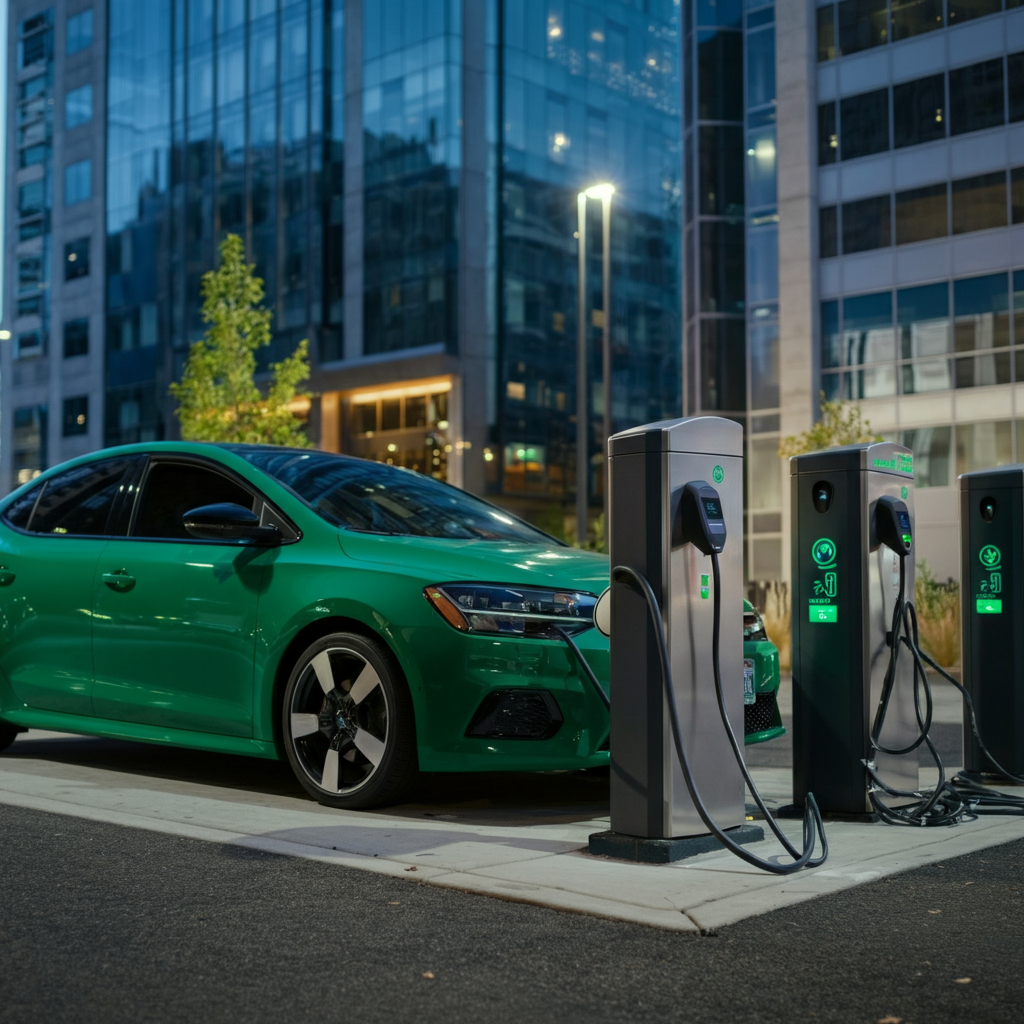
It’s Electric’s hardware draws power from existing building electrical service or utility poles rather than requiring new dedicated grid connections. The company calls it a “behind-the-meter” approach and claims it sidesteps the interconnection delays and costly grid upgrades that have bogged down public charging deployments elsewhere. Whether that holds up at a thousand-unit scale in a city with aging electrical infrastructure remains to be seen.
Site selection will prioritize rideshare driver density, gaps in existing public charging, and alignment with environmental justice communities. The company says underserved neighborhoods get chargers from the start, not after the network matures and migrates outward from wealthier zip codes. Philadelphia’s Climate Action Playbook and a local resident waitlist will also guide placement.
City Councilmember Michael Driscoll, who chairs the Transportation Committee, introduced the legislation on behalf of Council President Kenyatta Johnson. The political machinery appears aligned, but council votes in Philadelphia are never a formality.
Nathan King, co-founder and CEO of It’s Electric, framed the stakes bluntly: “Philly is exactly the kind of city where curbside charging isn’t a nice-to-have: it’s the only way most residents will ever be able to own an electric vehicle.”
He’s not wrong. The national EV conversation has been dominated by range anxiety and highway fast-charging networks, problems that matter most to suburban and exurban drivers. Dense cities like Philadelphia, Boston, and Baltimore face a different bottleneck entirely. You can have a 300-mile range battery and still be stuck if there’s nowhere to charge within walking distance of your apartment.
The project is backed by city funding, state grants, and utility partnerships, though specific dollar figures haven’t been disclosed. It’s Electric recently completed a 90-port expansion in Los Angeles with LADOT and ran a building-powered pilot in Detroit. Philadelphia would dwarf both.
A thousand Level 2 chargers won’t transform a city overnight. Level 2 is slow — hours, not minutes — which makes it suited for overnight or workday charging rather than quick top-ups. But that’s precisely the use case for residents parking on their own block. Plug in when you get home, unplug in the morning.
The real test isn’t the technology. It’s execution. Permitting, construction, community pushback over lost parking spaces, maintenance of a thousand units exposed to Philadelphia weather and Philadelphia drivers — the obstacles are mundane but formidable. Every ambitious urban charging plan looks great in a press release. The ones that matter are the ones that actually get built.
June’s vote will determine whether this one gets its chance.



Share this Story