
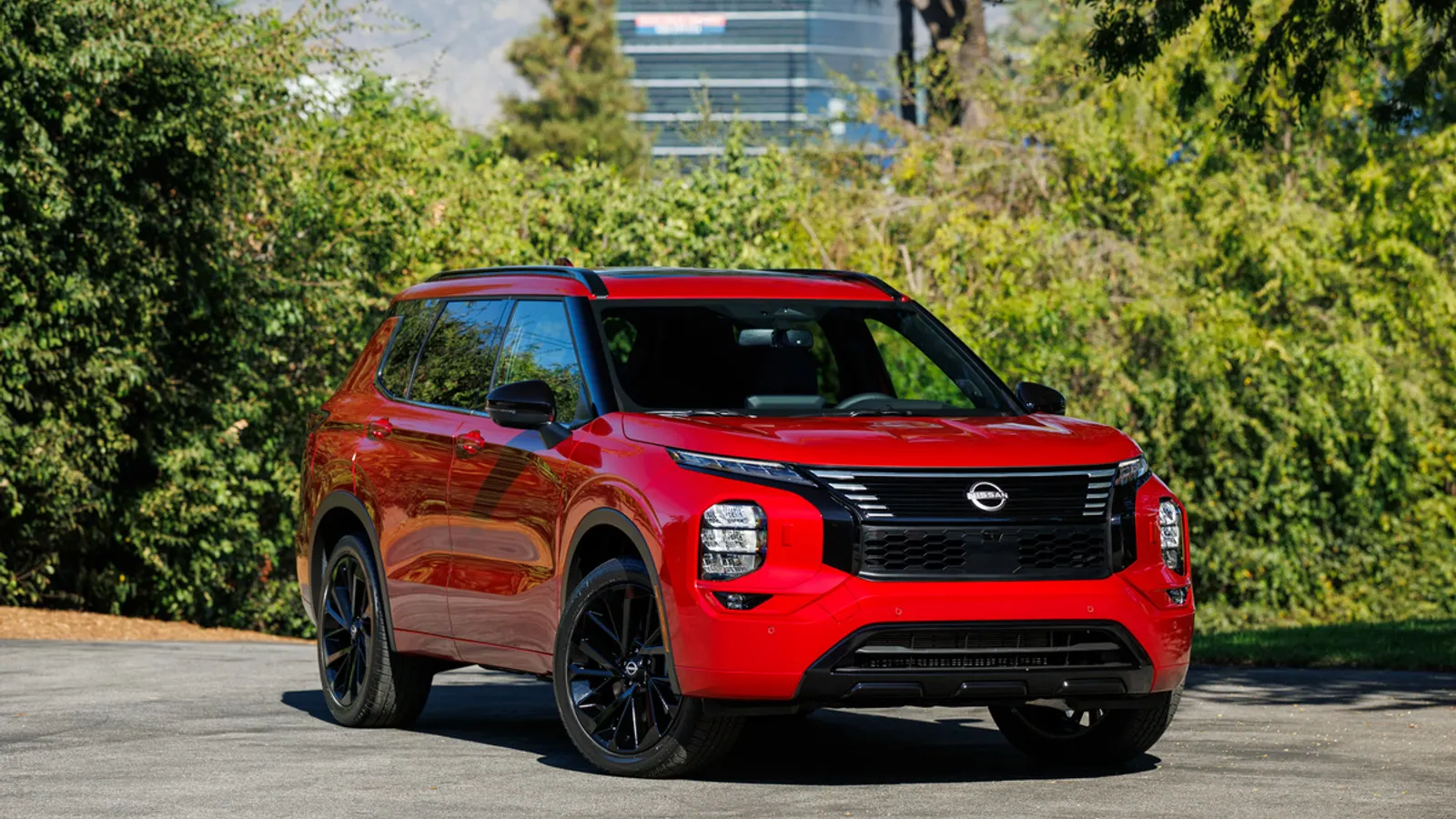


Half a billion dollars. That’s what Nissan committed to its Canton, Mississippi plant back in early 2022 to build two electric SUVs for the American market. Now both vehicles are dead, confirmed by Nissan spokesperson Jennifer Swanner on May 1, and that investment promise has evaporated into corporate-speak about “better aligning with market conditions.”
The two canceled models — one for Nissan, the other for its luxury brand Infiniti — were supposed to make Canton the automaker’s U.S. EV production hub. Suppliers got the bad news on April 30. The public got the press release the next day.
Nissan insists it “remains fully committed to the U.S. as a lead market.” But commitment now means hybrids, plug-in hybrids, and extended-range powertrains — anything but the pure battery-electric vehicles the company once championed. The automaker that launched the Leaf in 2010 and spent years marketing itself as an EV pioneer has officially retreated from the front lines.
The timeline tells the real story. Last July, Nissan delayed the two SUVs’ 2028 production launch. Spokesperson Brian Brockman called it an “internally driven consideration, not a specific reaction to policy changes.” That was diplomatic code.
The federal EV tax credit expired on September 30, 2025, and American EV demand cratered shortly after.
Nissan is not alone in this retreat, but the company it keeps should concern shareholders. Ford is eating $5.5 billion in non-recurring costs to unwind its EV programs. GM’s net income collapsed 55 percent in 2025, dragged down by $6 billion in EV charges in a single quarter.
Stellantis posted a staggering net loss of 22.3 billion euros after its own EV write-down. Honda axed three U.S. EVs in March, including both 0 Series models and the Acura RSX. The pattern is unmistakable: the American EV transition, at least as Detroit and its foreign competitors planned it, has stalled out hard.
Nissan’s replacement strategy carries a shiny new brand name — “Mobility Intelligence for Everyday Life” — and centers on a leaner vehicle portfolio built around electrified powertrains that stop short of full battery electric. The star of the near-term lineup is the next-generation Rogue hybrid, powered by an updated version of Nissan’s e-Power system that the company promises will deliver an “electric-like driving experience.
Electric-like. Not electric.
The automaker says it will discontinue low-performing models and redirect investment toward bigger vehicles with fatter margins. Nissan is targeting 1 million annual U.S. sales by 2030, leaning into large SUVs and trucks — the segments where profits actually live.
Canton’s future remains uncertain. Nissan designated the Mississippi plant as its EV centerpiece, and with those programs gone, the facility needs a new reason to exist. The company’s only other U.S. assembly operation sits in Smyrna, Tennessee, and Nissan has said it plans to reveal more about its manufacturing footprint when it reports full-year financials later this month.
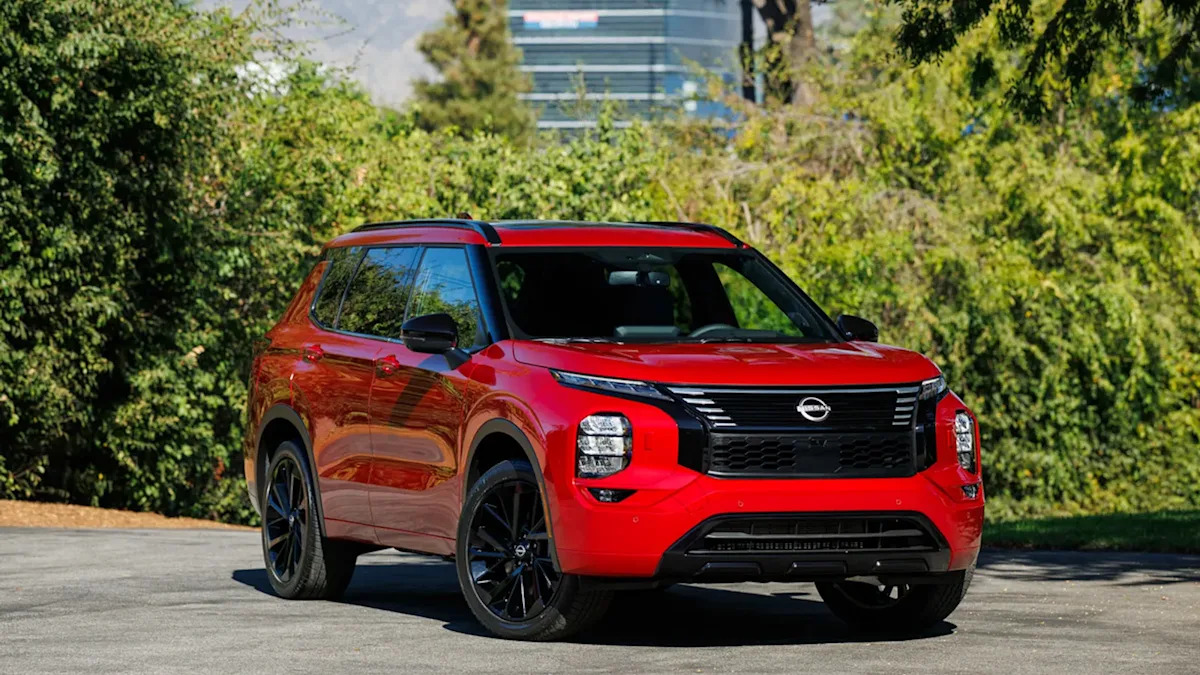
The broader question is whether any of these automakers can reverse course quickly enough. They spent years and billions tooling up for an electric future that consumers — stripped of tax incentives and facing higher vehicle prices — aren’t buying fast enough to justify the investment. Now they’re spending billions more to un-tool.
Nissan was early to the EV game with the Leaf. It could have owned this space. Instead, it’s joining a growing line of automakers backing away from the table, hoping hybrids buy enough time for the market to catch up with the plans they once made.
The $500 million question for Canton, Mississippi, is what fills that gap — and when.
Share this Story