
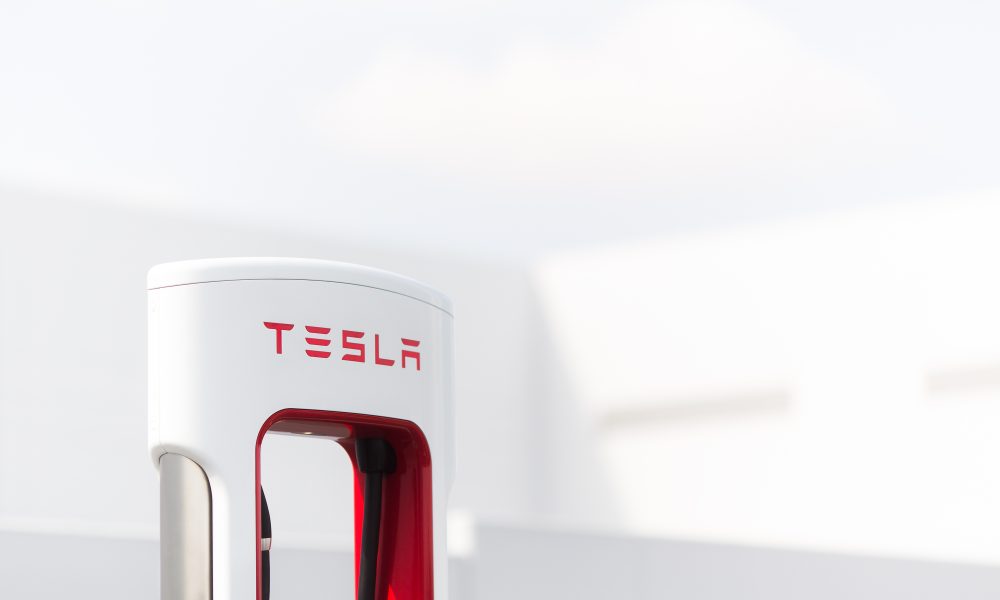


Five Supercharger locations across California and New York are now running Tesla’s new Virtual Waitlist pilot, a system born out of something no automaker wants on its résumé: customers physically fighting each other over a parking spot with a plug.
Tesla announced the pilot on May 11 via its TeslaCharging account on X. The sites in Los Gatos, Mountain View, San Jose, San Francisco, and the Bronx on East Gun Hill Road are the first to go live. The company is asking drivers to submit feedback through the Tesla app before deciding whether to expand the program.
The mechanics are simple. If you set a Supercharger with an active waitlist as your navigation destination, your vehicle automatically joins the queue. A notification tells you how many cars are ahead and gives an estimated wait time.
In Tesla’s demo video, that meant two cars and under five minutes. Non-Tesla EV owners can participate too, joining through the Tesla app. That detail matters because the Supercharger network has opened to third-party vehicles in recent years, and mixed-brand queues are precisely where sequencing confusion and tempers have flared.
Teslarati first reported on the system’s development last month under the name “Virtual Queue,” noting that physical altercations had occurred at busy stations. A line of cars waiting to charge, with no visible ticket system or numbered queue, is a recipe for exactly the kind of confrontation that goes viral for the wrong reasons. Tesla apparently agreed.
The underlying problem is not widespread. Most Supercharger sessions involve pulling up to an open stall. But the network has grown to more than 60,000 connectors globally, EV adoption keeps climbing, and peak-hour congestion at popular urban and highway-adjacent sites is no longer a fluke.
It is a pattern. One that Tesla clearly decided was worth engineering around before it became a reputational liability.
What makes this interesting is the timing. Tesla is simultaneously ramping Cybercab production at Giga Texas, pushing Full Self-Driving approvals across Europe, and fielding a $59,990 Cybertruck AWD variant with delivery estimates already stretched into 2027. The company is adding vehicles to the road faster than ever, its own and, through Supercharger access deals, everyone else’s.
More vehicles means more charging sessions. More charging sessions at finite stalls means more waits. More waits without a clear system means more friction.
Tesla is solving the problem at five locations today. The question is how quickly they scale it to the hundreds of sites where weekend congestion is already a familiar annoyance.
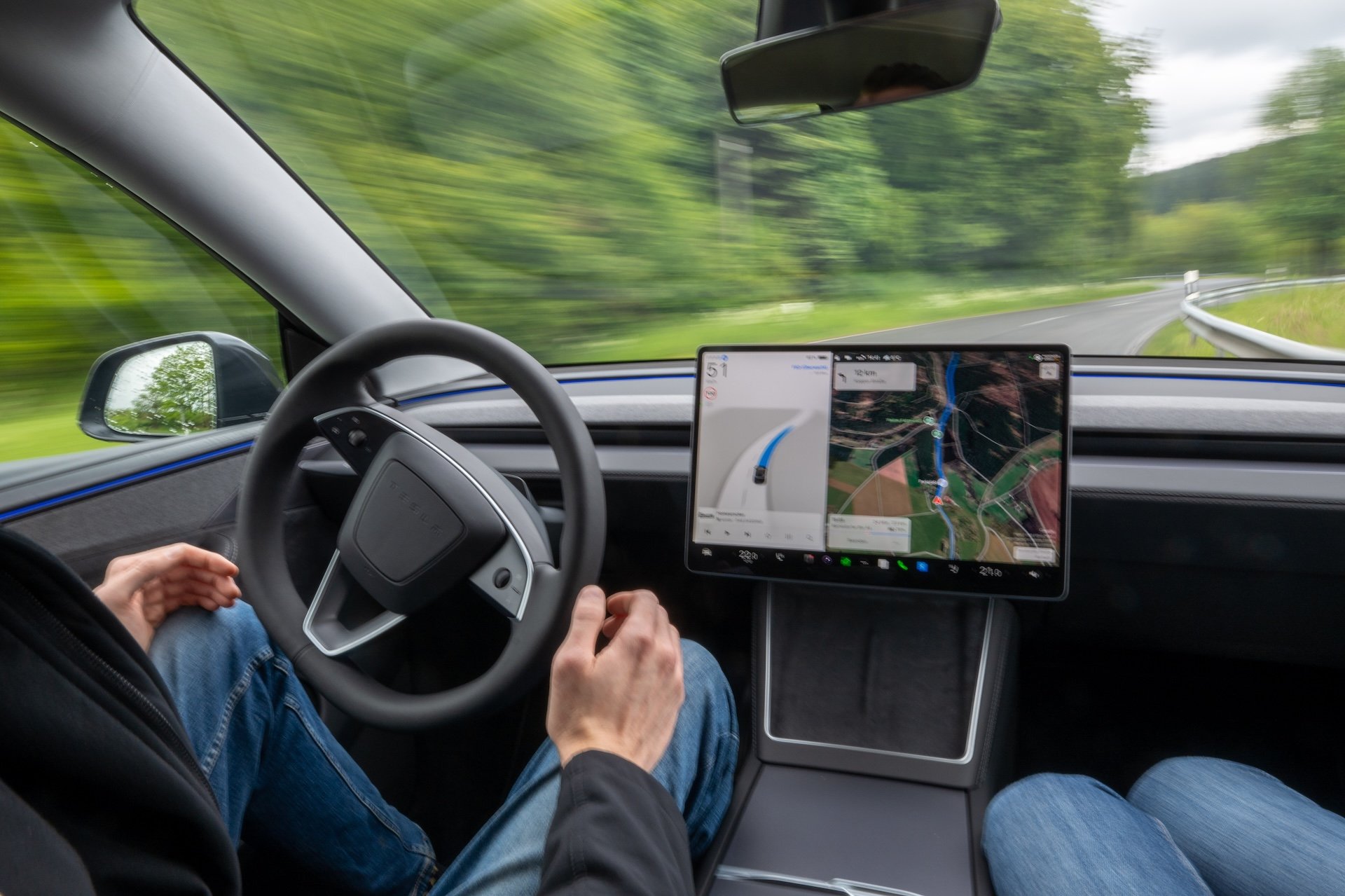
The pilot also signals something broader about Tesla’s infrastructure thinking. The company has spent years building out hardware, including stalls, cabinets, and solar canopies. This is a software fix to a human behavior problem, deployed over the air and integrated into the navigation stack.
It costs almost nothing to roll out compared to adding physical stalls. It could meaningfully reduce the single biggest complaint EV owners have about public charging: unpredictability.
Other networks like Electrify America and ChargePoint have experimented with app-based queue management, but none have the advantage of deep vehicle integration. Tesla’s system knows when you are driving toward the station and slots you in automatically. No manual check-in, no scanning a QR code in a parking lot.
Five pilot sites is a whisper. But the infrastructure pressure behind this feature is a shout. Tesla built the biggest fast-charging network on the planet and is now confronting the inevitable consequence: people actually use it, sometimes all at once, and they do not always behave well in line.
A virtual queue will not fix every road-rage incident at a Supercharger. But removing ambiguity about who is next removes the spark that lights most of those fires.
Share this Story