
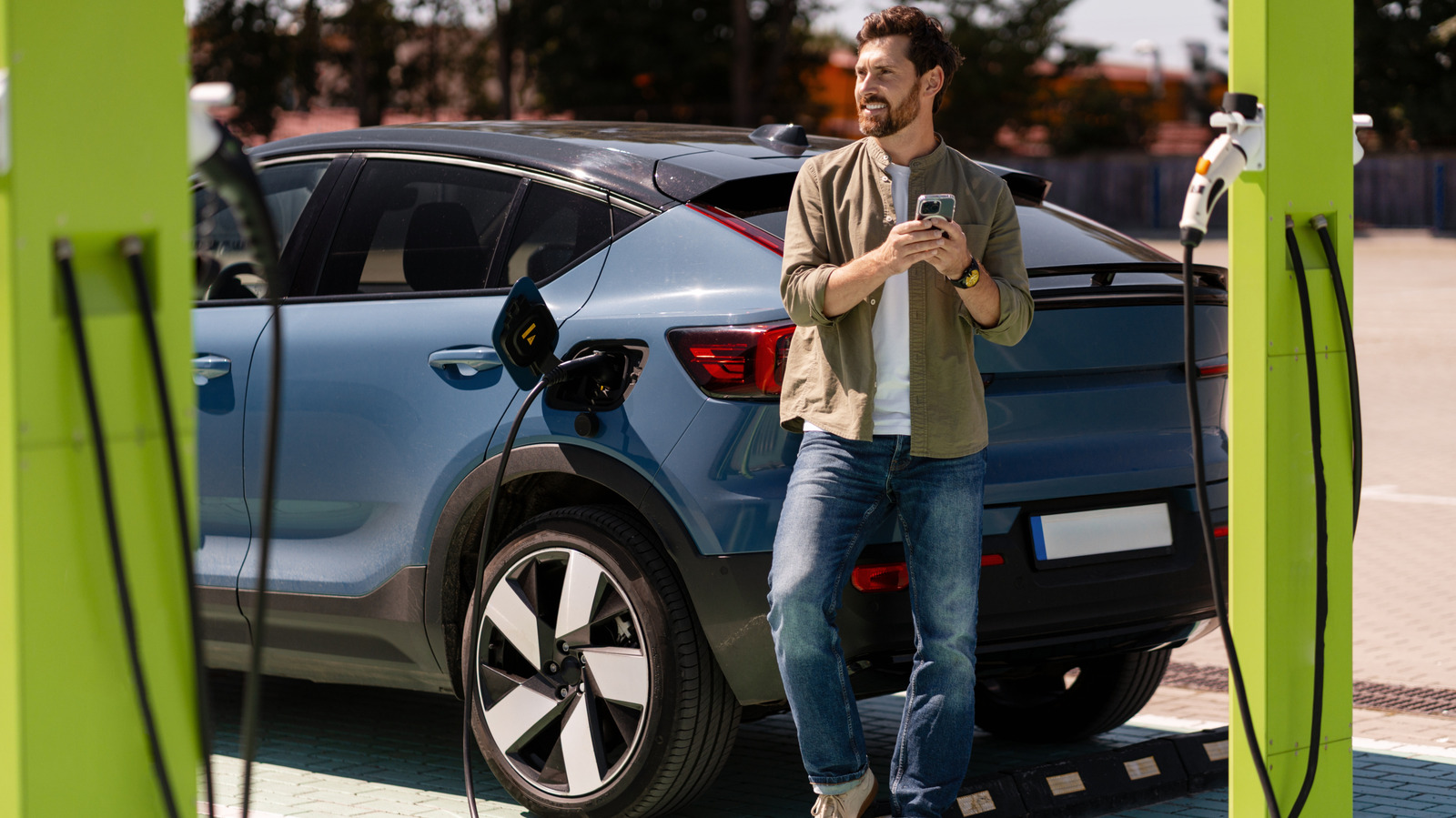


The federal EV tax credit is dead. Gas prices are climbing. And Uber just stepped into the gap with its own checkbook, offering $4,000 grants to drivers who ditch their gas-burning cars for electric vehicles — a program that quietly started in four markets and, as of last week, went nationwide.
The math isn’t complicated. Uber wants an all-electric fleet by 2030. Washington killed the $7,500 federal tax credit that was making that transition feasible, so Uber is backfilling roughly half that lost incentive out of its own pocket through its “Go Electric” program, which had previously been limited to drivers in California, New York City, Massachusetts, and Colorado.
There are strings attached, naturally. Only Platinum and Diamond-tier drivers qualify — the ones logging the most rides and maintaining the highest ratings. They must apply before buying an EV, get approved, acquire the vehicle within 90 days, and complete 100 trips by December 31, 2026.
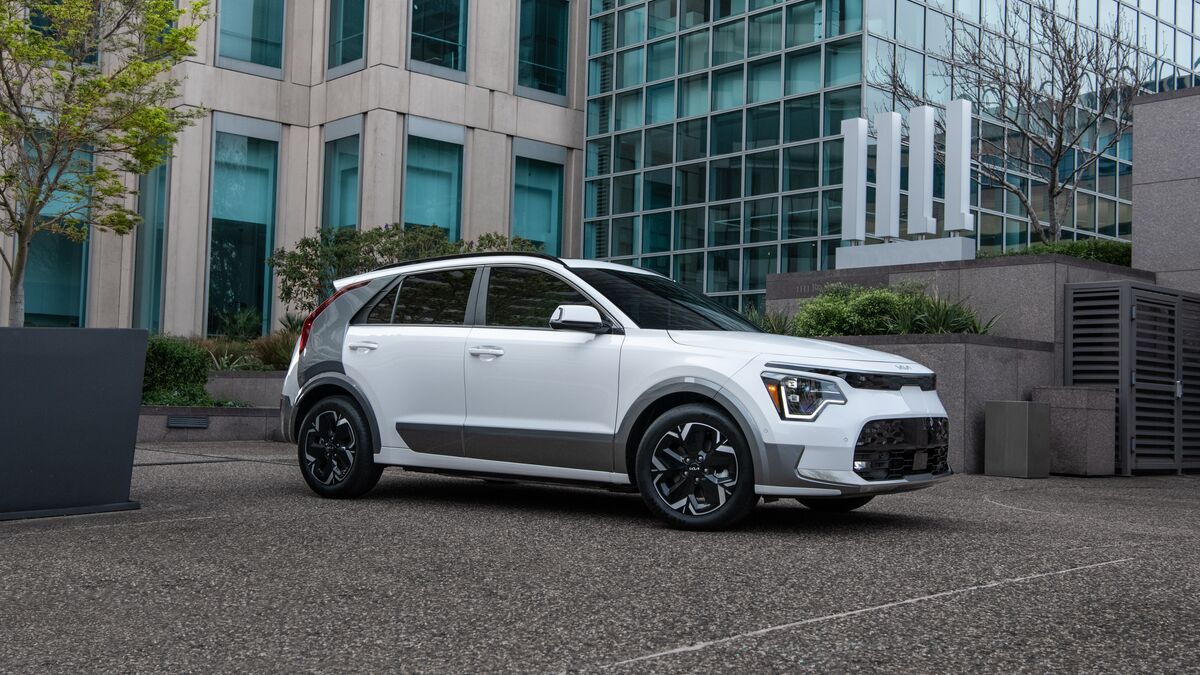
Four thousand dollars is real money, but it doesn’t buy a car. That’s where the secondary deals come in. Kia is offering Uber drivers $1,000 off a Niro EV or EV6, and $1,500 off an EV9. Kia Finance America sweetens it further with extended loan terms up to 66 months for qualified rideshare drivers — generous terms for people whose income fluctuates ride by ride.
EVgo is in the mix too, giving Uber Pro Gold, Platinum, and Diamond drivers up to 45% off standard charging prices at its 850 nationwide stations. Fuel savings are the entire pitch for going electric as a rideshare driver, and discounted charging makes the per-mile economics considerably more attractive than $4-a-gallon gasoline.
Strip away the talking points and this is a company that set itself a 2030 deadline for full electrification, watched its biggest policy tailwind — the federal tax credit — vanish, and realized it needed to fund the transition itself or watch the timeline collapse. Uber doesn’t own these vehicles. It doesn’t employ these drivers either, having classified them as independent contractors years ago, which means every EV purchase is the driver’s financial risk, not Uber’s.
That tension sits at the center of this program. Uber needs its drivers in EVs but won’t buy the cars for them. A $4,000 grant plus a Kia discount plus cheaper charging is a package designed to nudge that calculus — to make a driver staring at gas receipts and a worn-out Camry think the monthly note on an EV6 pencils out.
Whether it actually does depends on variables Uber can’t control: used EV prices, insurance costs, battery longevity at rideshare mileage, and the still-uneven charging infrastructure outside major metros. A driver in Manhattan or San Francisco has options. A driver in Memphis or Tulsa has fewer.
Uber’s 2030 target is four years away. The tax credit isn’t coming back anytime soon. This grant program is the company betting it can do with thousands of individual $4,000 checks what Congress used to do with a single line in the tax code. It’s an expensive bet — and the drivers are the ones holding the risk if it doesn’t pay off.
Share this Story