
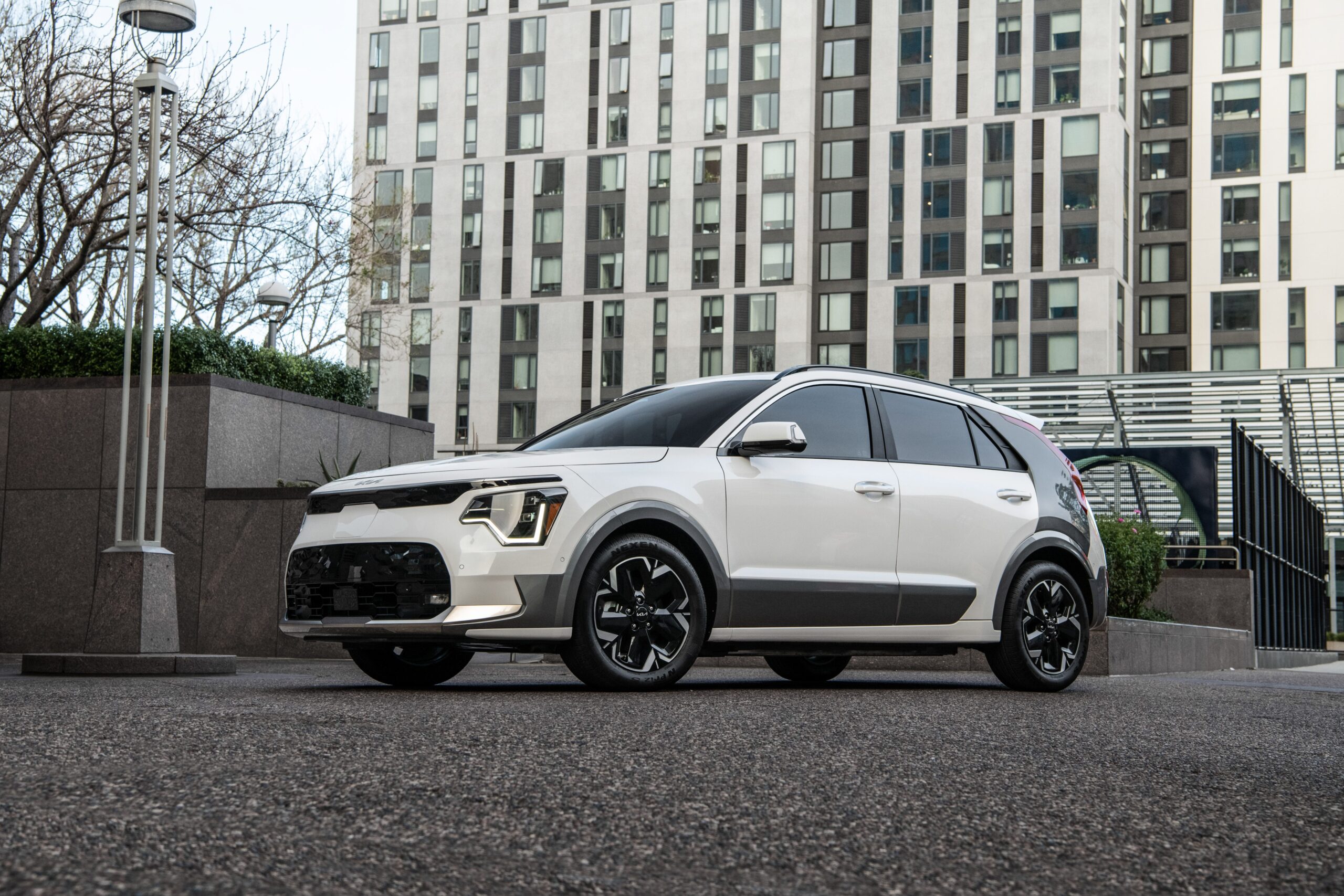


The Kia Niro EV is dead. Senior marketing manager Jung Yoon-kyung confirmed it to The Korea Herald in terms that leave no room for interpretation: “The Niro EV, which had been produced until the previous model, has been discontinued. We plan to sell the remaining inventory available.”
That’s corporate-speak for clearing the lot and moving on.
The 2026 model year will be the Niro EV’s last. And it won’t be mourned by many shoppers, because the math stopped working a long time ago. At $41,195 to start, the subcompact crossover with 201 horsepower and 253 miles of range was being outsold on value by nearly everything around it.
The Hyundai Ioniq 5 SEL, built on a dedicated EV platform, costs just a few hundred dollars more and delivers 318 miles of range with 24 more horsepower in a larger package. The Tesla Model Y Standard starts at $41,630 with close to 300 horses and 321 miles. The new Chevrolet Bolt comes in under $30,000.
The Niro EV didn’t just lose the spec war. It lost the tariff war too.
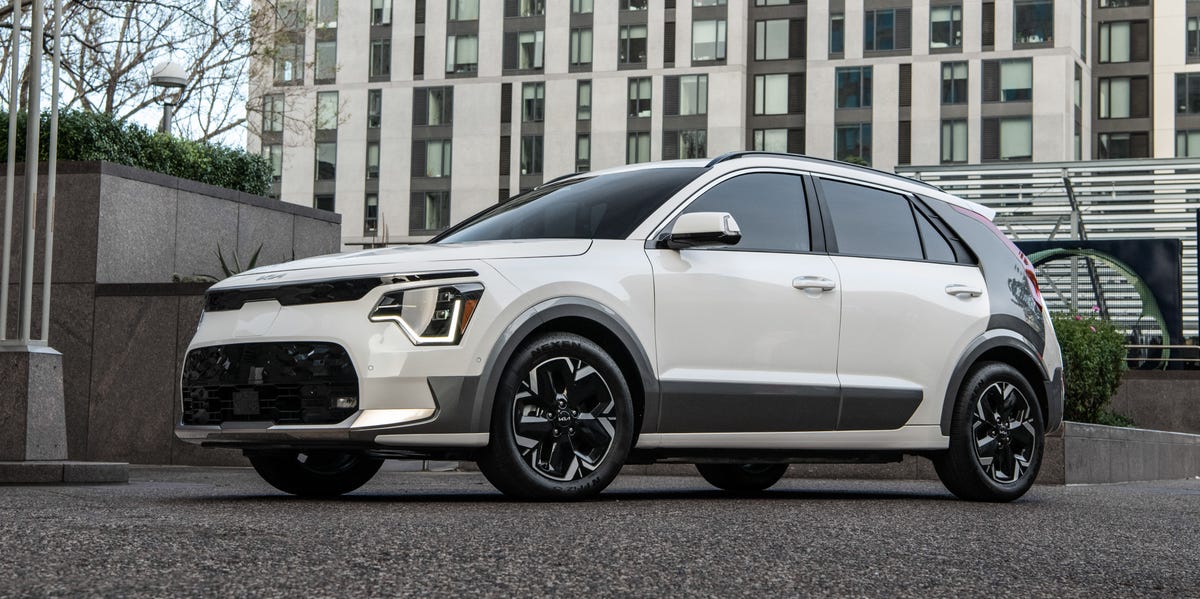
Built in South Korea, the Niro EV gets hit with the Trump administration’s import duties. The Ioniq 5 and its Kia sibling, the EV6, sidestep that problem entirely — they’re assembled at Hyundai Motor Group’s plant in Ellabell, Georgia. That cost disadvantage made an already tough sell nearly impossible.
Kia revealed a facelifted Niro for the Korean market back in January, but the refreshed model will carry only hybrid and plug-in hybrid powertrains. Actually, scratch that — InsideEVs reports the plug-in hybrid has also been axed in Korea, leaving the Niro as a conventional hybrid only, powered by a 1.6-liter engine producing a modest 141 combined horsepower. Whether this refreshed hybrid Niro makes it to U.S. dealers remains an open question.
The Niro EV’s death doesn’t exist in isolation. It’s the latest in a pattern that looks less like pruning and more like retreat.
Kia’s EV4 sedan was delayed indefinitely before American buyers ever saw one. The EV9 GT was postponed. The EV6 GT didn’t return for 2026 because it’s imported from Korea and the tariff exposure killed the business case.
The EV3 and EV4, which were supposed to expand Kia’s affordable EV footprint in the States, remain stuck overseas for the same geopolitical reasons.
Strip it all away and Kia’s U.S. electric vehicle lineup now consists of exactly two models: the EV6 and the EV9, both Georgia-built. A company that was positioning itself as an EV leader just two years ago now has fewer battery-electric options than most competitors.
The first-generation Niro EV arrived in 2018 as a genuinely appealing entry point into electric ownership, back when affordable EVs were scarce. The second generation in 2021 brought better styling and faster DC charging. But the market evolved around it while it stood still on an aging platform, and Kia’s own dedicated EV models made the case against it better than any competitor could.
There’s a domino worth watching here. Hyundai confirmed last month that the Kona Electric — the Niro EV’s corporate twin under the skin — would skip 2026 and supposedly return for 2027. With the Niro EV now confirmed dead, that planned comeback looks increasingly unlikely.
The first-generation Niro helped put Kia on the electrification map. The second generation is being cleared off dealer lots at whatever price moves the metal. Between tariffs choking imports and domestic production limited to two models, Kia’s electric ambitions in America have quietly contracted to a fraction of what was promised.
The cars that were supposed to fill the gap can’t get here, and the ones already here can’t compete.


Share this Story