
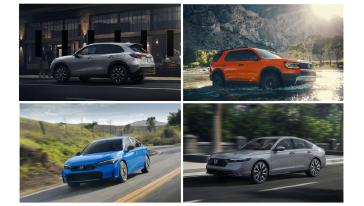


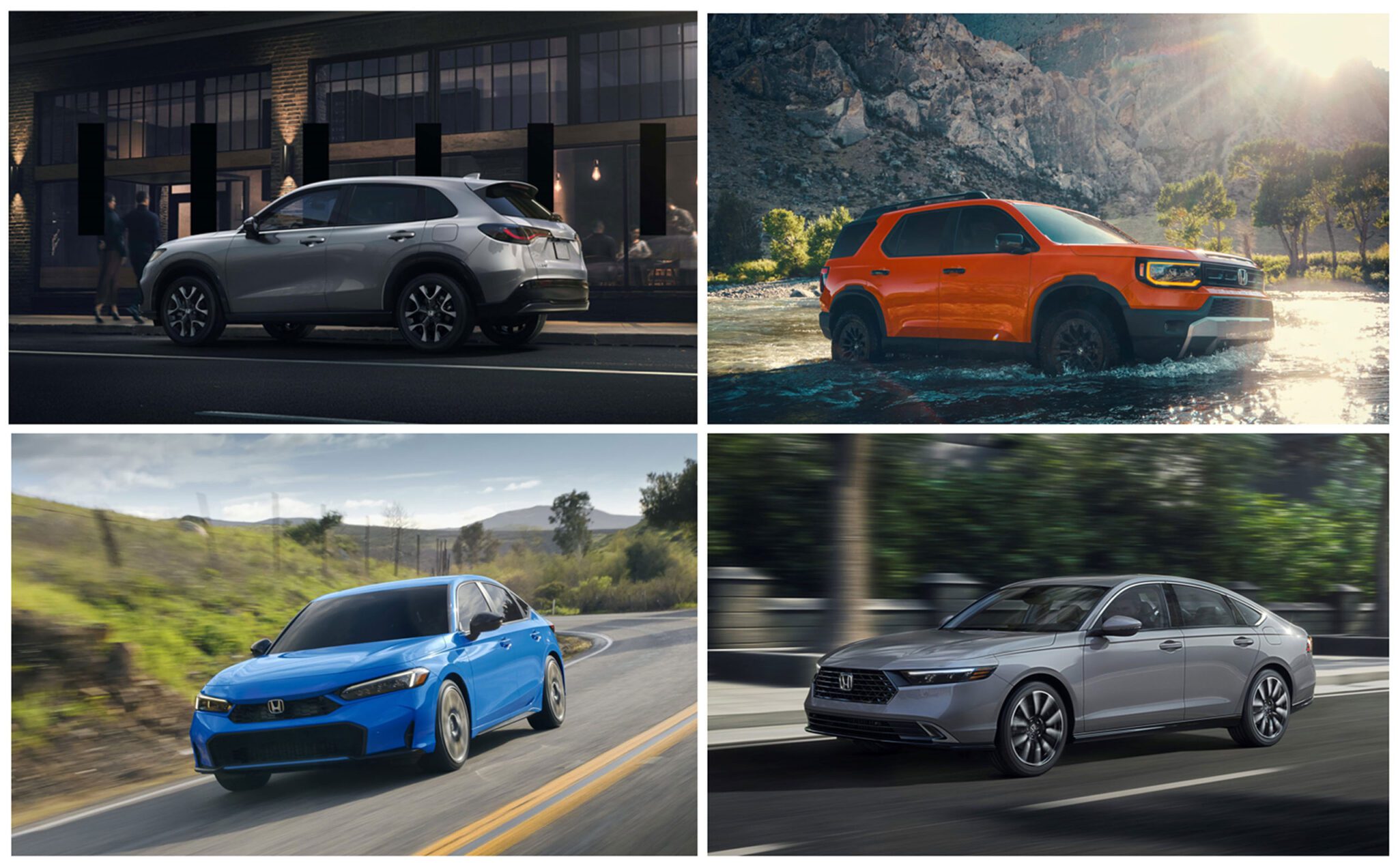
Four Honda models just swept IIHS safety awards for 2026, and the real story isn’t the trophies. It’s the price tags hanging from them.
The Passport and HR-V earned Top Safety Pick+, the Institute’s highest honor. The Civic Hatchback and Accord landed Top Safety Pick. Honda says the average transaction price for new Civic, Accord, and HR-V models falls below what Americans are paying for used cars. Let that sink in.
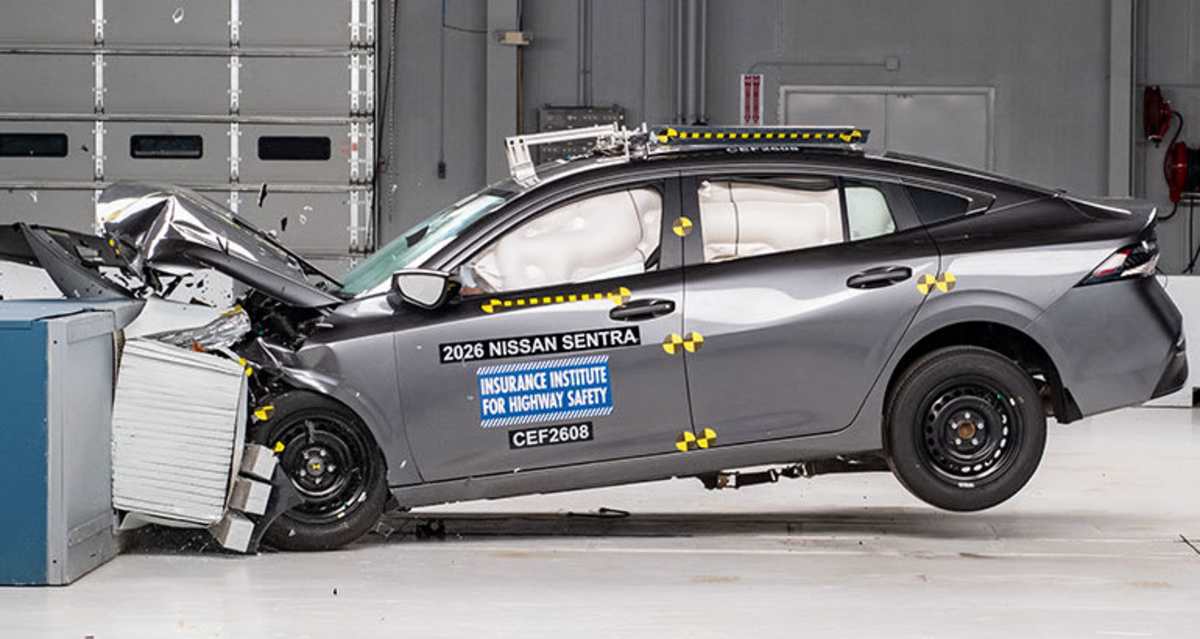
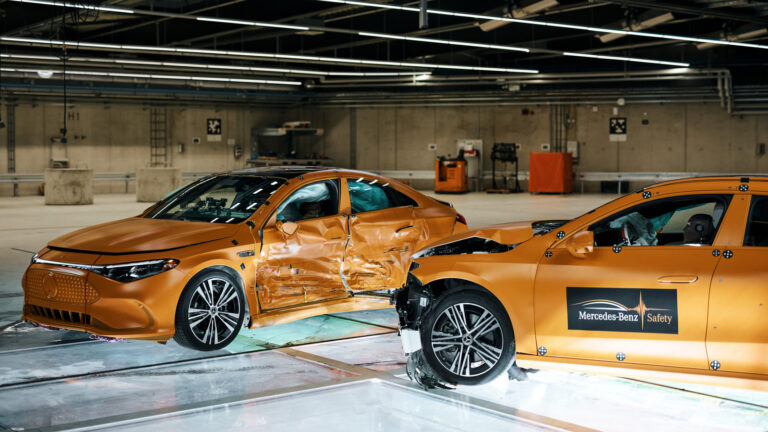
The timing matters. IIHS tightened its criteria this year, demanding good ratings in an updated moderate overlap front test that now emphasizes rear-seat passenger protection for both award tiers. The organization also added a new vehicle-to-vehicle front crash prevention evaluation for its top-tier award, testing systems against passenger cars, motorcycles, and semitrailers at speeds up to 43 mph. These aren’t the same tests your 2023 model aced.
Yet the number of winners climbed from 48 to 63 compared to the same point last year. Forty-five of those earned TSP+. More than a dozen TSP+ winners start under $30,000, with Kia’s K4 bottoming out at $22,290.
Honda’s pitch is straightforward: every model it sells comes standard with Honda Sensing, the driver-assistance suite that includes automatic emergency braking with pedestrian detection, adaptive cruise control, lane keeping assist, and road departure mitigation. The company claims more than 10 million U.S. vehicles now carry the system. Every Honda model fully evaluated under NHTSA’s 2024 and 2025 NCAP testing received a five-star overall score.
All four awarded Honda models scored good in the small overlap front, updated moderate overlap front, and updated side crash tests. That side test now involves 82 percent more crash energy than the original. The Passport and HR-V cleared the additional TSP+ hurdles: good pedestrian crash prevention and at least acceptable vehicle-to-vehicle crash prevention.
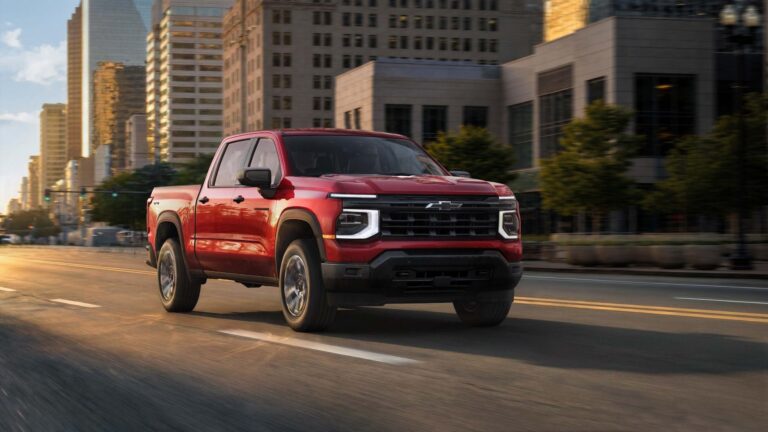
The broader IIHS picture reveals some uncomfortable truths elsewhere. No minicars, minivans, or small pickups earned any award. IIHS President David Harkey called it “disappointing” that minivans, supposedly built for families, still can’t adequately protect rear-seat passengers. Only two large pickups qualified: the Tesla Cybertruck and Toyota Tundra crew cab.
SUVs dominated the winner’s list, claiming 35 of 45 TSP+ awards and 12 of 18 TSP designations. Hyundai and Kia had a strong showing across multiple segments. Mazda placed six models in the TSP+ column, while Audi collected five and BMW grabbed two.
Honda’s four winners won’t generate the breathless coverage that a new EV launch or a concept car unveiling does. But the company is quietly making a pointed argument: if you’re spending $28,000 on a used crossover with aging safety tech, you could buy a new HR-V with current crash-avoidance systems and a body structure engineered to handle the most punishing tests IIHS has ever administered.
The industry has spent years marketing safety as a premium feature, something you unlock by moving up trim levels or stepping into luxury brands. Honda is pushing the opposite direction. Its gateway models, the ones dealerships sell to first-time buyers and young families watching every dollar, now carry the same fundamental safety architecture as vehicles costing twice as much.
More than 77 percent of 2026 models tested so far meet the new vehicle-to-vehicle crash prevention standard, up from 70 percent last year. The race now isn’t just horsepower or range or screen size. It’s how well your car avoids the crash in the first place, and how well it protects everyone inside when avoidance isn’t enough.
Honda didn’t reinvent anything here. It just refused to treat safety as a luxury.
Share this Story