
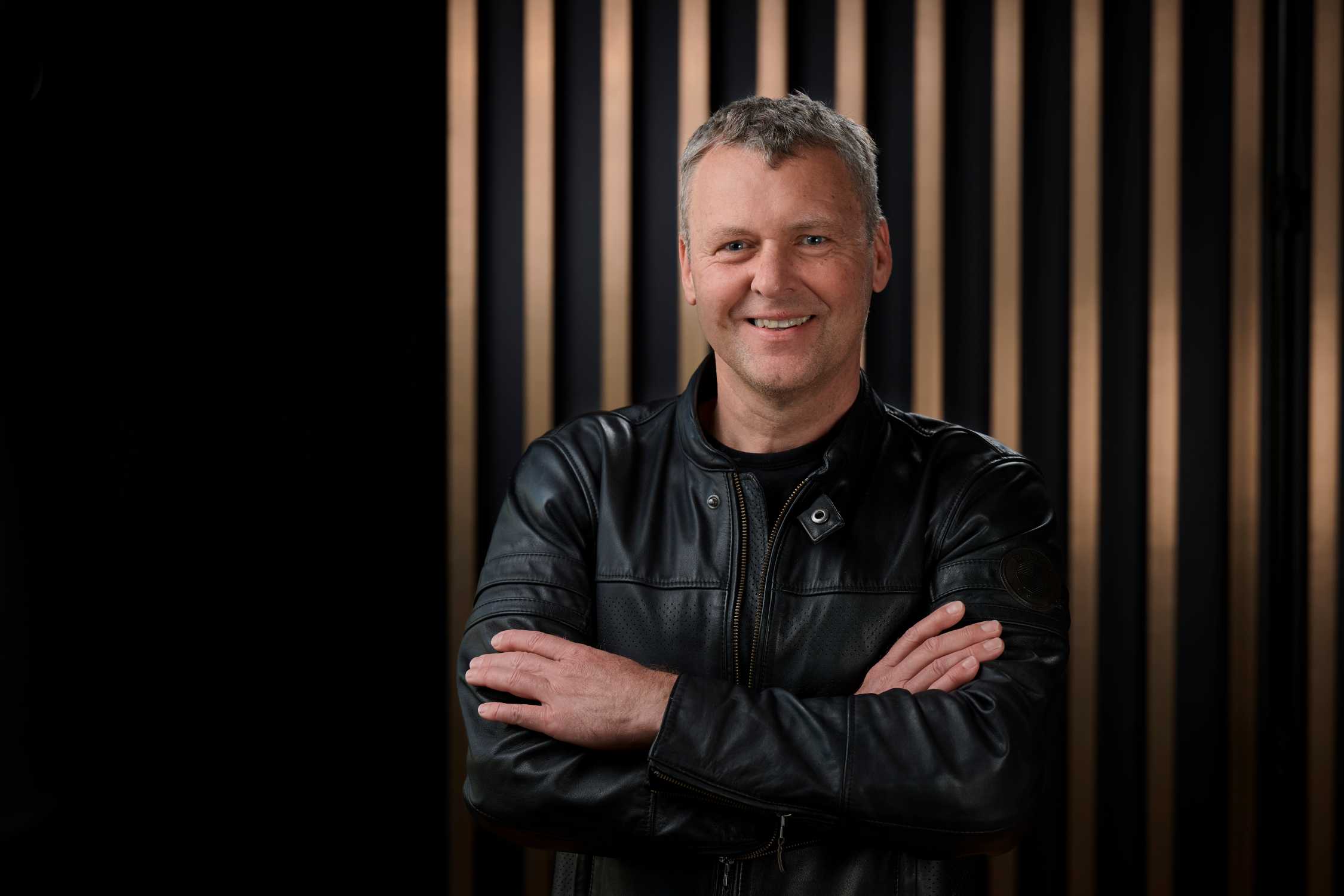


Josef Honeder takes over as Head of Development at BMW Motorrad on June 1, replacing Christof Lischka, who is leaving the BMW Group “at his own request.” The timing is worth watching closely.
Lischka didn’t get pushed out for poor results. By all accounts, he oversaw the successful launch of a wide range of new models during what CEO Markus Flasch has called a “unique product offensive.” He delivered, then walked.
BMW’s official language is polite, but a voluntary departure from the top development seat at one of the world’s most prestigious motorcycle brands, right in the middle of a hot streak, raises an eyebrow or two.
Enter Honeder, a mechanical engineer with more than two decades inside the BMW Group. His resume reads like a tour of the entire powertrain and vehicle development ecosystem — overall vehicle programs, engine engineering, and most recently fuel supply systems on the car side of the house. He’s not a stranger to motorcycles, either.
He spent time at BMW Motorrad between 2011 and 2013, working across multiple development scopes before rotating back to four-wheeled assignments.
Flasch framed the hire as continuity, praising Honeder’s “comprehensive knowledge across the entire field of vehicle development.” That’s corporate-speak for a safe pair of hands, someone who knows how every department connects, who can keep the pipeline flowing without missing a beat.
But continuity is also the word you use when you don’t want anyone to notice a disruption.
BMW Motorrad is at a delicate inflection point. The brand has been pushing hard into new segments, refreshing its lineup at a pace that would have been unthinkable a decade ago. Electrification is looming larger in every boardroom conversation, even if combustion still dominates motorcycle sales globally.
Honeder’s background in powertrain engineering and fuel supply systems suggests BMW sees the next development chapter as one defined by propulsion choices — what burns, what charges, and what combination of both will sell in the late 2020s.
Meanwhile, almost as a footnote, BMW Motorrad also marked 50 years of its helmet program this spring. It’s a small milestone buried under bigger corporate news, but it speaks to a brand that has historically invested in the entire riding ecosystem, not just the machine underneath the rider. That kind of holistic thinking is exactly what a development chief needs to protect as the pressure to cut costs and chase volume intensifies.
The real question hovering over this transition has nothing to do with Honeder’s qualifications. Those are obvious. It’s why Lischka left in the first place.
When the architect of a successful product blitz walks away voluntarily, it usually means one of two things: either the next chapter looks less exciting from the inside than it does from the outside, or the political winds shifted in ways the public won’t learn about for years.
Honeder starts June 1. He inherits a full development pipeline, a CEO who expects continued momentum, and the ghost of a predecessor who chose to leave when everything was going right. That’s either the best possible setup or the most loaded one. Probably both.
BMW Motorrad riders will judge the results the only way that matters — by what rolls into showrooms over the next three to five years. Engineering leadership changes rarely register with buyers until they do, and by then, the decisions were made long ago, in rooms the public never sees.
Share this Story