
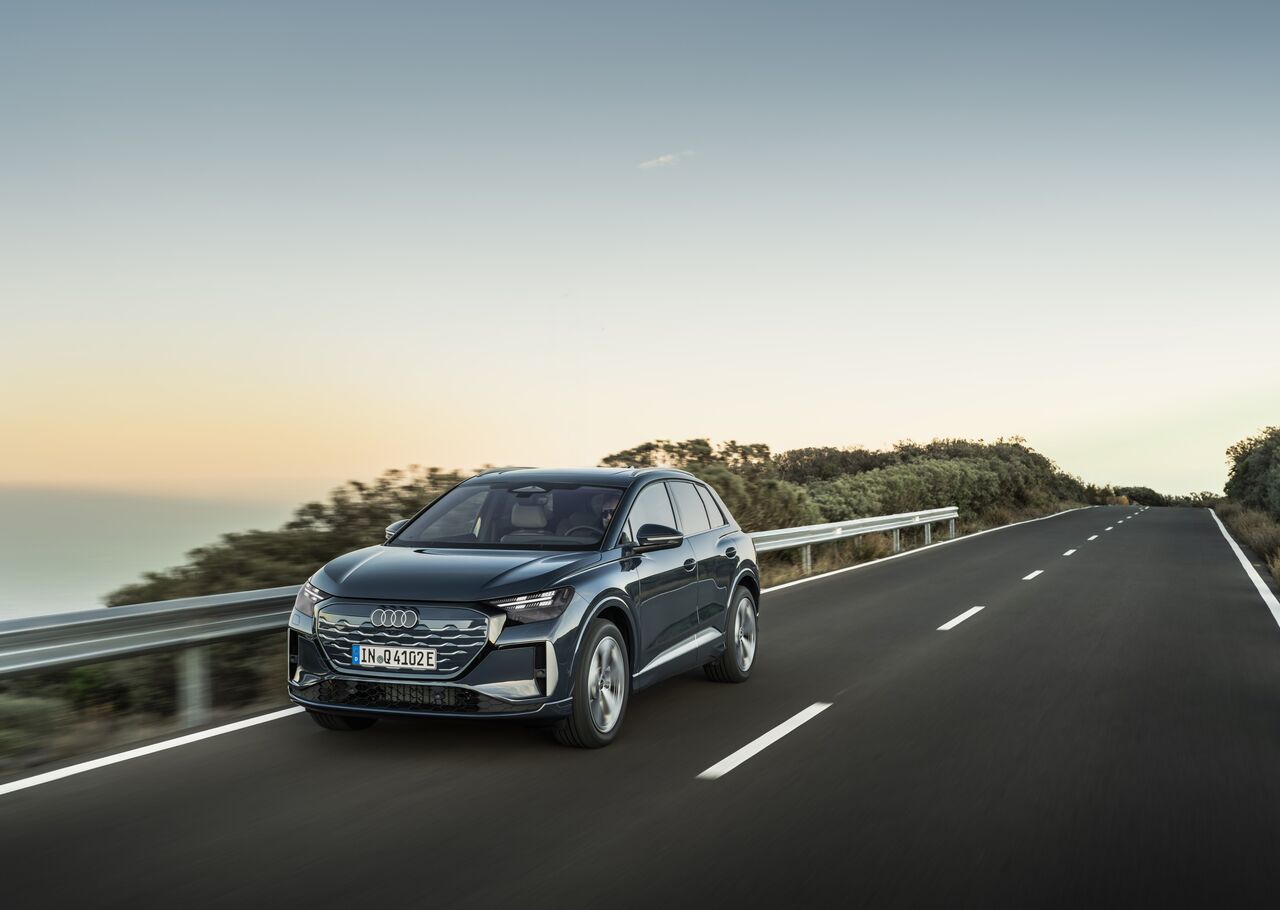


The upgraded Audi Q4 e-tron hit public roads this week with a maximum range of 592 kilometers in Sportback performance trim. That’s a meaningful jump, one that puts it squarely in the territory where range anxiety starts to feel like a dated excuse.
Audi staged a 200-kilometer demonstration loop from central Munich to Tegernsee in the Bavarian Alps, the kind of carefully curated press drive designed to showcase versatility. Urban crawl, open rural roads, tight mountain switchbacks — the route hit every checkbox. But beneath the scenic choreography, there are real numbers worth pulling apart.
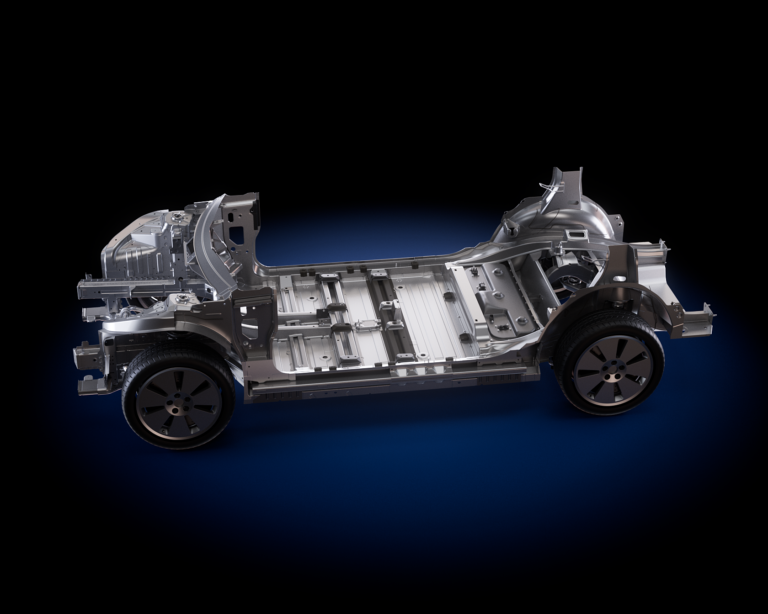
The powertrain delivers up to 250 kW and hits 100 km/h in 5.4 seconds. Combined consumption sits between 15.3 and 18.0 kWh per 100 km for the SUV variant, dropping slightly for the sleeker Sportback. Those are competitive figures for a vehicle in this class, especially one riding on the MEB platform that Volkswagen Group has been iterating on for years.
Bidirectional charging is the feature Audi is pushing hardest. On the demonstration run, the team used the Q4 e-tron to power a coffeemaker and cooler from a socket in the trunk. It sounds like a gimmick until you consider the broader trajectory: vehicle-to-load and eventually vehicle-to-grid functionality are becoming table stakes for serious EV contenders.
Hyundai and Kia have been offering this for years. Audi is catching up, not leading.
Herman Verbeek, an Audi product specialist who guided the drive, offered the kind of polished quotes you’d expect. The car gives you the confidence to drive without restrictions.” “You don’t spend the whole time thinking about charging.” The messaging is clear: Audi wants the Q4 e-tron to feel invisible, a tool that fades into the background of daily life rather than demanding adaptation.
Inside, the upgrades are evolutionary. A SONOS sound system, 24 liters of cabin storage spread across doors, console, and armrests, and dual wireless charging pads. None of it is revolutionary in isolation, but the packaging feels more refined than the outgoing model.
The Q4 e-tron occupies a critical slot in Audi’s lineup. It’s the brand’s electric volume play, the model that has to compete not just with BMW’s iX1 and Mercedes’ EQA but also with the relentless price pressure from Chinese manufacturers pushing into Europe. Audi calls it “the electric bestseller” in its own materials. That label carries weight — and expectation.
What’s conspicuously absent from the announcement is any mention of pricing, market-specific launch dates, or production volume targets. Audi dated the release June 25, 2026, but left the commercial details for later. That gap between product showcase and purchase reality is where enthusiasm often cools.
The quattro all-wheel-drive variant bumps consumption to 16.1–19.1 kWh per 100 km, a reasonable penalty for the added traction. For buyers in Alpine regions or northern climates, the trade-off makes sense.
Audi is simultaneously preparing a new Q7, a Q9, and the forthcoming A2 e-tron — a sprawling product offensive that suggests Ingolstadt understands it cannot afford a narrow portfolio. The Q4 e-tron refresh is one piece of a much larger puzzle. Its success will hinge less on scenic press drives through Bavaria than on whether Audi can deliver it at a price that keeps European buyers from looking east.
A 592-kilometer range and bidirectional charging are strong cards. But in a market where the rules change quarterly, strong cards only matter if you play them fast.
Share this Story