
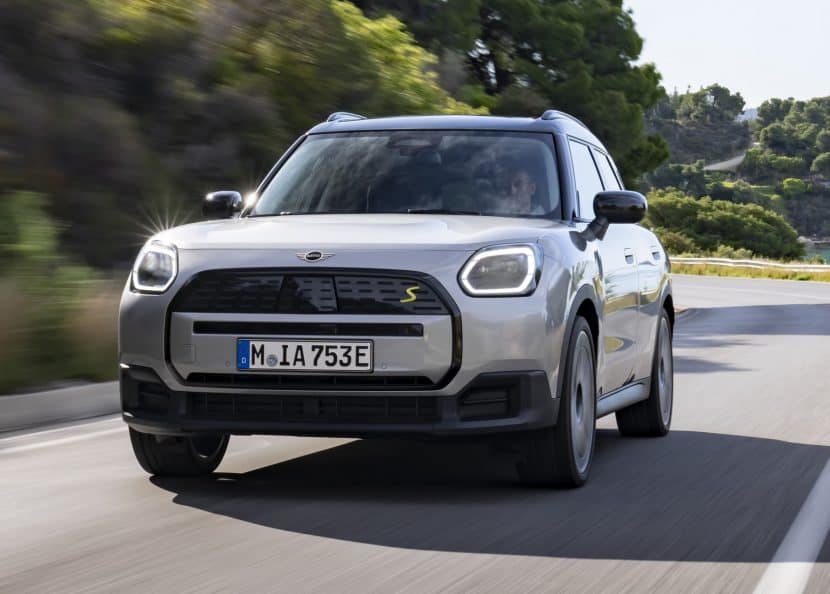


BMW registered 267,075 cars across Europe in the first four months of 2026, a 1.1 percent increase that keeps it firmly atop the premium leaderboard. Audi sits second at 230,595 units after a 7.2 percent jump. Mercedes trails in third with 222,744, up 3.4 percent.
The numbers come from the European Automobile Manufacturers’ Association, covering all 27 EU states plus the UK, Iceland, Liechtenstein, Norway, and Switzerland. So BMW is winning. Except that winning has never looked quite this fragile.
Despite posting positive growth, BMW’s market share actually slipped from 5.9 percent to 5.7 percent. The broader European market is expanding faster than BMW can keep pace. Brands like Fiat surged 29.2 percent to 131,863 units, and Skoda climbed 14.6 percent to 300,163 vehicles — a number that quietly puts the Czech brand well ahead of every German luxury nameplate by raw volume.
That’s the tension in these figures. BMW holds its crown among premium rivals, but the ground underneath is shifting toward volume brands riding hybrid momentum and aggressive pricing that consumers actually respond to.
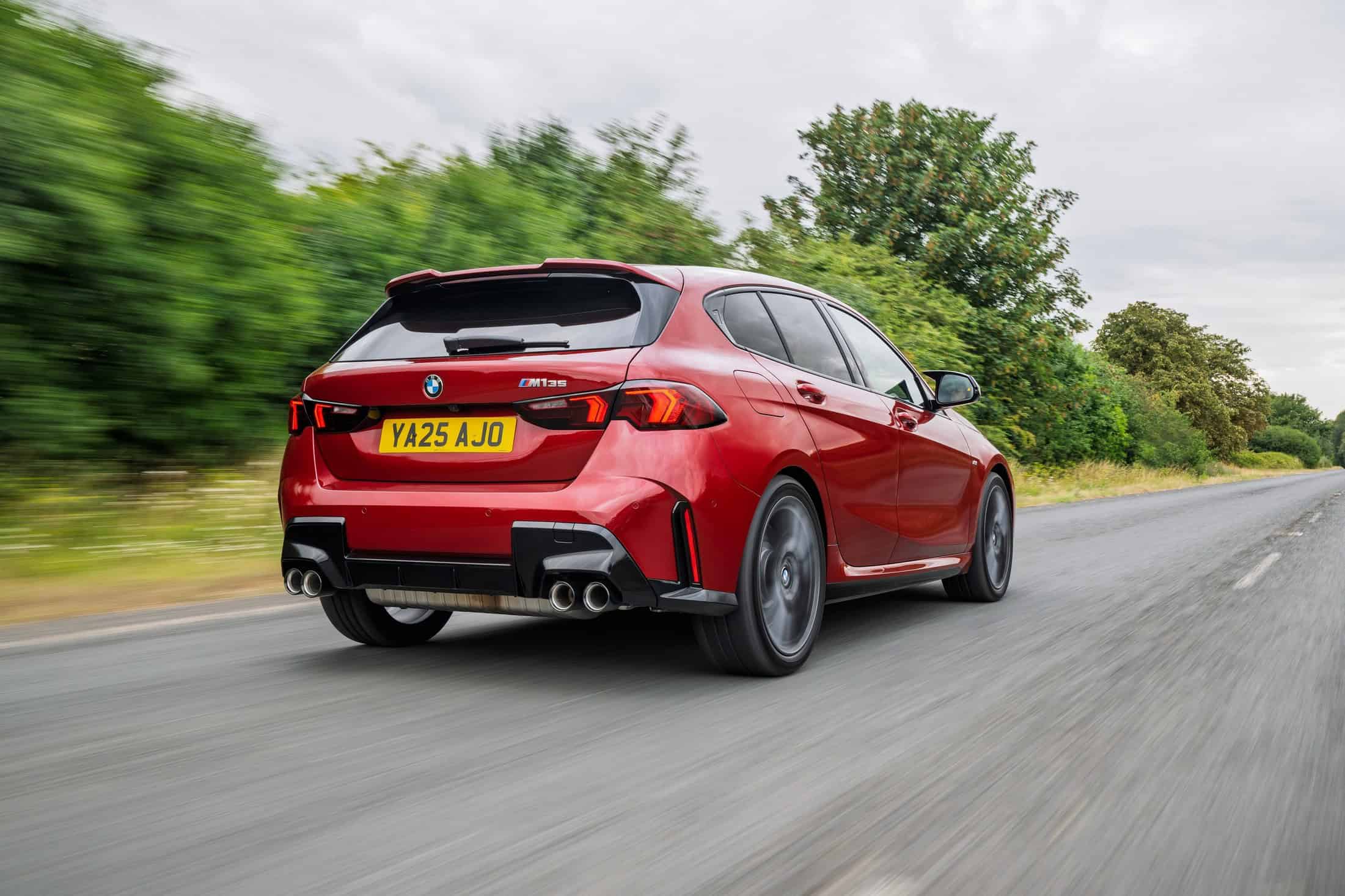
MINI provided a bright spot for the BMW Group, with registrations jumping 12.8 percent to 60,077 units through April. Combined, the group moved 327,152 vehicles, good for a 3.1 percent overall increase. But even the group’s market share dipped, from 7.1 to 7.0 percent.
Growth, in this market, is only growth if you’re growing faster than everyone else.
The powertrain breakdown tells its own story. Hybrids dominate Europe at 38 percent of total registrations, gasoline holds 22.4 percent, and battery electrics sit at 20.9 percent. Diesel has cratered to 6.7 percent. The hybrid surge is what’s lifting brands like Fiat and Skoda — companies that flooded the market with affordable electrified options while German luxury makers were still fine-tuning their Neue Klasse rollouts.
BMW’s pipeline for the rest of 2026 looks strong on paper. The Debrecen plant in Hungary is running double shifts to meet demand for the iX3, and a more affordable rear-wheel-drive version is now available across Europe. The Neue Klasse i3 sedan starts production in Munich in August, with a next-generation X5 debuting this summer followed by a new 3 Series.
But here’s the catch: neither the new X5 nor the 3 Series will meaningfully impact 2026 registration numbers. Deliveries aren’t expected until late in the year, pushing their real sales contribution into 2027. And the 7 Series facelift, starting at €117,900, isn’t going to move any needles anywhere.
So BMW enters the second half of the year as the European premium sales leader with a product offensive that mostly benefits next year’s scorecard. Audi closed the gap with 7.2 percent growth. Mercedes gained 3.4 percent. Both rivals are accelerating faster than the brand ahead of them.
BMW’s position isn’t in danger today. But the math is simple: if Audi maintains that growth rate and BMW stays at 1.1 percent, second place is roughly eighteen months away.
The Neue Klasse needs to deliver volume, not just headlines, and it needs to do it before the competition eats into a lead that shrinks a little more with every quarterly report. Being first and losing share simultaneously is the kind of paradox that keeps strategists up at night. BMW has the product coming — the question is whether it arrives in time.
Share this Story