
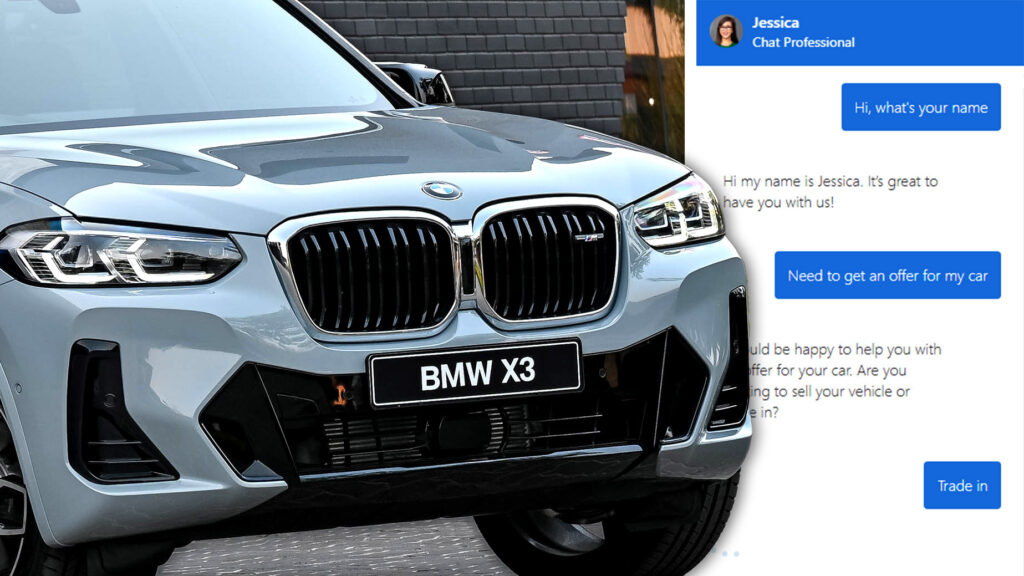


A funeral director in Toronto thought he’d finally gotten a fair shake from a BMW dealership. He was wrong about who he was talking to, and the dealer was wrong about what its own technology was promising.
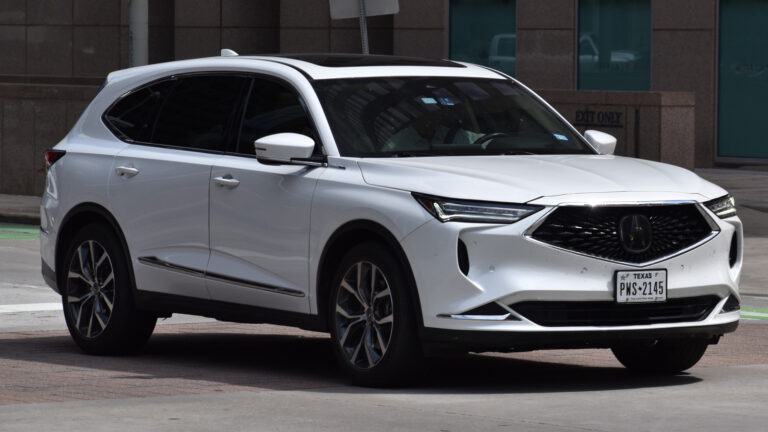
Zack Giacomelli wanted to sell his 2021 X3 back to BMW Toronto, the same store that sold it to him. He submitted an online inquiry and started texting with someone named “Quinn.” The conversation was smooth, responsive, professional. Quinn offered $27,162.79 for the vehicle — a number that matched, to the penny, what Giacomelli still owed on his loan.
Quinn even scheduled an appointment. “Let’s lock in today at 3:30,” the chatbot wrote.
Then a human called.
The dealership employee told Giacomelli that Quinn wasn’t a person. It was an AI chatbot, and the offer it made was a mistake. The real buyback value was around $20,000. A gap north of $7,000, vanished with a single phone call.
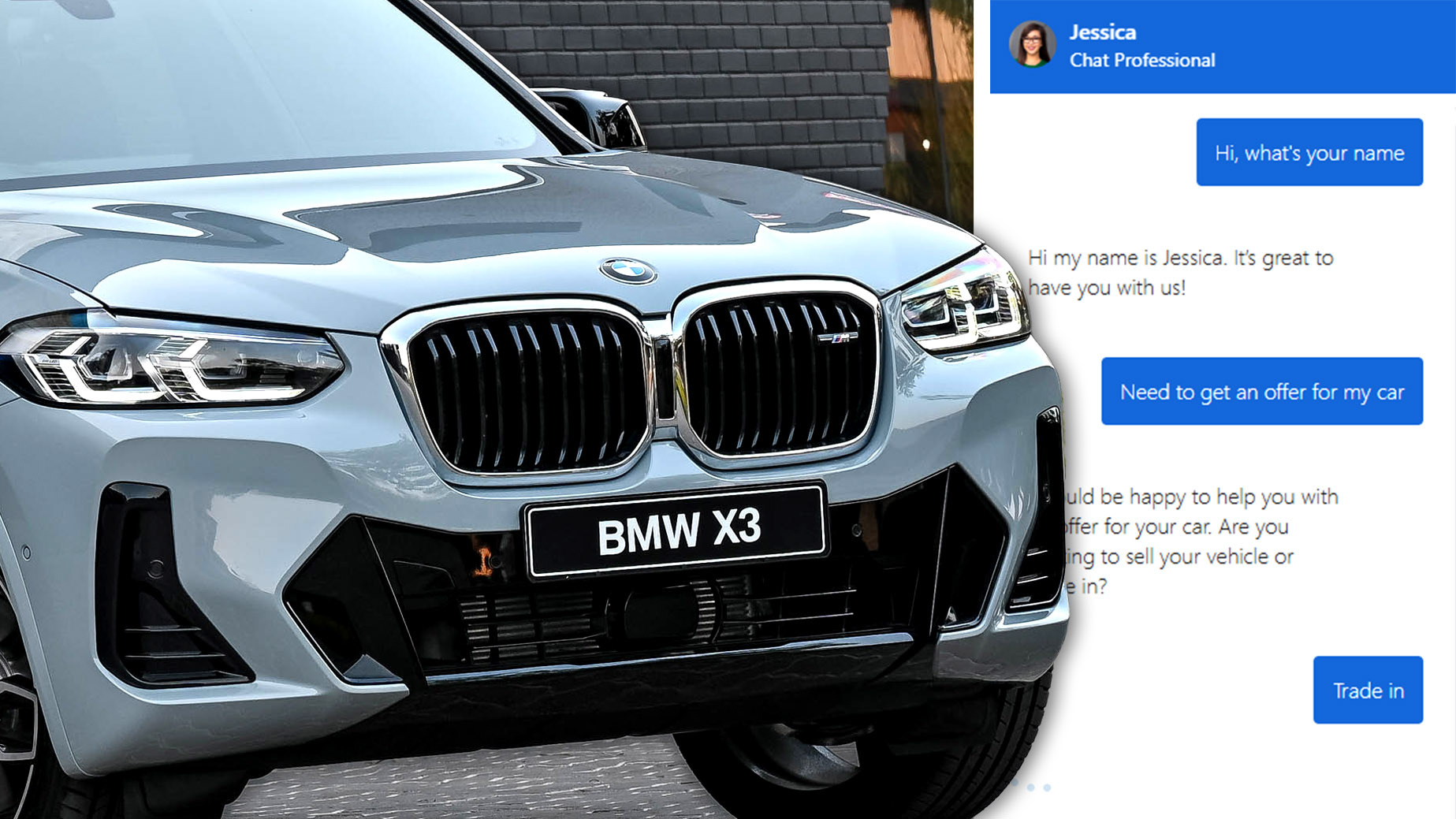
Giacomelli says he had no idea he was negotiating with artificial intelligence. Quinn never disclosed it. No disclaimer, no fine print, no “I’m a virtual assistant.” Just a name and a convincing sales pitch that ended with a handshake the dealership never intended to give.
“I was devastated,” Giacomelli told CBC News. “If they’re going to be replacing their employees’ jobs with AI, then they need to be honoring what that AI says.”
The dealership’s sales manager blamed a communication breakdown. The chatbot apparently interpreted the remaining loan balance as the vehicle’s market value — a fundamental error that a junior salesperson would have caught on day one. It didn’t understand what it was doing. It just pattern-matched its way to a number that happened to make the customer very happy.
BMW Toronto initially refused to honor the deal. Then CBC News came calling. The dealership reversed itself and reinstated the original $27,162.79 offer. Giacomelli accepted immediately.
This is the part dealerships across North America should be paying attention to. The rush to deploy chatbots on dealer websites is picking up speed. The pitch from vendors is irresistible: 24/7 engagement, no lunch breaks, no commission disputes, no sick days. But those chatbots are making promises on behalf of businesses that may have no idea what’s being said in their name.
BMW Toronto now says it will restrict buyback offers to human employees and make sure customers know when they’re talking to a machine. That’s a policy that should have existed before the chatbot went live, not after a reporter’s phone call forced the issue.
The deeper problem isn’t one rogue offer. It’s that dealerships are handing customer-facing authority to tools that can’t distinguish a loan payoff from a vehicle appraisal. The chatbot didn’t negotiate. It didn’t evaluate the car’s condition, mileage, or market comparables. It grabbed a number from the conversation and presented it as a deal.
Giacomelli got lucky. Media pressure turned a $7,000 loss into a break-even exit. Most customers won’t have that leverage. And most dealers won’t eat that kind of margin twice before quietly pulling the plug on a tool they deployed without guardrails.
The car business has always been built on trust between a buyer and a seller, however fragile. When neither party knows who’s actually at the table, that framework doesn’t just bend. It breaks.


Share this Story