
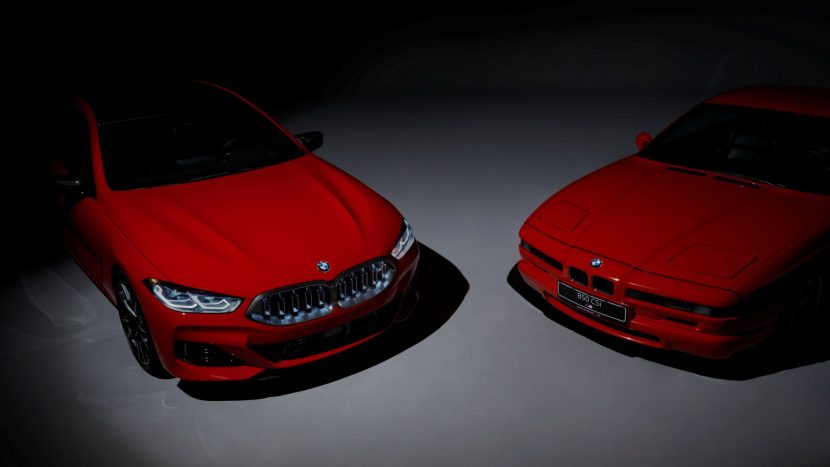


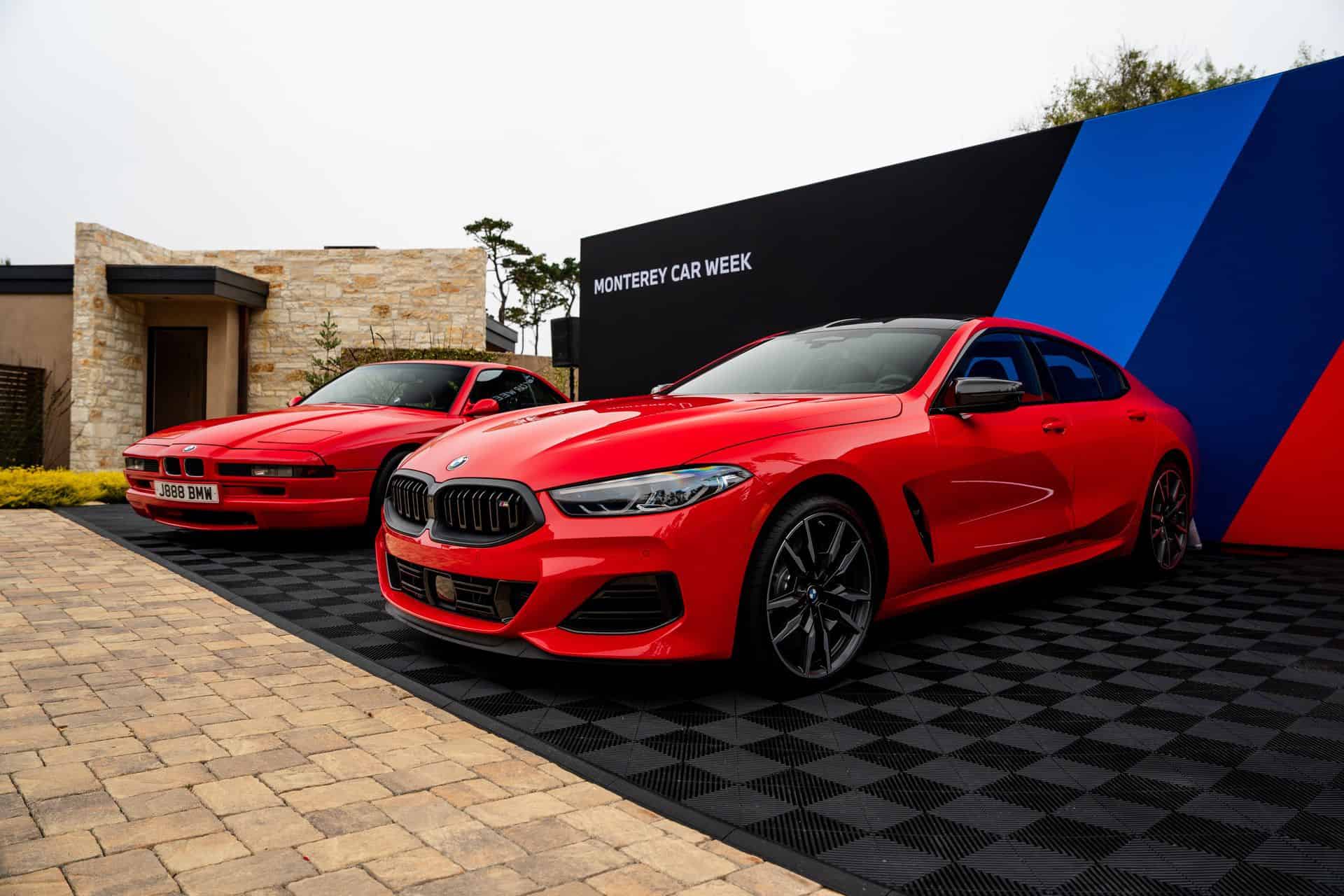
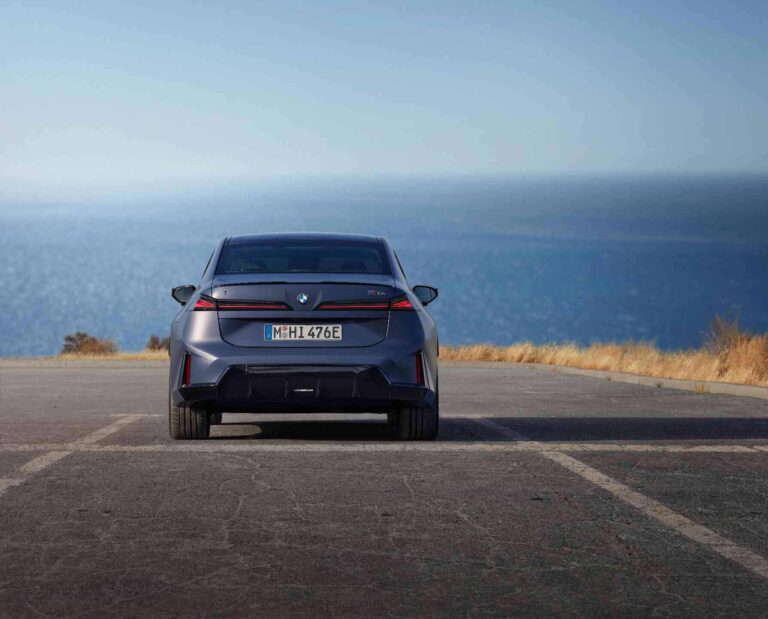
Production of the second-generation BMW 8 Series ended earlier this year with no replacement announced. Now we know part of the reason. A BMW executive told Automotive News that “a straightforward transfer into the Neue Klasse world is not feasible,” confirming what the calendar already suggested: the G15 platform is simply too old to carry forward.
The 8 Series Coupe debuted in 2018. Its bones, BMW’s CLAR architecture, are approaching a decade in service. The electronics, the packaging, the underlying engineering philosophy all belong to a different era of the company.
Neue Klasse isn’t a facelift program. It’s a clean-sheet rethinking of how BMWs are built, wired, and sold. Shoehorning a legacy grand tourer into that framework would demand heavy investment for a car that never moved the sales needle the way an X5 or 3 Series does.
So the 8 Series is dead. Again. BMW killed the original E31 in 1999 and let the nameplate sit dormant for nearly two decades before reviving it. History is repeating, but this time the exit strategy looks more interesting.
Automotive News also reported that an 8 Series successor developed through BMW ALPINA was “dismissed internally.” On paper, that closes the door. In practice, BMW has left a window cracked wide open.
The Vision BMW ALPINA concept, unveiled earlier this year, stretches 5.2 meters long, carries a V8 under its hood, seats four adults beneath a swept coupe roofline, and looks for all the world like a spiritual successor to the 8 Series Gran Coupe. BMW insists it’s a one-off design study. BMW also says it “suggests the future direction” of the ALPINA brand. Both things cannot be entirely true at the same time.
The first production ALPINA under BMW’s direct ownership will be a 7 Series derivative arriving next year. That car establishes the brand’s new identity at the top of the lineup. A second model positioned below it, something resembling a grand tourer rather than a limousine, would give ALPINA a reason to exist beyond being a trim level on Munich’s biggest sedan.
There’s historical precedent. ALPINA built B6 models on both the E63 and F12 6 Series platforms, each pairing V8 muscle with a ride quality that made the M6 feel like a track weapon by comparison. A revived B6 would let BMW keep the grand-touring formula alive without the 8 Series badge and without the expectation that it needs to generate mainstream volume.
ALPINA buyers expect exclusivity. Low production numbers aren’t a problem when they’re the point.
BMW has repeatedly denied plans to bring back the 6 Series nameplate. But BMW also denied the 8 Series was coming back right up until it wasn’t. The company’s public planning horizon and its actual product pipeline have a long history of creative disagreement.
What sits in front of us now is a familiar BMW pattern. Kill the halo car, let the enthusiast press write the obituary, then quietly develop something adjacent that serves the same purpose under a different name at a different price point. The 8 Series may be finished, but a long, low, V8-powered four-seat ALPINA coupe that costs more and sells in smaller numbers would accomplish exactly what the 8 Series was supposed to do in the first place: prove that BMW still knows how to build a car you want rather than one you merely need.
Whether that car actually reaches production likely hinges on how well the first ALPINA 7 Series derivative sells. The grand tourer isn’t dead at BMW. It’s just waiting for a new business case.
Share this Story