
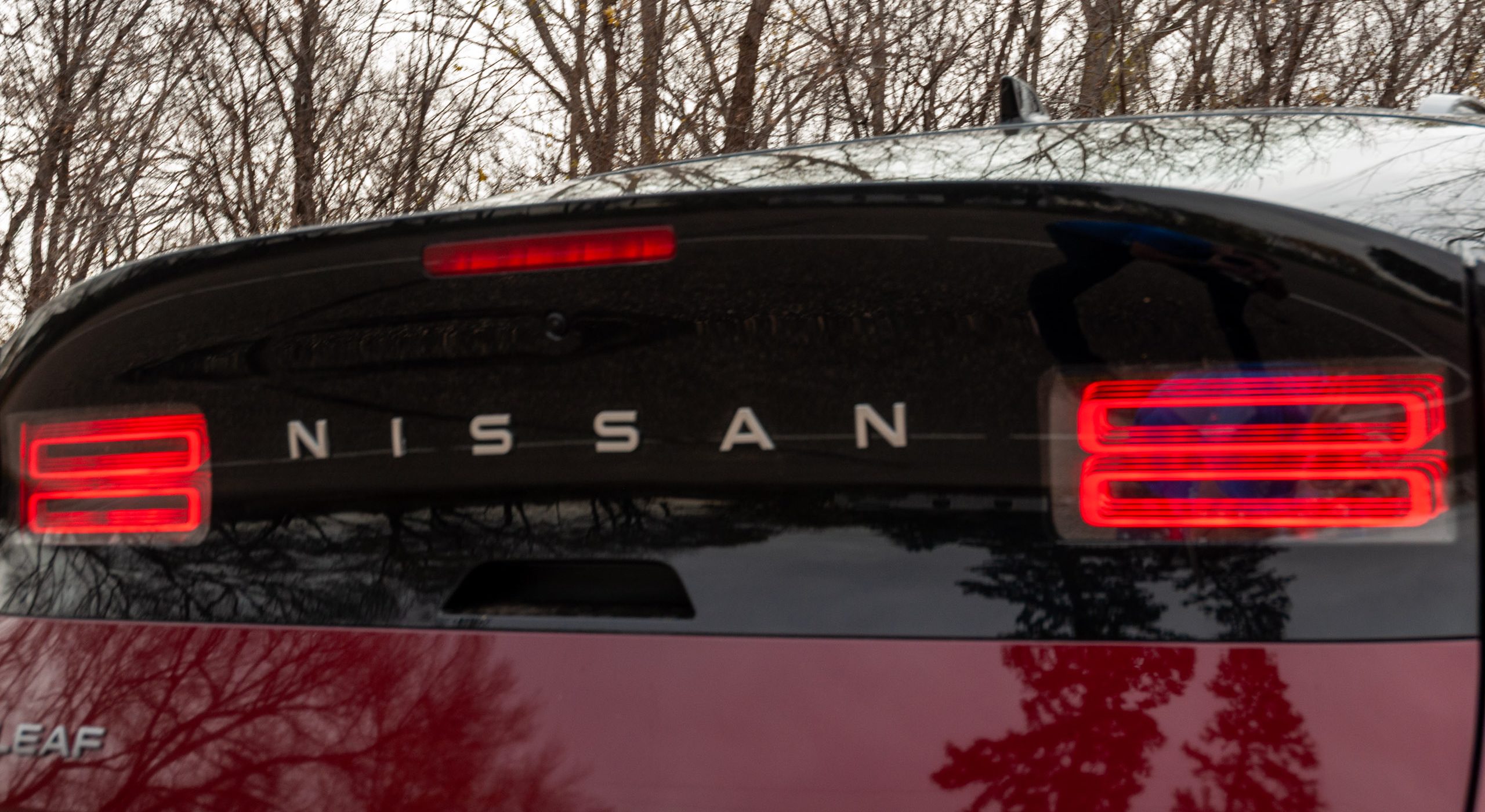


Ivan Espinosa has been running Nissan for only a few months, and he’s already saying the quiet part out loud. Asked by the Financial Times whether the company could one day be sold, the new CEO didn’t flinch: “Anything can happen in this crazy world.”
That’s not a denial. It’s not a confirmation either. But from the top executive of a company that just a year ago walked away from merger talks with Honda because it felt like a hostile takeover, it’s a seismic shift in tone.
Nissan is staring at a projected $4.2 billion net loss for the fiscal year ending March 31. That comes on top of a $4.5 billion loss the year before. Nearly $9 billion in red ink across two years would rattle any boardroom, and Espinosa isn’t pretending otherwise.
“It’s becoming increasingly difficult for companies of our size to remain relevant in this environment,” he told the FT. “You need to remain open and flexible.”
The restructuring underway is brutal by any measure. Seven factories shuttering. Two design studios closing. Twenty thousand jobs disappearing. This isn’t trimming fat — it’s emergency surgery on a patient that’s been bleeding for years under former CEO Makoto Uchida’s watch.
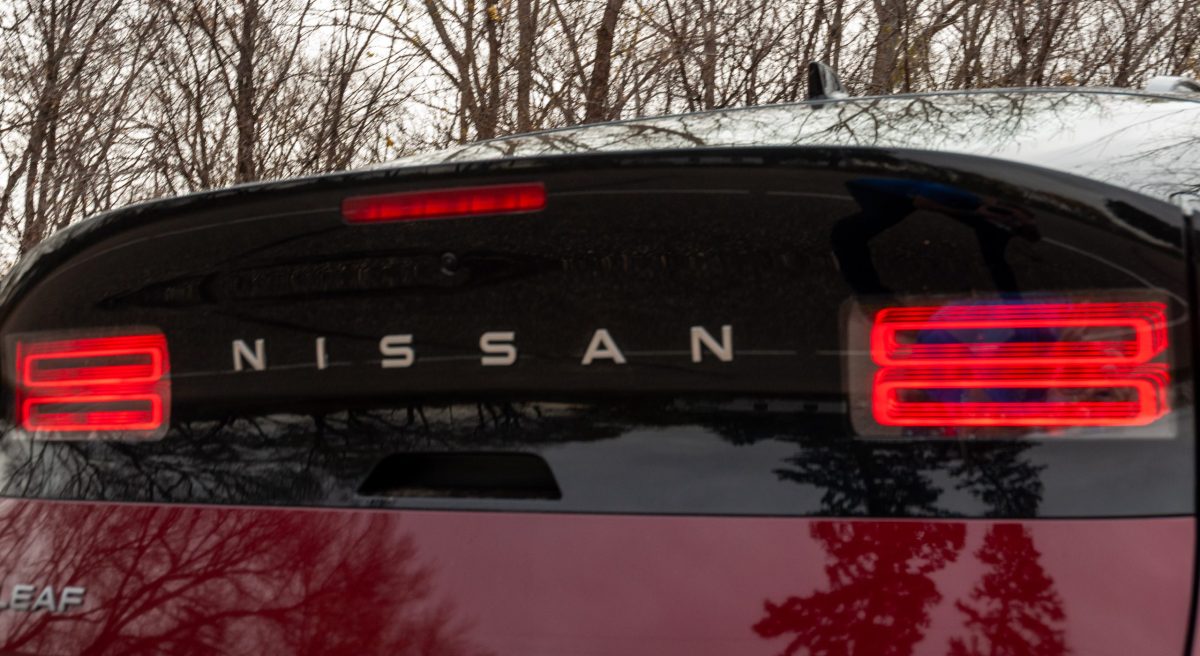
Espinosa, who replaced Uchida after the board lost patience, has described his mornings as frightening. “There are so many things happening every morning that it’s scary,” he admitted. That kind of candor from a Japanese automaker’s CEO is almost unheard of. It tells you how far past the point of corporate pleasantries Nissan has traveled.
The Honda merger collapse remains instructive. Those talks fell apart when Honda reportedly wanted to appoint most of the board and the CEO of any combined entity. Nissan balked, viewing it less as a partnership and more as an absorption. Now, with the financial picture even grimmer, the calculus has changed. Espinosa’s willingness to entertain the question of a sale — even hypothetically — suggests the pride that torpedoed the Honda deal may have a price tag after all.
Meanwhile, Renault, Nissan’s longest-standing strategic partner, has been quietly stepping back. The French automaker still holds about 35.7 percent of Nissan, but the structure is complicated — roughly half sits in a French trust. And rather than doubling down on Nissan, Renault recently cut a deal with Ford to co-develop two electric vehicles for the European market. That’s not the behavior of a partner planning a rescue.
Nissan’s recovery plan, branded Re:Nissan, bets heavily on speed. The company wants to compress new-model development to 37 months, with follow-up variants done in 30. A wave of fresh product is planned: new Micra, Leaf, Versa, Sentra, Elgrand, Navara, and the return of the Xterra.
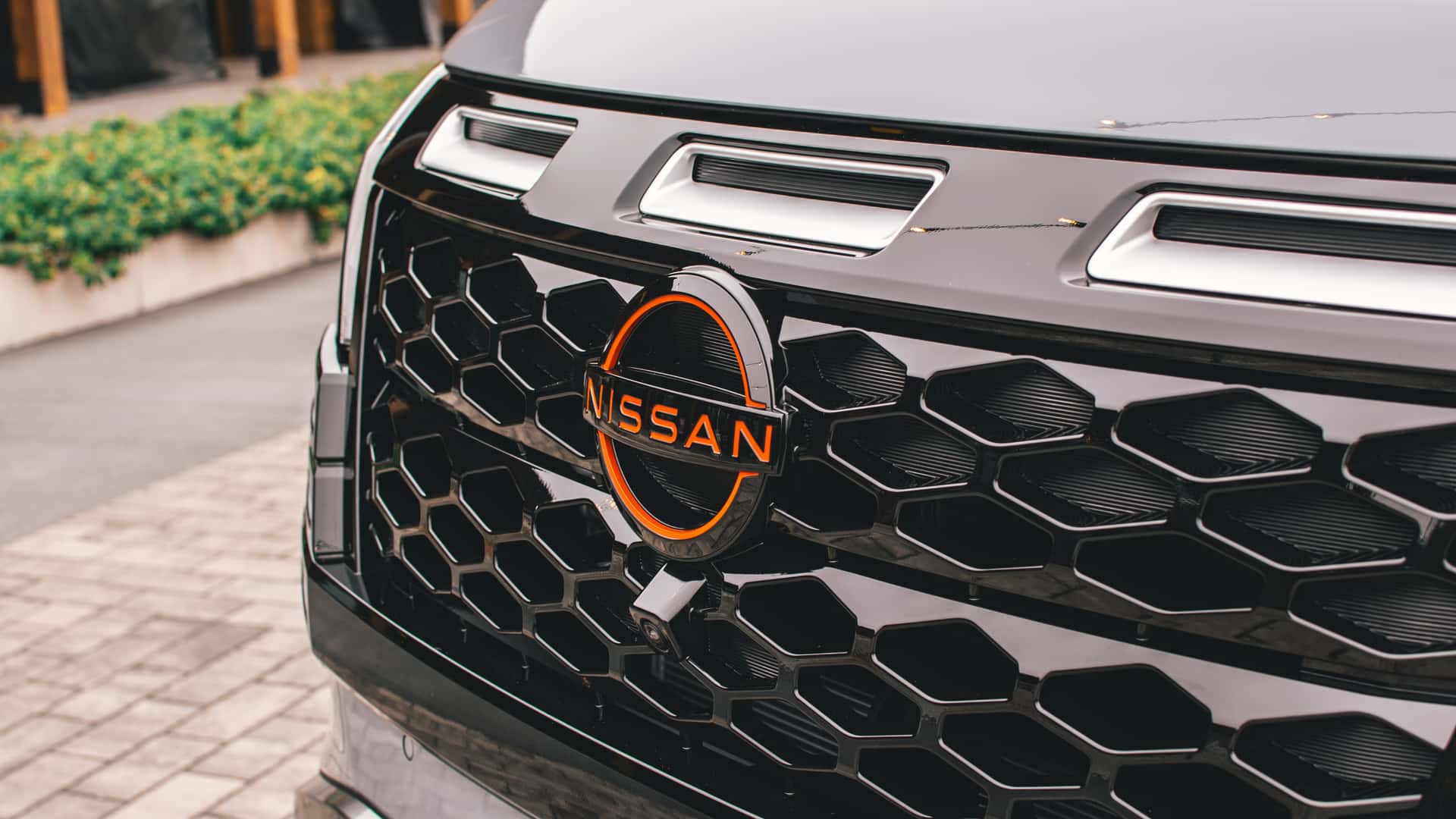
In China, Dongfeng Nissan has already launched plug-in hybrid and electric sedans plus a hybrid truck. Product fixes matter, but they take years to show up in the bottom line. Nissan doesn’t have years of goodwill left with investors.
The company that once boldly bet on EVs before anyone else, that built the GT-R into a legend, that sold Datsuns on every continent — that company is now openly acknowledging it may not survive independently.
Espinosa hasn’t put a “for sale” sign on the building. But he’s made it clear the locks have been changed and the right offer would get someone through the door. In an industry consolidating at breakneck speed, that admission alone changes the game.
Every major automaker with cash and ambition just got put on notice: Nissan might be available. The question isn’t whether suitors will circle. It’s whether any of them see enough left to save.

Share this Story